
7 Advantages of CNC Machines in Die Mold Production
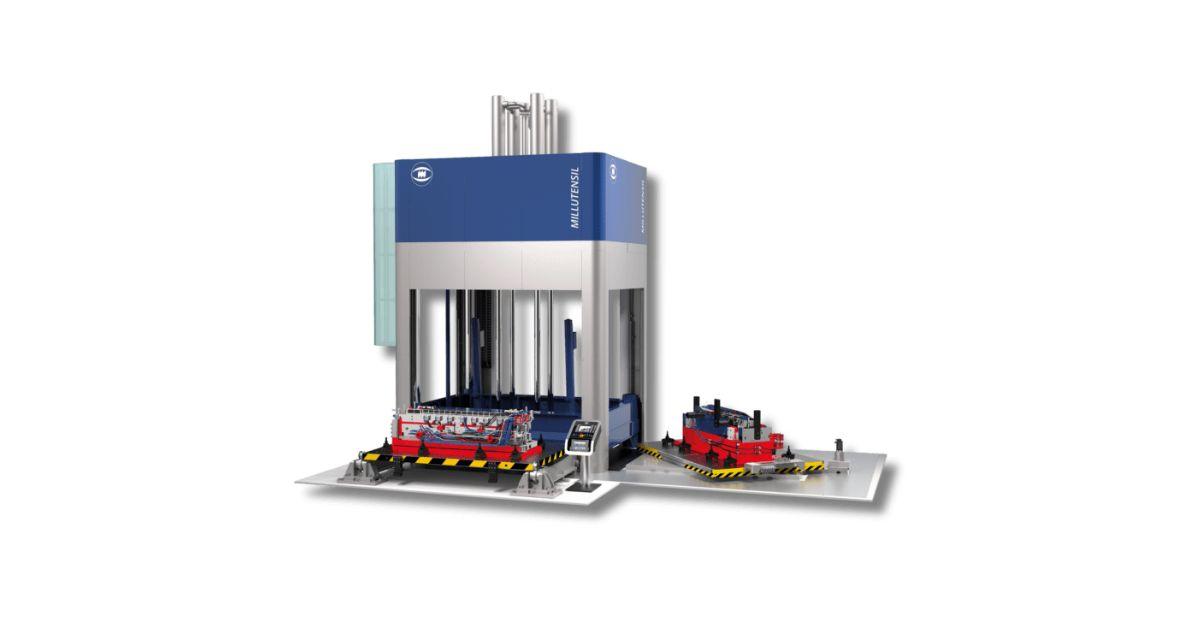
Die mold production demands extreme precision, consistency, and repeatability. Manufacturers in the automotive, aerospace, and medical device industries depend on advanced machining solutions to meet tight tolerances and high production standards. That’s why understanding the advantages of CNC machines in die mold production matters for any shop that wants to stay competitive.
A modern CNC machine for mold making helps manufacturers streamline complex processes, reduce human error, and maintain consistent quality across every part. In high-mix, low-volume environments as well as large-scale production, CNC systems provide the flexibility needed to adapt without sacrificing precision. In this article, we break down the key benefits of CNC machining in mold production and explain why the right equipment delivers measurable results.
Why CNC Technology Is Critical for Mold Making
Die molds require intricate geometries, tight tolerances, and high-performance materials. Traditional machining methods struggle to deliver consistent results under these conditions, especially when multiple setups are necessary.
CNC machining addresses these challenges by combining automation with precise control. Programmable operations and multi-axis capabilities allow manufacturers to produce molds with greater accuracy and efficiency while minimizing repositioning errors.
This approach strengthens reliability, scalability, and long-term performance across a wide range of applications.
1. Exceptional Precision and Accuracy
Precision drives successful die mold production. Even small deviations can create defects, trigger rework, or delay production.
CNC machines follow programmed instructions with micron-level accuracy. This ensures every mold cavity and feature matches the intended design, even across complex geometries and hardened materials.
Key precision benefits include:
- Tight tolerance control across complex geometries
- Repeatable results for high-volume production
- Reduced variability compared to manual machining
Manufacturers gain better part quality, reduce costly errors, and maintain tighter process control.
2. Improved Surface Finish Quality
Surface finish directly impacts mold performance. Rough finishes can affect part release, increase wear, and require additional polishing.
A CNC machine for mold making produces smooth finishes during machining. Advanced toolpaths, high-speed spindles, and optimized cutting strategies reduce tool marks and eliminate unnecessary finishing steps.
3. Increased Production Efficiency
Production speed plays a critical role in mold manufacturing. Faster cycles help businesses meet deadlines and increase output without compromising quality.
CNC machines automate repetitive processes and reduce manual input. Once operators program the machine, it runs continuously with minimal supervision, allowing teams to allocate labor more efficiently.
This efficiency shows up in several ways:
- Faster cycle times for complex mold components
- Reduced setup and changeover time
- Ability to run during off-hours or unattended shifts
Manufacturers increase throughput while maintaining high standards and consistent output.
4.Capability To Handle Complex Geometries
Modern mold designs include features that manual machining cannot easily produce. Multi-axis CNC machines make these designs practical and repeatable.
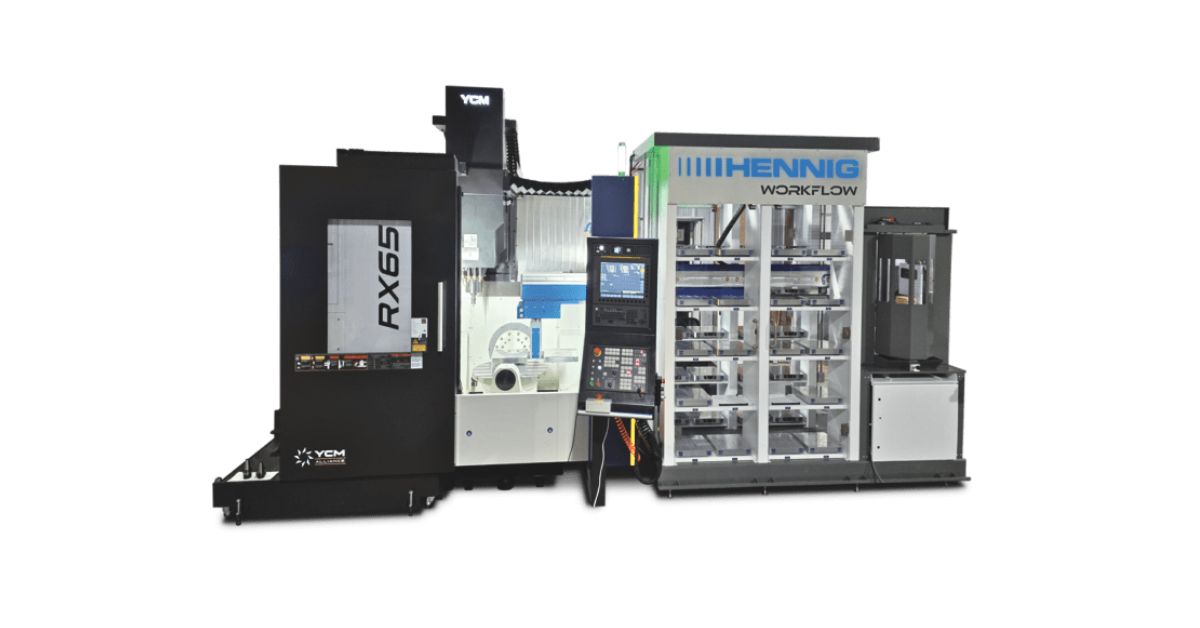
With 3-axis, 4-axis, and 5-axis configurations, manufacturers machine complex contours, deep cavities, and detailed features in fewer setups. This capability becomes especially valuable for molds with undercuts or intricate parting lines.
Fewer setups help maintain alignment, reduce cumulative error, and improve overall machining accuracy.
5. Consistency Across High-Volume Production
High-volume mold production demands consistent results. Each mold must perform the same way to ensure uniform part output and avoid downstream issues.
CNC machining delivers repeatability. Once programmers optimize a program, operators can use it repeatedly to achieve identical results across production runs.
This consistency delivers:
- Uniform mold quality across production runs
- Reduced inspection and correction time
- Greater confidence in large-scale manufacturing
Manufacturers improve reliability, stabilize production processes, and strengthen customer trust.
6. Reduced Human Error and Labor Dependency
Manual machining depends heavily on operator skill and endurance. Variability often increases as fatigue sets in or when processes rely on multiple operators.
CNC systems reduce this risk by executing programmed instructions instead of relying on manual control. Operators focus on programming, setup, and oversight, which improves overall process control.
This shift reduces errors and allows teams to concentrate on process improvements, quality assurance, and continuous optimization.
7. Long-Term Cost Savings and ROI
CNC machines require an upfront investment, but they deliver strong long-term value. Reduced scrap, improved efficiency, and lower labor costs all contribute to higher returns over time.
High-quality machines operate reliably under demanding conditions, which reduces downtime and extends service life. Predictable performance also helps manufacturers plan maintenance more effectively.
Manufacturers that evaluate total lifecycle value—not just initial cost—make more strategic investment decisions and achieve better long-term profitability.
How CNC Machines Support Modern Manufacturing Demands
Manufacturers face increasing pressure to deliver faster, more precise, and more customized products. CNC technology meets these demands while maintaining consistency.
Digital programming allows teams to move quickly from design to production. Engineers can adjust programs efficiently to accommodate design changes or customer revisions without restarting the process.
Integration with CAD/CAM systems streamlines workflows, improves communication between design and production teams, and reduces costly errors.
Choosing the Right CNC Machine for Mold Making
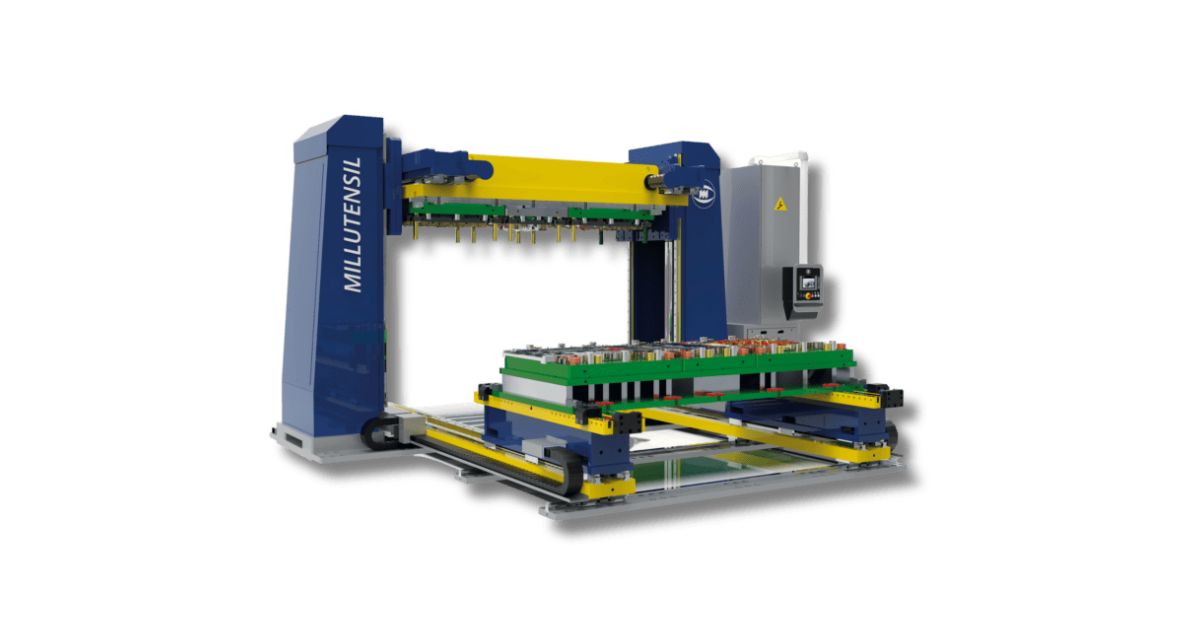
Different production needs require different machine capabilities. Manufacturers must align equipment choices with their specific applications, materials, and output requirements.
When selecting a CNC machine for mold making, focus on:
- Machine rigidity and structural stability
- Spindle speed and power for material compatibility
- Multi-axis capabilities for complex geometries
The right machine supports current production goals while positioning your operation for future growth and increased complexity.
The Role of Reliability in Mold Production
Downtime disrupts production schedules and increases costs. Reliable equipment helps manufacturers avoid these issues and maintain consistent output.
High-quality CNC machines use durable components, advanced engineering, and proven designs. These features ensure consistent performance, even in demanding production environments.
Manufacturers that invest in reliability maintain steady operations, reduce unexpected interruptions, and meet delivery commitments with confidence.
Ready To Improve Your Mold Production Capabilities?
Manufacturers who understand the advantages of CNC machines in die mold production make stronger decisions about their machining strategies. CNC technology delivers precision, efficiency, consistency, and long-term cost savings across a wide range of applications.
As production demands continue to evolve, CNC machining remains essential for maintaining competitiveness. The right equipment helps manufacturers improve productivity, reduce risk, and meet strict quality standards in today’s fast-paced manufacturing environment.
If you want to leverage the advantages of CNC machines in die mold production, partner with experts who understand your production goals.
Explore the YCM Alliance’s CNC machining and mold-making solutions to find high-performance equipment built for precision, reliability, and long-term value.