
Sinker EDM vs. Wire Cut EDM: What’s the Difference?
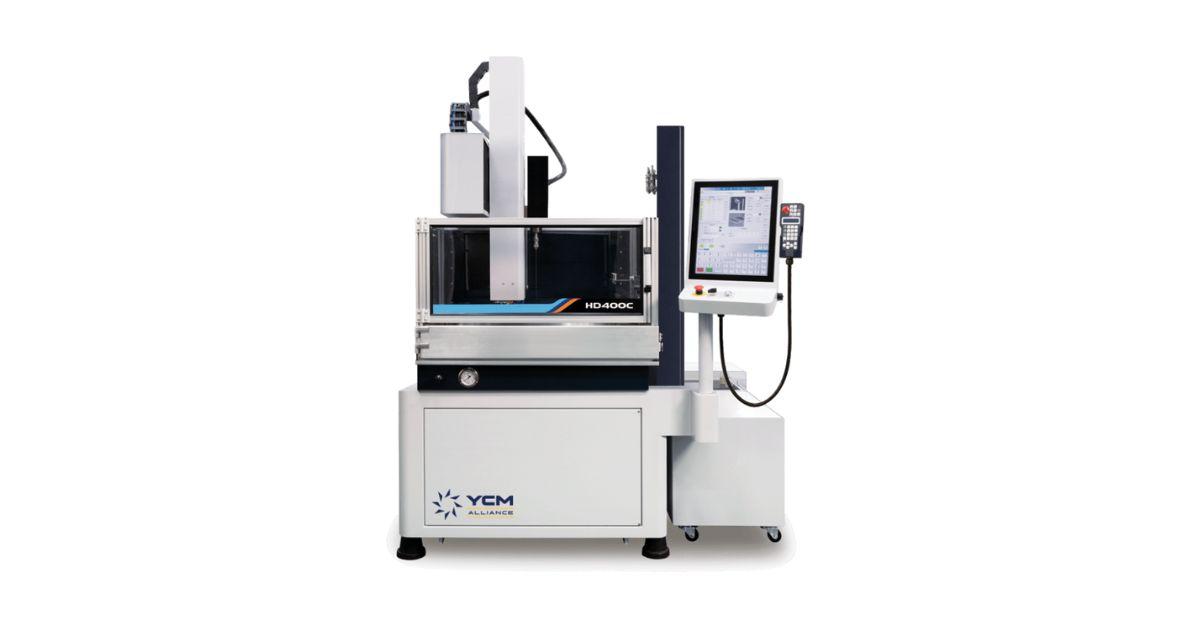
Electrical discharge machining, or EDM, shapes conductive materials by eroding metal with controlled sparks rather than cutting with force. This non-contact process excels where traditional tools struggle, especially with hardened alloys, delicate geometries, and tight internal features. Two core EDM methods dominate production floors: sinker EDM and wire cut EDM. Each brings distinct strengths, limitations, and cost profiles.
Manufacturers evaluating their next mold, die, or precision component often ask where the line divides these technologies. The differences between sinker EDM and wire cut EDM often determine feasibility, precision, cycle time, and total cost of ownership. The sections below break down how each process works, where each fits, and which factors should guide your choice.
What Is Sinker EDM?
Process
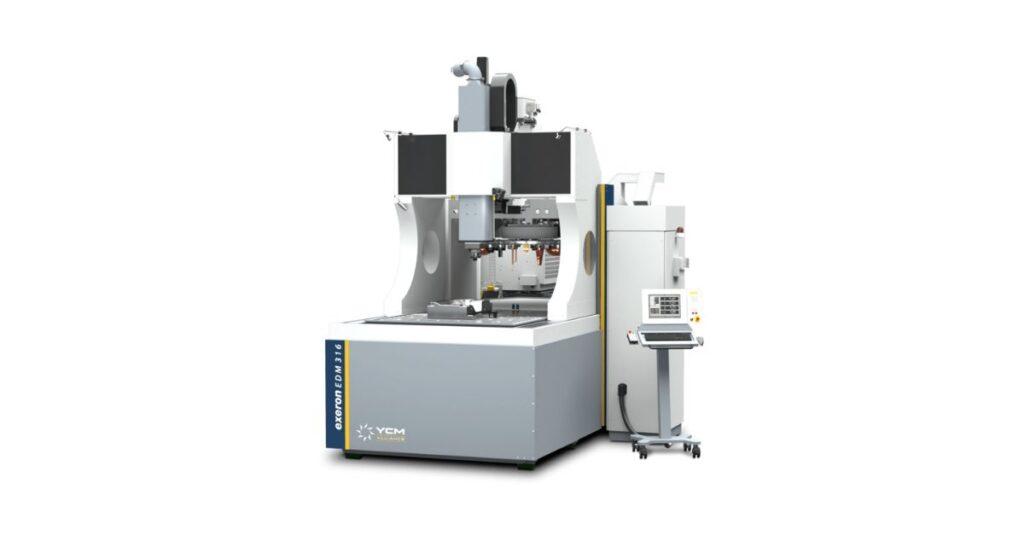
Sinker EDM, sometimes called die-sinking or ram EDM, uses a shaped electrode that mirrors the intended cavity. The electrode, usually graphite or copper, plunges into the workpiece inside a dielectric bath. Controlled spark discharges remove material layer by layer, reproducing the electrode’s shape in the metal. No cutting forces act on the part, which protects delicate features and eliminates tool-induced distortion.
The dielectric fluid flushes debris and stabilizes the discharge. Servo control maintains a precise gap between the electrode and workpiece. Complex 3D cavities, blind pockets, undercuts, and sharp internal corners become practical, even in hardened steels or carbide that would challenge conventional cutting tools.
Materials and Applications
Any conductive material can be machined with sinker EDM. Common choices include hardened tool steels, stainless steels, titanium, Inconel, copper alloys, and cemented carbide. Moldmakers rely on sinker EDM for core and cavity geometry, ribs and bosses, and those tricky deep pockets that demand crisp edges and minimal runout. Aerospace teams use it for cooling channels and precision internal features. Medical manufacturers apply it for complex implant contours where burr-free surfaces and dimensional integrity matter.
Shaped electrode flexibility enables textures, fine radii, and detail that milling alone cannot deliver economically. Teams focused on CNC machining for die and mold industry applications often pair sinker EDM with high-speed milling, using milling for bulk removal and EDM for final geometry and hard-to-reach details.
Advantages and Disadvantages
Sinker EDM thrives on complexity. The ability to create blind cavities, maintain sharp internal features, and deliver fine finishes with minimal residual stress stands out. The process does not induce burrs, and heat-affected zones remain small and controllable. Surface finish improves with optimized parameters and finishing passes.
Electrode production adds cost and lead time. Every geometry requires at least one custom electrode (e.g., roughing and finishing electrodes). Setup and process development consume engineering hours. While accuracy can be excellent, repeatability relies on electrode quality, machine stability, and process control. Compared with wire EDM for profile cutting, sinker EDM may run slower on straight profiles where no cavity is needed.
What Is Wire Cut EDM?
Process
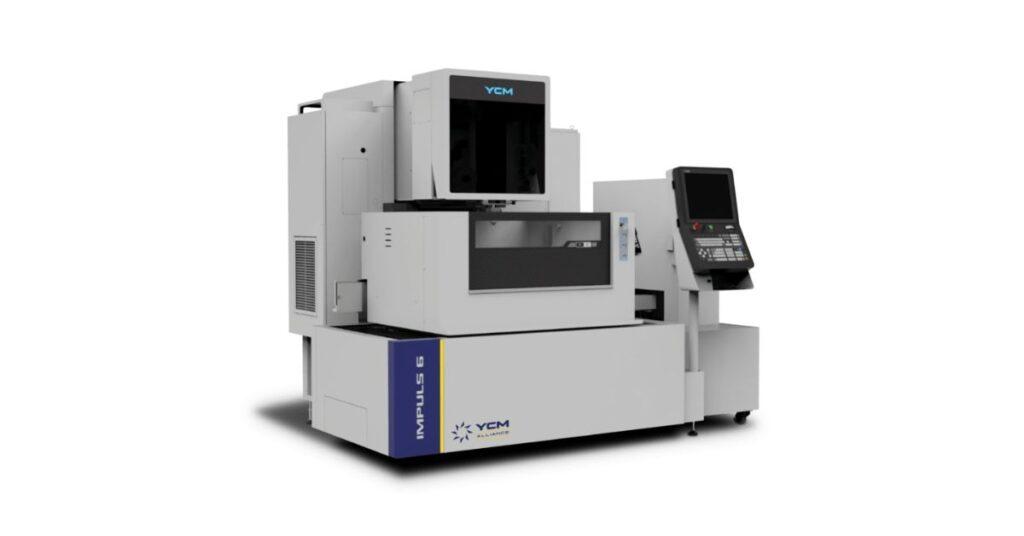
Wire cut EDM uses a continuously fed, tensioned wire as the electrode, typically brass or coated brass. The wire travels through guides, and the machine steers it along programmed toolpaths, slicing completely through the workpiece in deionized water. A start hole or an edge start initiates the cut. Multiple skim passes refine the geometry and surface finish after a primary roughing pass.
Because the wire never contacts the material, mechanical stress stays minimal. Fine kerf width enables intricate profiles and very tight tolerances. Programmable tapers and 4-axis capability allow angled walls and complex stacked shapes with high consistency.
Materials and Applications
Wire EDM works with any conductive material: hard tool steels, tungsten carbide, nickel superalloys, titanium, aluminum, and copper alloys. Punches and dies, extrusion dies, gear forms, medical instruments, EDM probes, and micro-precision parts frequently run on wire. Thin sections and fragile features benefit from the non-contact nature of the process. Multiple nested parts can be cut from a single plate to optimize material yield.
When dimensional accuracy across a profile takes priority, wire EDM delivers. Production environments exploit unattended runs with reliable automatic threading, stable flushing, and predictable process windows.
Advantages and Disadvantages
Wire EDM excels at through-cuts with exceptional accuracy. Tolerances of a few microns are attainable on stable machines with optimized parameters. Surface finish can be tuned with skim passes, and edges emerge burr-free, ready for assembly or finishing operations. Minimal operator intervention during long cuts supports lights-out manufacturing.
The method requires a start hole or edge, which limits pure cavity creation without additional processes. Thick sections and long profiles increase cycle time. While wire cost per cut remains manageable, complex parts requiring many skim passes or premium coatings will impact cost. Parts that require blind features or undercuts may demand sinker EDM or hybrid strategies.
Choosing the Right EDM Method
Matching Process to Project Goals
Project success depends on purpose, geometry, tolerance, finish, and budget. Complex cavities with blind features lean toward sinker EDM. Flat parts with intricate outlines and tight positional tolerances lean toward wire EDM. Parts that require both deep cavities and precise perimeter control benefit from a hybrid, giving each technique an opportunity to act where it performs best.
Material and heat treatment plans influence timing. EDM handles hardened steels without complaint, which opens options for machining after heat treatment. That sequence improves dimensional stability, especially on thin walls and fine details. Process planning that minimizes setups and aligns finishing steps with EDM strengths often saves more time and material.
Surface Finish, Speed, and Total Cost
Surface finish goals shape toolpaths and pass strategies. Sinker EDM can deliver very smooth surfaces with fine settings and finishing electrodes. Wire EDM frequently uses multiple skim passes to refine surface quality and hit microns-level accuracy. Each additional pass adds time, so teams should lock surface requirements early.
Cost comparisons should include electrode design, electrode machining, fixturing, programming, and potential rework. Wire EDM avoids electrode fabrication but may run longer on thick sections. Sinker EDM can run faster inside cavities once electrodes exist, though that initial investment can be significant. Well-integrated systems in shops focused on CNC machining for the die and mold industry often treat EDM as a precision finishing tool that reduces overall lead time.
Precision Without Compromise
Both technologies offer burr-free edges, minimal heat-affected zones, and virtually no cutting forces. That combination protects geometry, improves tool life on downstream steps, and reduces hand finishing. When tolerances tighten and materials harden, EDM’s repeatability and predictability provide a crucial advantage over traditional cutting.
The Practical Takeaway
Selecting between these processes becomes easier once the project’s geometry and priorities are clear. Complex, blind, or deeply contoured cavities typically point toward sinker EDM. Tight, flat profiles with demanding tolerances typically favor wire EDM. Hybrid approaches often outperform either method alone by aligning each with its core strengths.
Make the Right EDM Choice With Confidence
A fast recap helps cement the differences between sinker EDM and wire cut EDM. Sinker EDM uses shaped electrodes to create cavities and blind features with fine detail in hardened materials. Wire EDM uses a moving wire to achieve exceptional profile accuracy on through-cuts, ideal for dies, punches, and precision plates. Cost and schedule hinge on electrode needs, pass strategies, and how the process integrates with upstream milling and downstream finishing.
Project priorities decide the winner: geometry type, tolerance bands, surface finish, and total cost. Confident next steps start with a partner who understands both technologies and how they fit into modern production. Tap into the YCM Alliance for die and mold machining solutions that align process, precision, and schedule, then move from quote to finished parts without guesswork.