
A Beginner’s Guide to How Lathe Machines Work
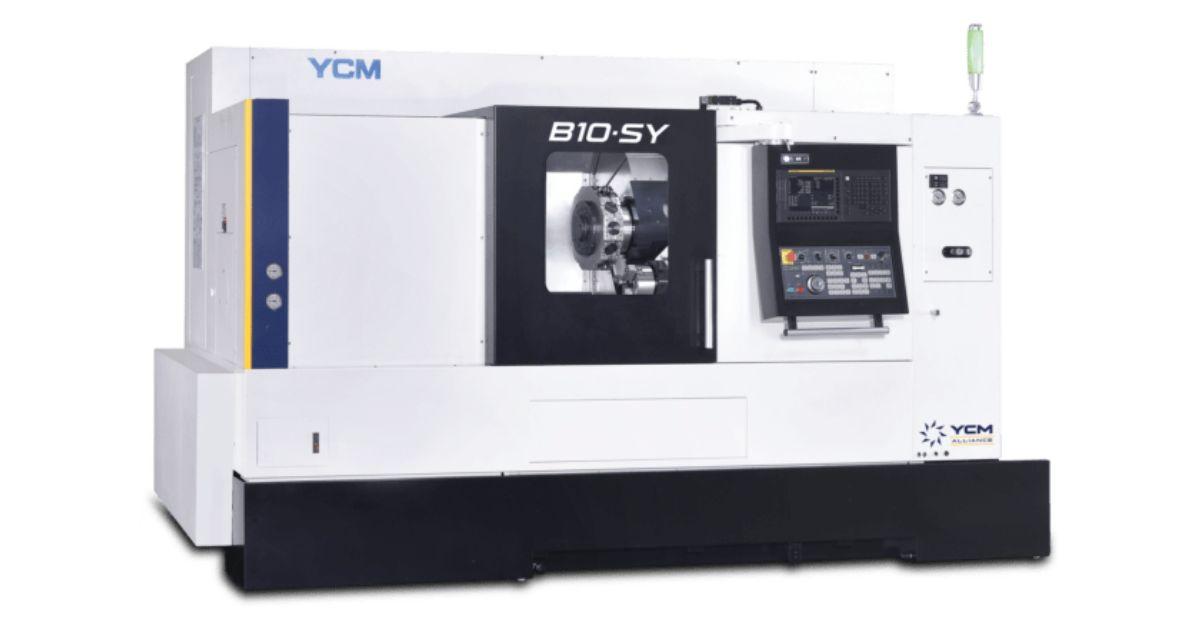
A lathe is a machine tool that rotates a workpiece while a cutting tool removes material to create cylindrical features. Shops primarily rely on lathes for shafts, bushings, threads, and precision surfaces. Modern CNC turning centers—an evolution of the lathe machine—have become the backbone of professional environments due to their speed, consistency, and ability to handle complex parts in one setup.
If you want to understand more about lathe machine and turning center setup, capability, and practical outcomes, we can help. The YCM Alliance believes that reliability, versatility, and innovative control systems translate to better results and fewer headaches for your team. That’s why our turning center designs marry advanced engineering with real-world manufacturing needs.
Let’s take a look at core elements and operations, exploring how lathe machines work and how to choose your next piece of equipment with confidence.
Primary Lathe Components
Machine Bed
A lathe’s accuracy begins with its foundation. The bed, usually a solid one-piece casting and a hallmark of YCM designs, supports the entire assembly and is crucial for vibration control and durability. Machines built from premium cast iron and with carefully engineered, hand-finished contact surfaces deliver unmatched rigidity and long-term stability. These features boost accuracy and reduce maintenance needs for everyday production environments.
Headstock and Spindle
The headstock houses the spindle, a key feature in every turning center. YCM, for example, builds and tests its own high-precision spindles, ensuring smooth rotation across a range of materials and part types. Chucking solutions—including options for both quick change and high accuracy—give shops the flexibility to handle different jobs with increased efficiency. The ability to run bar stock through the spindle can extend productivity with less operator intervention.
Tool Positioning Systems
Tool positioning systems have evolved alongside advances in machine design. Manual lathes use precisely machined slides and compound mechanisms, while CNC lathes employ servo-driven axes for consistent, repeatable movement. This progression ensures more reliable surface finishes and prolonged tool service life while making the machine easier to operate and train on.
Tool Holders
Tool holding and turret systems have a direct impact on machine flexibility and efficiency. CNC turning centers often include high-capacity turrets—sometimes supporting live tooling, C- or Y-axis motion, or sub-spindle configurations—to support complex, multi-tasking work with minimal setups. The focus is on changing tools quickly, handling a wide range of part features, and keeping cycle times down so your business stays competitive.
Controls
Finally, control and automation make operation intuitive and repeatable. From user-friendly CNC controls to probing capabilities and process monitoring, the best manufacturers ensure your team has the tools necessary to deliver precise parts. Strong service and accessible training are integral parts of these solutions, helping customers minimize disruption and maximize return.
How the Tailstock Works
For operations on longer or more slender parts, the tailstock plays a vital role. High-quality tailstocks improve part stability and surface finish by providing reliable support on the workpiece’s free end. Ease of adjustment, accurate alignment to the spindle, and secure clamping will limit deflection and streamline setups. Buyers wanting to maximize flexibility and efficiency should prioritize machines that offer programmable tailstock and provide repeatable accuracy.
Whether your tasks include drilling, reaming, or tapping, a well-designed tailstock extends production versatility without requiring complex setups. Reliable alignment and straightforward operation are common in machines from established brands, making quality outcomes accessible even for teams newer to CNC turning.
Power, Precision, and Safety
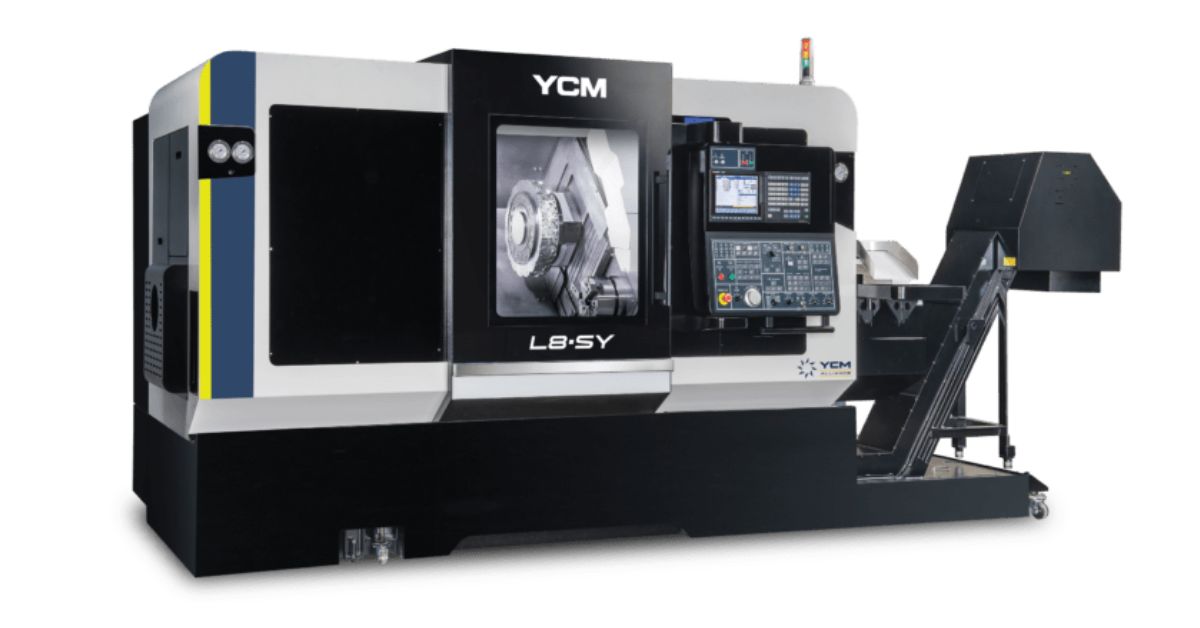
Industry leaders stand out through machine power, rigidity, and enduring precision, made possible by careful engineering. Techniques like advanced finite element analysis are employed to optimize design, ensuring machines hold up under demanding workloads. Safety and reliability are priorities, with features such as robust enclosures and operator-focused controls—allowing for safe, confident operation shift after shift.
How Lathes Work
Though the principle of turning is simple, achieving predictable, high-quality results depends on several factors in machine selection and setup. Advanced CNC lathes simplify workholding, enable quick tool changes, and facilitate productivity-enhancing automation. These features lower downtime and help unlock higher throughput for your business.
Tooling and programming flexibility also play key roles in results. Intuitive tool management, flexible programming options, and clear support materials allow buyers to get up and running quicker, reduce human error, and maintain consistent levels of quality.
For shops handling a broad mix or more complex components, features like live tooling, multi-axis motion, or sub-spindle options create opportunities to complete more work in fewer setups. These not only expand what your shop can tackle in-house but can also reduce lead time and cost by minimizing secondary operations.
Automated process monitoring and data tracking make it easier to maintain your standards and demonstrate compliance to customers. These controls help new buyers feel secure that their investments will translate to sustainable, long-term productivity gains.
Benefits of Using Lathe Machines
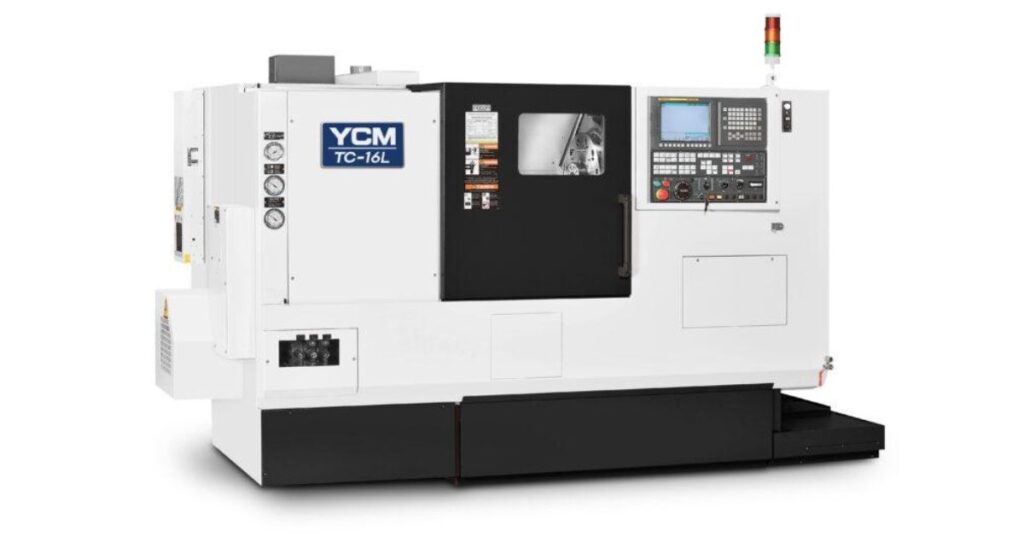
Moving to a modern CNC lathe can transform your production—delivering the accuracy and repeatability needed for demanding work while streamlining day-to-day shop management. This decision is about more than tight tolerances and smooth finishes—instead, the goal is lasting performance. That stems from careful material selection, experienced assembly, and a commitment to ongoing support.
Modern automation options, robust turret designs, and intuitive controls make it possible to combine high output with high quality, so you don’t have to compromise as your production grows. Access to reputable sales and service partners also means you’ll have experienced support on-hand, minimizing downtime and making the transition smoother for your team.
Versatility is another significant advantage. The right lathe lets you handle everything from prototypes and custom parts to long production runs—adapting to new materials and requirements as your business evolves.
Finally, safety, ease-of-use, and operational reliability are core in today’s top machines. Comprehensive enclosures, logical controls, and established design practices reinforce a stable, teachable process—important for growing teams as well as experienced operators.
Refine your Manufacturing Process
Choosing the right platform starts with clarity on part families, tolerances, and capacity needs—but your decision should also weigh the builder’s experience and the value of their client resources. This guide outlined components, setup, and operations so your team can see how lathe machines work in real production and understand how industry-leading design and support can make a difference at every stage.
Projects grow faster when equipment aligns with feature requirements, throughput goals, and the level of service your team requires. CNC lathes with robust engineering, innovative controls, and a tradition of customer partnership will lift consistency, shorten lead times, and grow with you as your needs evolve. When you’re ready to evaluate, look for proven rigidity, thermal stability, and support that stands behind the product. Talk with the YCM Alliance team about CNC turning centers that match your parts, volumes, and budgets—and move confidently into your next production milestone.