
CNC Grinding vs. EDM: Which Method Fits Your Part?
Manufacturers often face a critical decision when it comes to producing high-precision components: selecting the right finishing process. In many cases, the choice comes down to CNC grinding or electrical discharge machining (EDM). Each method offers distinct advantages depending on part geometry, material properties, and tolerance requirements.
Understanding whether CNC grinding or EDM is better suited to your part can directly impact surface finish quality, production efficiency, and long-term cost per component. This guide breaks down both technologies in practical terms, helping you align your process with performance goals.
What Is CNC Grinding and Where Does It Excel?
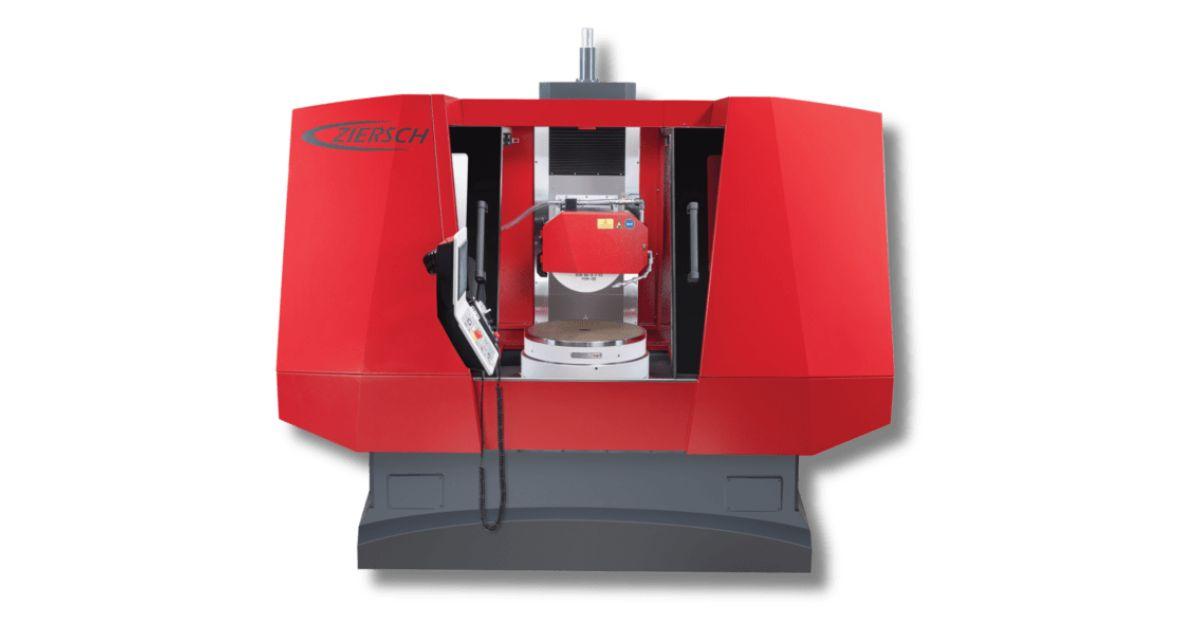
CNC grinding uses abrasive wheels to remove material with extreme precision. Unlike cutting tools, grinding wheels operate at high speeds and remove very small amounts of material, allowing for tight tolerances and superior surface finishes.
CNC grinders are widely used across aerospace, automotive, medical, and energy industries because they deliver consistent accuracy and repeatability. These machines handle both simple and complex geometries while maintaining dimensional stability across production runs.
CNC grinding performs best in applications that demand:
- High surface finish quality
- Tight dimensional tolerances
- Controlled geometry such as flatness, roundness, or concentricity
Modern CNC grinders combine rigid machine construction with advanced controls to ensure minimal vibration and thermal distortion. This stability allows manufacturers to achieve micron-level precision while maintaining production efficiency.
Types of CNC Grinding Machines and Their Applications
Different grinding configurations serve different part requirements. Selecting the right type of CNC grinder ensures optimal performance and efficiency.
Common machine types include:
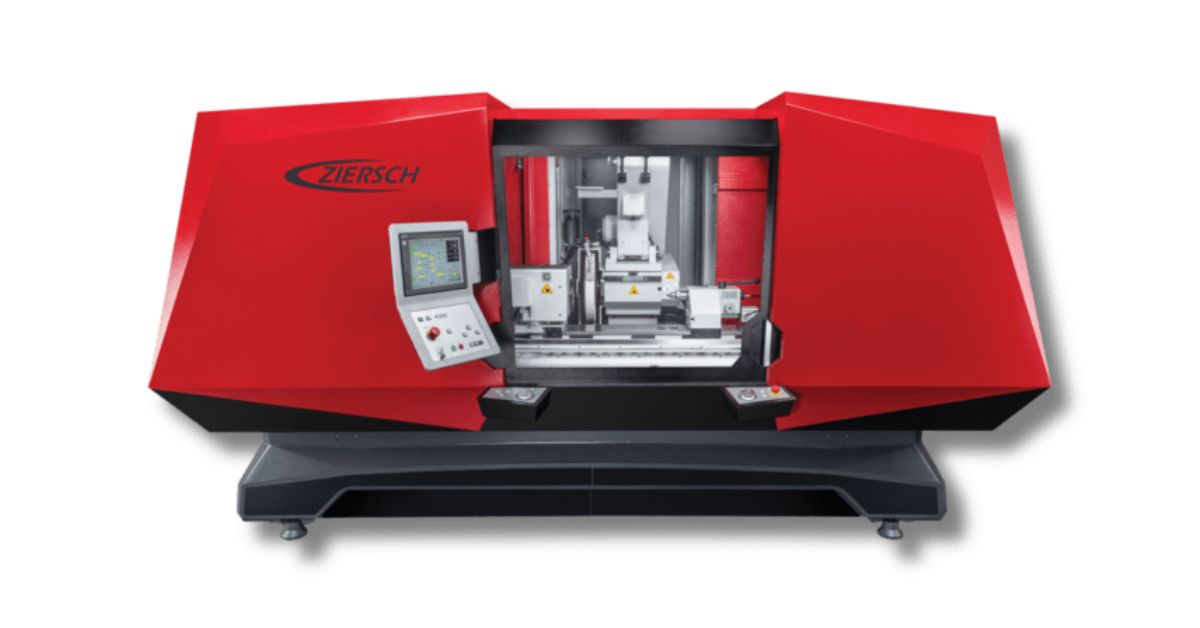
- Cylindrical grinders for shafts, pins, and round components
- Surface grinders for flat parts, dies, and plates
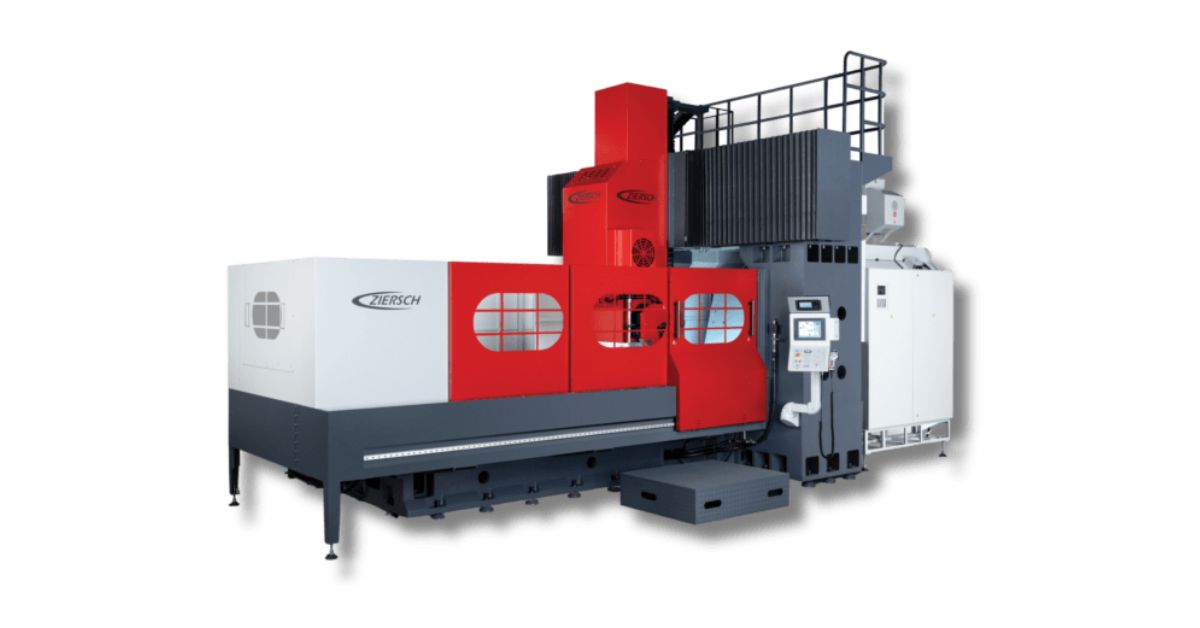
- Rotary table grinders for large or heavy flat components
Each configuration supports specific tolerances and surface finish goals. For example, cylindrical grinders excel at achieving roundness and diameter control, while surface grinders create accurate flat reference planes.
The YCM Alliance designs CNC grinding machines with rigidity, durability, and advanced control systems. These features help manufacturers maintain accuracy across long production cycles while reducing downtime.
What Is EDM and How Does It Work?
Electrical discharge machining (EDM) removes material using controlled electrical sparks instead of mechanical force. This non-contact process erodes conductive materials with extreme precision, making it ideal for difficult-to-machine alloys and intricate geometries.
EDM operates in two primary forms:
- Sinker EDM, which uses a shaped electrode to create cavities
- Wire EDM, which uses a thin wire to cut through material
Because EDM does not apply cutting forces, it eliminates mechanical stress on the workpiece. This characteristic makes it particularly effective for delicate parts, hardened materials, and complex internal features.
Where EDM Outperforms Traditional Machining
EDM stands out in scenarios where traditional cutting or grinding methods struggle. Its ability to machine hardened materials and intricate shapes opens new possibilities for part design.
EDM delivers the most value in situations such as:
- Complex cavities or internal geometries
- Extremely hard or heat-treated materials
- Thin walls or delicate features prone to distortion
Wire EDM, in particular, excels at producing precise profiles with tight tolerances. Sinker EDM, on the other hand, enables the creation of blind cavities and detailed internal features that grinding cannot achieve.
Key Differences Between CNC Grinding and EDM
While both processes deliver precision, they differ significantly in how they remove material and the types of parts they support.
Material Removal Method
CNC grinding uses abrasive contact to remove material, while EDM relies on electrical erosion. This difference affects both speed and application range.
Grinding typically offers faster material removal for external surfaces. EDM provides better access to internal features and complex geometries.
Surface Finish and Accuracy
Both methods can achieve excellent finishes, but their strengths vary.
- Grinding produces highly uniform surface finishes on external features
- EDM achieves fine detail and sharp internal corners
Grinding often delivers better consistency on large surface areas, while EDM excels in intricate detail work.
Geometry Capabilities
Geometry often determines the best process.
- CNC grinding handles external shapes, flat surfaces, and round components
- EDM handles internal cavities, undercuts, and complex profiles
Parts that combine both requirements may benefit from a hybrid approach.
When CNC Grinding Is the Better Choice
CNC grinding remains the preferred solution for many high-precision applications, especially when surface quality and dimensional control take priority.
Grinding is ideal when your part requires:
- Tight tolerances on external surfaces
- High-quality finishes for sealing or bearing applications
- Consistent geometry across high-volume production
CNC grinders also provide better efficiency for parts with repeatable shapes. Once set up, they deliver predictable cycle times and lower cost per part.
YCM Alliance CNC grinding machines support these outcomes with advanced automation, in-process gauging, and durable machine construction. These features help maintain consistent performance over time.
When EDM Is the Right Solution
EDM becomes the preferred method when part complexity exceeds the capabilities of grinding or traditional machining.
You should consider EDM if your part involves:
- Intricate internal cavities or blind features
- Hardened materials that resist conventional cutting
- Complex geometries requiring sharp internal corners
EDM also reduces the risk of distortion because it does not apply mechanical force. This advantage makes it valuable for thin or delicate components.
However, EDM often requires longer cycle times and higher setup costs, especially when electrodes are needed for sinker EDM.
Cost, Efficiency, and Production Considerations
Choosing between CNC grinding and EDM involves more than technical capability. Production efficiency and cost per part play a major role in decision-making.
Several factors influence the overall cost, including:
- Setup complexity and programming time
- Cycle time per part
- Tooling or electrode requirements
- Maintenance and machine uptime
CNC grinding often delivers lower costs in high-volume production due to faster cycle times and minimal tooling requirements. EDM may carry higher upfront costs but provides unmatched flexibility for complex parts.
A balanced evaluation should consider both immediate production needs and long-term scalability.
Making the Right Decision for Your Business
Selecting the right process starts with a clear understanding of your part requirements. Geometry, material, tolerance, and production volume all play a role.
Ask these key questions before deciding:
- Does the part require complex internal features?
- Are tight tolerances needed on external surfaces?
- What is the required surface finish quality?
- How important are cycle time and production cost?
Answering these questions helps your manufacturing team narrow down the best approach and prevents costly process mismatches.
How CNC Grinders Support Long-Term Production Success
Investing in the right equipment ensures consistent performance over time. High-quality CNC grinders provide reliability, durability, and precision across a wide range of applications.
YCM Alliance CNC grinding solutions focus on:
- Exceptional surface finish and accuracy
- Rigid machine construction for stability
- Advanced controls for repeatability
- Minimal downtime and long service life
These machines support both prototype development and high-volume production, helping manufacturers maintain quality while scaling their operations.
Choosing the Right Path for Precision Manufacturing
The decision ultimately comes down to application fit. CNC grinding delivers unmatched performance for external surfaces and high-volume precision work. EDM provides flexibility for complex geometries and hardened materials.
Understanding whether CNC grinding or EDM is better suited to your part allows you to align your process with performance goals, cost targets, and production timelines.
For manufacturers seeking dependable, high-performance solutions, the YCM Alliance offers advanced CNC grinders and machining systems designed for precision, reliability, and long-term success. Connect with our team to explore grinding centers and machine solutions that match your production needs and help you achieve consistent, high-quality results.