
How To Choose the Right Type of CNC Grinding Machine
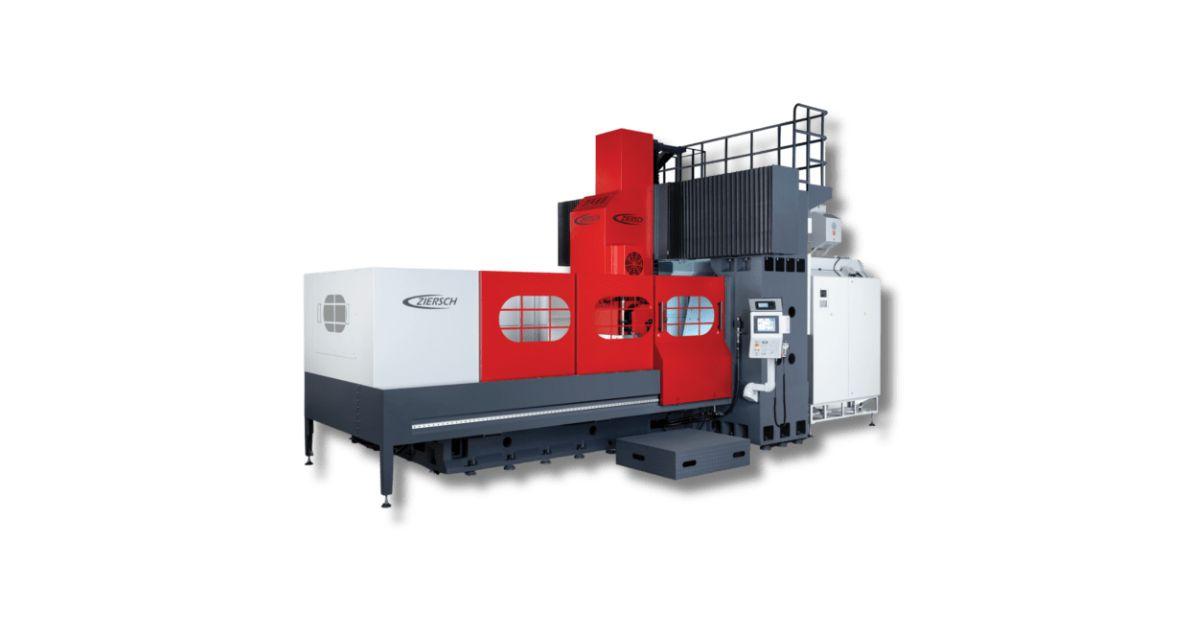
Shops evaluating CNC grinding machines often juggle mixed part families and evolving materials. A structured approach to purchasing prevents the need for compromise. Here, we’ll outline key machine types, map them to applications, and highlight specifications that protect production accuracy while driving efficiency.
If your goal is to achieve the specified geometry and finish with dependable uptime at the lowest cost per part, having the right CNC solution is critical. Our insights below will help you choose a CNC grinding machine with confidence.
A Grinder for Every Need: Exploring CNC Grinding Machine Types
Cylindrical Grinding Machines
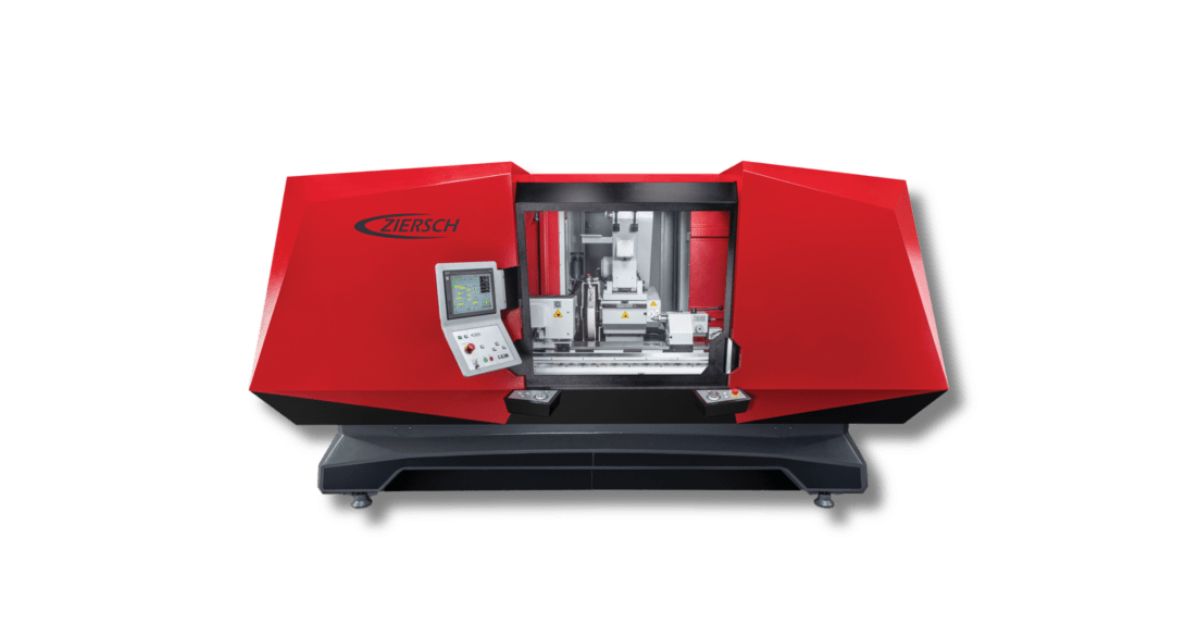
Cylindrical grinders deliver roundness, concentricity, and diameter control on shafts, spindles, pins, and sleeves. Workholding may involve centers, chucks, or collets, with support from a tailstock on longer parts. OD, ID, and universal configurations cover external diameters, bores, and complex shoulders in one setup. Typical high-end systems hold 0.0001 in tolerances with roundness in the low microns when paired with correct wheels and dressing strategies.
Process flexibility defines this category. Plunge, traverse, and multi-diameter sequences handle families of parts without excessive changeover. Swiveling wheelheads enable tapers, while in-process gauging stabilizes size under thermal drift. CBN wheels excel on hardened steels, while aluminum oxide supports general-purpose grinding. Control features such as canned cycles, auto-dressing, and adaptive feed protect the overall finishes and cycle times.
YCM Alliance offers cylindrical solutions through the Ziersch Cylindrical Grinder Series, designed for high precision with durable construction. These platforms combine rigid bases, precision slideways, and modern CNC controls to maintain accuracy across shifts and materials.
Surface Grinding Machines
Surface grinders create flatness and parallelism on dies, plates, and precision components. A magnetic or vacuum chuck secures the workpiece while the wheel traverses across X and Y axes. Vertical Z control sets depth with fine resolution to shape accurate planes and step heights. Wheel selection and coolant delivery shape surface finish outcomes, often targeting Ra values that support sealing, bearing, or cosmetic requirements.
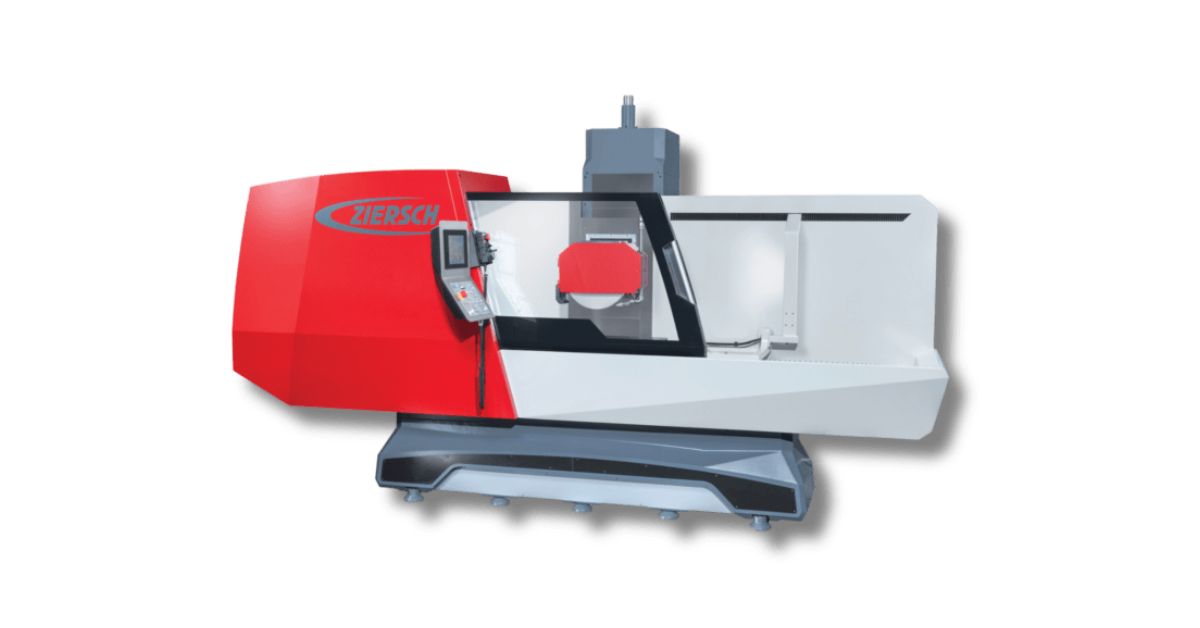
Large-format surface grinders handle oversized plates and tooling, where table size and saddle rigidity influence straightness and flatness. Thermal stability matters significantly because long traverse distances amplify temperature effects. Integrated dressing systems renew the wheel form to protect edge sharpness and surface integrity. Shops producing molds, die shoes, and machine bases rely on surface grinders to create reference planes that downstream operations trust.
The Ziersch Surface Grinder Series, including large-format models within the YCM Alliance portfolio, focuses on rigidity, accuracy, and consistent finish quality. These machines support demanding die and mold environments, where repeatable flatness is nonnegotiable.
Rotary Table Grinding Machines
Rotary table grinders use a round table that indexes or continuously rotates under a vertical spindle. This architecture excels on rings, discs, and large flat components requiring uniform stock removal and excellent flatness. The rotating table presents fresh surface area to the wheel, improving heat distribution and minimizing localized loading. Resulting finishes show high consistency across the entire diameter.
Cycle time advantages appear on heavy stock removal jobs, especially when combined with segmented wheels and controlled feeds. Stable table bearings and a robust column structure reduce vibration, allowing for more aggressive parameters while protecting surface integrity. Applications include brake discs, valve plates, bearing races, and heavy equipment wear surfaces.
Within the YCM Alliance lineup, the Ziersch Rotary Table Grinder Series provides high-precision, production-ready performance in this niche. Strong mechanical foundations support repeatability and a long service life.
Matching Your Grinder to the Task
Material Considerations
Materials dictate wheel chemistry, bond type, and coolant strategy. Hardened tool steels respond well to CBN wheels with vitrified bonds for form stability, while resin bonds help operators manage heat on tougher profiles. Carbides and ceramics typically require diamond abrasives with rigid dressing control to maintain geometry without microcracking. Aluminum and softer alloys benefit from open-structure wheels that reduce loading and promote chip evacuation.
Heat management remains critical. High-pressure, well-directed coolant streams reduce burn, stabilize dimensions, and extend wheel life. Filtration protects the wheel and improves surface finish by removing fines that would otherwise embed and smear. Building recipes for each alloy and hardness range allows for more predictable performance.
Precision and Finish Requirements
Tolerance bands and finish targets define the control, gauging, and dressing strategy. Micron-level size control often requires in-process gauging that feeds back to the CNC for automatic compensation. Roundness and concentricity specifications push choices around machine geometry and bearing quality on the workhead and wheelhead. Flatness and parallelism on surface and rotary table grinders favor rigid castings and thermally balanced designs.
Finish goals, such as Ra 8–16 µin on bearing journals or mirror-like molds, will be what shapes target wheel grit, dressing frequency, and feed rates. Achieving both tight tolerances and fine finishes may require staged wheels or multi-pass strategies. Stable coolant temperature and machine thermal compensation protect consistency during longer cycles.
Maximizing Efficiency and Reliability
The potential productivity of CNC grinding machines requires purchasers to look at a stack of factors across automation, process control, and mechanical design. Automatic wheel dressing keeps form true and cutting edges sharp without operator intervention. In-process gauging trims size drift, reducing scrap and inspection time. Load monitoring and acoustic sensors help detect chatter, burn, or wheel wear before issues occur.
A machine’s use of clean coolant is not optional. Integrated flushing channels and filtration systems that capture fine debris and maintain concentration will extend spindle life, improve finish, and reduce wheel consumption. Machine bases with high mass and engineered damping cut vibration at the source, enabling more aggressive parameters with stable results. Dependable forms of thermal management, from spindle sensors to temperature-controlled fluids, are key to maintaining geometry under real production conditions.
Reliability also depends on service and spare parts availability. YCM Alliance underscores consistency with ISO 9001 and ISO 14001 certifications, reflecting disciplined engineering and sustainable practices. That foundation supports uptime targets that production managers can plan around.
Making the Right Choice for Your Business
Part mix, lot sizes, and growth plans should guide a buyer’s final selection. A universal cylindrical grinder might deliver maximum flexibility for varied shafts and bores, while a rotary table grinder could outperform on heavy flat parts with uniform removal. Surface grinders remain indispensable when reference planes and parallelism drive downstream accuracy. Additionally, machines with controls that already match your programming workflows will reduce learning curves and setup time.
Lifecycle costs warrant equal consideration. Wheel consumption, cycle time, maintenance requirements, and operator staffing shape cost per part. Factory training and responsive applications support can unlock faster ramp-up and better part quality. Strong partnerships matter for businesses that cannot waste a production day.
Shops seeking a vetted path should start their search with the YCM Alliance’s CNC machining solution portfolio. Ziersch cylindrical, surface, and rotary table platforms pair advanced CNC control with rigid mechanics to deliver accuracy, finish, and dependable uptime. That combination can help your team scale its capacity while safeguarding quality.
Achieving Excellence in Grinding
Success with grinding starts with clarity on parts, materials, tolerances, and volumes, then flows into machine architecture, wheel choices, and control capabilities. A disciplined selection process transforms capability on day one and compounds gains across future programs.
The right choice can empower your operators, reduce the need for rework, and stabilize production schedules. That improved outcome begins when you can choose the right type of CNC grinding machine and ends with a proven platform that scales. Evaluate the Ziersch-based line within The YCM Alliance’s selection of CNC grinding machines to align precision, reliability, and service with your production goals.