
The Role of High-Precision Machining for the Auto Industry
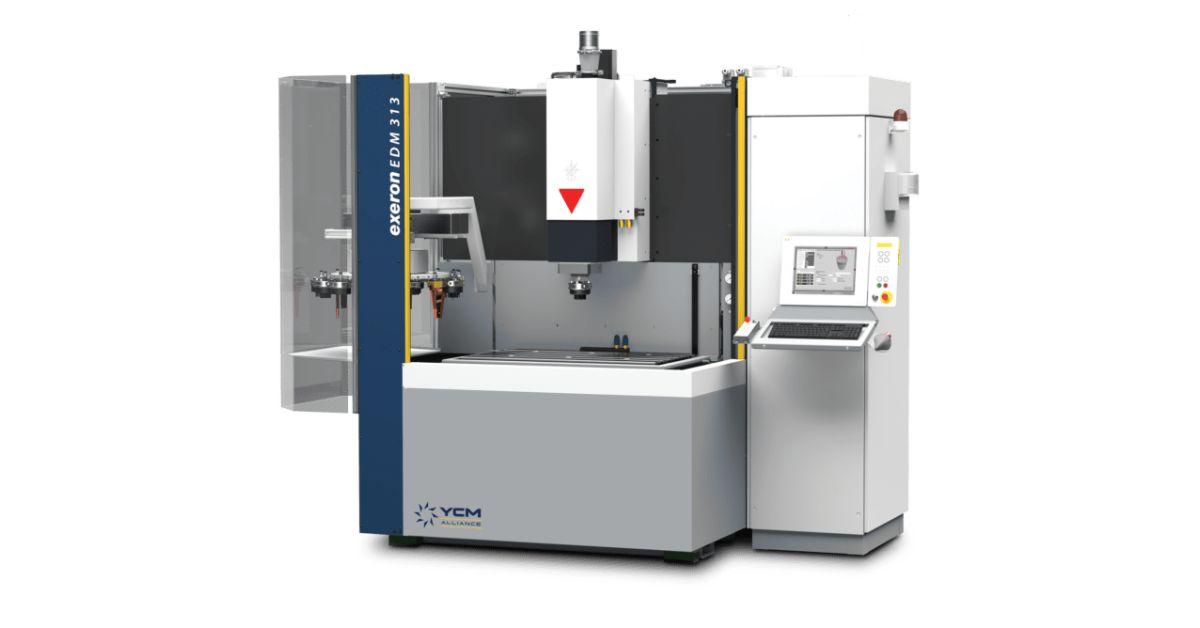
Automotive manufacturing demands exact tolerances, repeatability, and dependable throughput. From engine blocks to transmission housings, every component must perform under stress, heat, and vibration without failure. That is why the role of high-precision machining for the auto industry is more critical today than ever before.
As vehicles become more advanced, manufacturers rely on high-precision machining solutions to meet stricter performance standards and production targets. Electric drivetrains, lightweight materials, and tighter emissions regulations have raised the bar for dimensional accuracy. At the same time, OEMs and suppliers must reduce cycle times and maintain consistent quality across large production volumes. Precision machining sits at the center of that challenge.
Why Precision Matters in Automotive Manufacturing
In the auto industry, even small dimensional deviations can create serious issues. Being even a few microns out of tolerance in a crankshaft bore or cylinder head can affect fuel efficiency, increase wear, or reduce engine life. Over thousands of parts, those inconsistencies add up quickly.
High-precision machining ensures:
- Tight dimensional tolerances
- Superior surface finishes
- Accurate alignment between mating components
- Reliable repeatability across production runs
These factors directly influence performance, safety, and longevity. When automotive buyers evaluate equipment investments, they look for machines that deliver consistent results shift after shift, not just acceptable parts on the first run.
Meeting Tighter Tolerances and Complex Designs
Modern automotive components are more complex than ever. Lightweight alloys, compact assemblies, and integrated designs require advanced machining strategies. Multi-axis machining, rigid machine construction, and thermal stability all play a major role in achieving the required precision.
High-precision machining solutions support:
- Complex geometries with multi-axis capabilities
- Improved part consistency across batches
- Reduced setups to minimize alignment errors
Machining more features in a single clamping cycle is especially important. Each time a part is repositioned, the risk of tolerance variation increases. Machines that allow more operations in a single setup better maintain dimensional integrity while improving throughput.
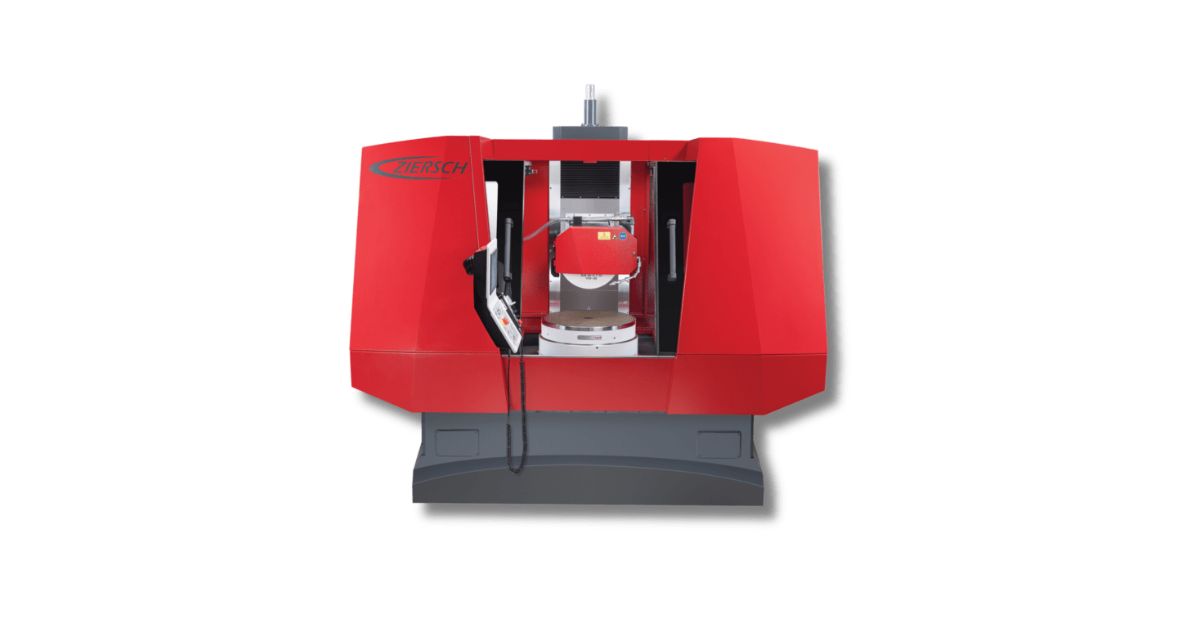
Supporting Electric Vehicle (EV) Production
The growth of electric vehicles has introduced new manufacturing requirements. Battery housings, motor components, and lightweight structural parts must meet strict tolerances to ensure efficiency and safety.
EV components often involve aluminum and other lightweight materials that require controlled cutting parameters. High spindle speeds, stable structures, and advanced control systems help maintain precision while preventing distortion.
In EV manufacturing, high-precision machining solutions help deliver:
- Accurate motor housings for optimal rotor alignment
- Consistent battery enclosure dimensions for safety sealing
- Lightweight structural components without compromising strength
As electrification expands, machining centers must combine speed with rigidity to maintain part accuracy across high production volumes.
Ensuring Reliability on the Production Floor
In automotive manufacturing, downtime is expensive. A delayed production schedule can disrupt supply chains and damage customer relationships. Precision alone is not enough to keep production moving; machine reliability is equally important.
A rigid, well-built machining center reduces vibration and maintains accuracy over time. Thermal stability prevents dimensional drift during long production runs. Advanced controls help operators maintain repeatable results across shifts.
Buyers should evaluate machines based on:
- Structural rigidity and construction quality
- Long-term accuracy retention
- Ease of maintenance and service access
Investing in dependable equipment supports consistent part quality and reduces unexpected stoppages. Over the life of the machine, reliability often proves more valuable than initial cost savings.
Improving Efficiency Through Single-Setup Machining
Automotive manufacturers are under constant pressure to increase output without sacrificing quality. One of the most effective ways to do this is by machining more features in a single setup.
Multi-axis vertical and horizontal machining centers allow operators to complete multiple operations without repositioning the part. This approach reduces handling time and minimizes tolerance stack-up.
For OEMs and job shops alike, single-setup machining provides a measurable advantage in both speed and consistency. It aligns perfectly with the goals of high-precision machining solutions in automotive environments.
Maintaining Surface Finish and Functional Performance
Surface finish is not just cosmetic in the world of automotive components. It directly impacts friction, sealing, and wear characteristics. For example, the finish inside a cylinder bore affects lubrication and engine efficiency.
High-quality machining centers provide the spindle stability and feed control necessary to achieve precise surface finishes. Consistent tool paths and minimal vibration help prevent chatter.
In high-performance applications, maintaining proper surface finish can:
- Extend component life
- Reduce friction and heat generation
- Improve fuel efficiency and energy transfer
Precision machining ensures that every part performs as designed once it leaves the production line.
Scaling Production Without Sacrificing Quality
Automotive production often involves high volumes and tight deadlines. Scaling output while maintaining consistent quality is a constant balancing act.
High-precision machining solutions support scalable production through:
- Repeatable CNC controls
- Automated tool management
- Integrated probing and measurement systems
Automation and process control reduce human error and maintain uniformity across large batches. With the right machining platform, manufacturers can increase output while preserving dimensional accuracy.
This scalability is essential for Tier 1 suppliers and OEMs that must respond to shifting demands.
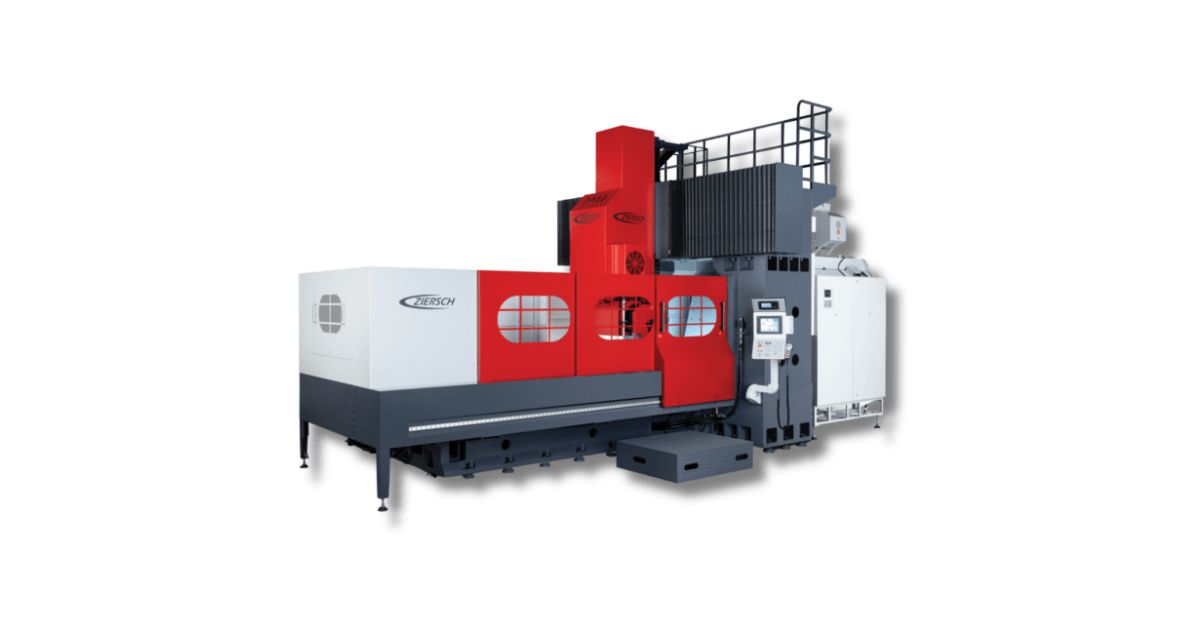
Adapting to Lightweight and Advanced Materials
Automotive engineers continue to adopt new materials to reduce weight and improve performance. These aluminum alloys, high-strength steels, and composite-friendly designs require careful machining strategies.
Different materials respond differently to cutting forces and thermal changes. Machines must maintain rigidity and precise spindle control to avoid deformation and maintain tolerance.
High-precision machining solutions enable manufacturers to:
- Optimize cutting parameters for various materials
- Maintain dimensional stability under heat
- Reduce scrap rates caused by material distortion
As materials evolve, machining technology must keep pace. Precision and control remain the foundation of successful implementation.
Long-Term Value Over Short-Term Savings
In a competitive industry, equipment decisions often come down to cost. However, focusing solely on the upfront price can lead to long-term challenges.
A machine that loses accuracy over time, requires frequent service, or struggles to maintain tolerances can cost far more in downtime and scrap than it saves initially. Automotive production requires endurance and consistency.
For buyers evaluating capital equipment, the focus should remain on performance, reliability, and long-term productivity.
Partnering With the Right Machining Provider
Automotive manufacturing continues to evolve, driven by electrification, lightweight design, and increasing performance expectations. Meeting these demands requires advanced equipment capable of maintaining tight tolerances at scale. Throughout modern automotive production environments, high-precision machining remains central to quality, efficiency, and long-term reliability.
By investing in high-precision machining solutions that prioritize rigidity, repeatability, and durability, manufacturers position themselves for sustained success. Precision is not simply a technical specification; it is the foundation of performance in every vehicle component produced.
Choosing the right equipment partner is as important as selecting the machine itself. Technical support, application expertise, and integration capabilities all influence production success.
The YCM Alliance brings together precision-focused machine tools, knowledgeable dealers, and solution experts to deliver complete systems. With a wide range of vertical machining centers, horizontal machining centers, and multi-axis platforms, manufacturers can match equipment to specific automotive applications.
If you are looking to strengthen your automotive production capabilities, explore precision machines from the YCM Alliance. Our team works with you to identify the right high-precision machining solutions for your production goals, helping you achieve reliable performance and long-term value.