
Vertical vs. Horizontal CNC Machines: The Differences
Choosing the right CNC equipment is a critical decision for manufacturers focused on precision, efficiency, and long-term reliability. Among CNC milling machines, vertical and horizontal configurations are the most widely used, yet they serve different production needs. Understanding the differences between vertical and horizontal CNC machines can help buyers align machine capabilities with part complexity, material type, and throughput goals.
In this guide, we break down how vertical and horizontal CNC machines work, where each excels, and what factors matter most when selecting the right solution for your shop.
What Are CNC Milling Machines?
CNC milling machines are automated machining systems that remove material from a workpiece using rotating cutting tools controlled by programmed instructions. These machines deliver high accuracy, repeatability, and efficiency across a wide range of industries, including aerospace, automotive, medical, and electronics manufacturing.
While all CNC machines rely on similar core components, their orientation plays a major role in performance, workflow, and application suitability.
Understanding Vertical CNC Machines
How Vertical CNC Machines Work
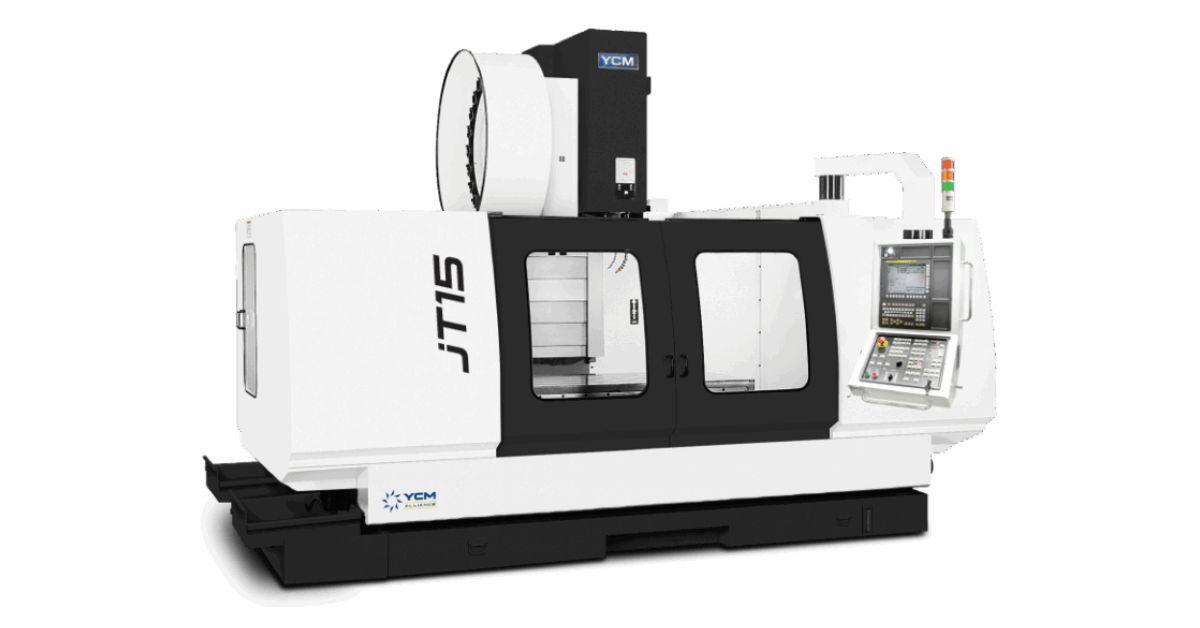
Vertical CNC machines, commonly referred to as Vertical Machining Centers (VMCs), position the spindle perpendicular to the worktable. The cutting tool moves vertically along the Z-axis while the table handles X- and Y-axis movement.
This configuration makes it easier to view the machining process and access the workpiece during setup.
Key Advantages of Vertical CNC Machines
Vertical machines are often favored for their simplicity and versatility, particularly in low- to medium-volume production environments.
Common benefits include:
- Easier setup and operation for less complex parts
- Lower initial investment compared to horizontal machines
- Strong performance for drilling, slotting, and face milling
- Compact footprint for shops with limited floor space
Vertical CNC machines are widely used in shops and prototyping environments where flexibility is essential.
Limitations To Consider
While vertical machines are highly capable, they can face challenges with chip evacuation. Chips tend to accumulate on the workpiece, which may require pauses for clearing and can impact surface finish during longer production runs.
Understanding Horizontal CNC Machines
How Horizontal CNC Machines Work
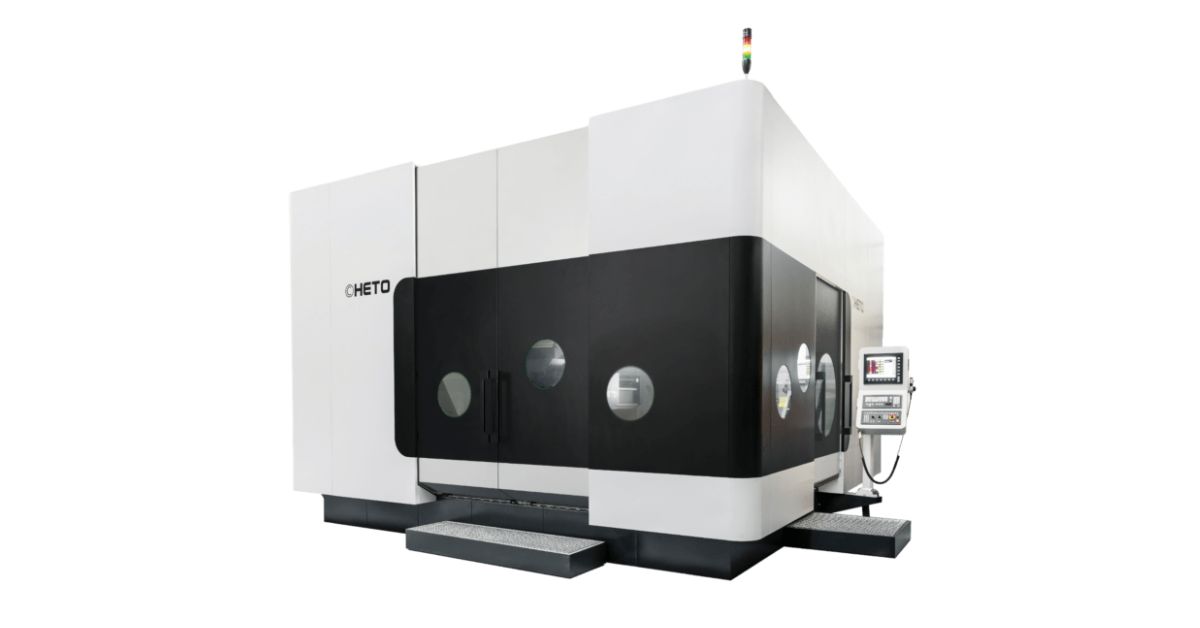
Horizontal CNC machines, also known as Horizontal Machining Centers (HMCs), feature a spindle that is parallel to the worktable. The workpiece is typically mounted on a pallet, allowing gravity to assist with chip removal.
This orientation supports continuous machining and higher material removal rates.
Key Advantages of Horizontal CNC Machines
Horizontal machines are built for productivity and durability, making them ideal for high-volume manufacturing.
Key strengths include:
- Superior chip evacuation for cleaner cuts
- Faster cycle times for complex parts
- Ability to machine multiple sides in one setup
- Reduced operator intervention during production
For manufacturers focused on throughput and consistency, horizontal CNC milling machines often deliver a strong return on investment.
Considerations and Trade-Offs
Horizontal machines typically require a higher upfront investment and more floor space. However, their efficiency gains often offset these costs in production-heavy environments.
Vertical vs. Horizontal CNC Machines: Key Differences
Spindle Orientation and Part Access
Vertical machines provide easier access to the workpiece, making them well-suited for simpler geometries and quick changeovers. Horizontal machines, by contrast, excel at machining complex parts that require the completion of multiple faces in a single setup.
Chip Management
Chip evacuation is one of the most noticeable differences. Horizontal CNC machines rely on gravity to clear chips efficiently, while vertical machines may require additional airflow or manual clearing.
Production Speed and Efficiency
Horizontal machines are optimized for speed and automation. Features like pallet changers allow professionals to machine one part while another is loaded, minimizing downtime.
Vertical machines remain efficient for smaller batches and less intricate designs.
Floor Space and Cost
Vertical CNC machines typically take up less space and have a lower purchase cost. Horizontal machines demand more room and investment but are built for long-term, high-output performance.
Choosing the Right CNC Milling Machine for Your Application
The choice between vertical and horizontal CNC machines depends on several operational factors.
Production Volume
- Low to medium volume: Vertical CNC machines offer flexibility and cost efficiency
- High volume: Horizontal CNC machines support continuous production and automation
Part Complexity
- Simple, flat, or single-face parts often favor vertical machines
- Multi-sided or complex geometries benefit from horizontal machining
Material Type
Harder materials and heavy cutting operations often perform better on horizontal machines due to their rigidity and chip control.
Long-Term Reliability
Machine durability matters as much as capability. Downtime can disrupt production schedules and increase operating costs, making reliability a key decision factor.
How Workflow and Shop Strategy Influence Machine Selection
Beyond technical specifications, the choice between vertical and horizontal CNC machines often comes down to how work moves through production in a shop. Factors such as staffing levels, automation goals, and scheduling pressures all influence which configuration delivers the most value.
Vertical CNC machines tend to integrate easily into flexible workflows where frequent job changes are common. Their accessibility simplifies setups, inspections, and adjustments, which can be especially beneficial in environments where machinists manage multiple jobs throughout the day. This adaptability supports efficient use of skilled labor without excessive complexity.
Horizontal CNC machines, on the other hand, are often selected when production strategy emphasizes consistency and unattended operation. Features such as pallet systems and multi-face machining allow workpieces to progress with minimal interruption, supporting longer run times and predictable output. In these scenarios, the machine becomes a central component of a streamlined, repeatable process rather than a frequently adjusted tool.
Aligning machine orientation with shop workflow helps maximize uptime, reduce bottlenecks, and ensure that CNC milling machines support both current production needs and future growth plans.
Why Quality and Machine Longevity Matter
In competitive manufacturing environments, choosing CNC machines based solely on price can lead to higher costs over time. Precision, rigidity, and long-term reliability directly affect part quality and production uptime.
Investing in well-engineered machines helps ensure consistent output, reduced maintenance interruptions, and dependable performance under demanding workloads.
Finding the Right Solution With YCM Alliance
We understand that no two manufacturing operations are identical. That’s why the YCM Alliance offers a broad range of CNC milling machines designed to meet diverse production needs, from flexible vertical solutions to high-performance horizontal systems.
If you’re evaluating new equipment, explore the YCM Alliance CNC machines to find a solution built for precision, reliability, and long-term value.
Both vertical and horizontal CNC machines offer distinct advantages depending on your production goals, part complexity, and volume requirements. By understanding the differences between vertical and horizontal CNC machines, manufacturers can make informed decisions that support efficiency, quality, and growth.