
What To Do When CNC Drilling Causes Tool Breakage
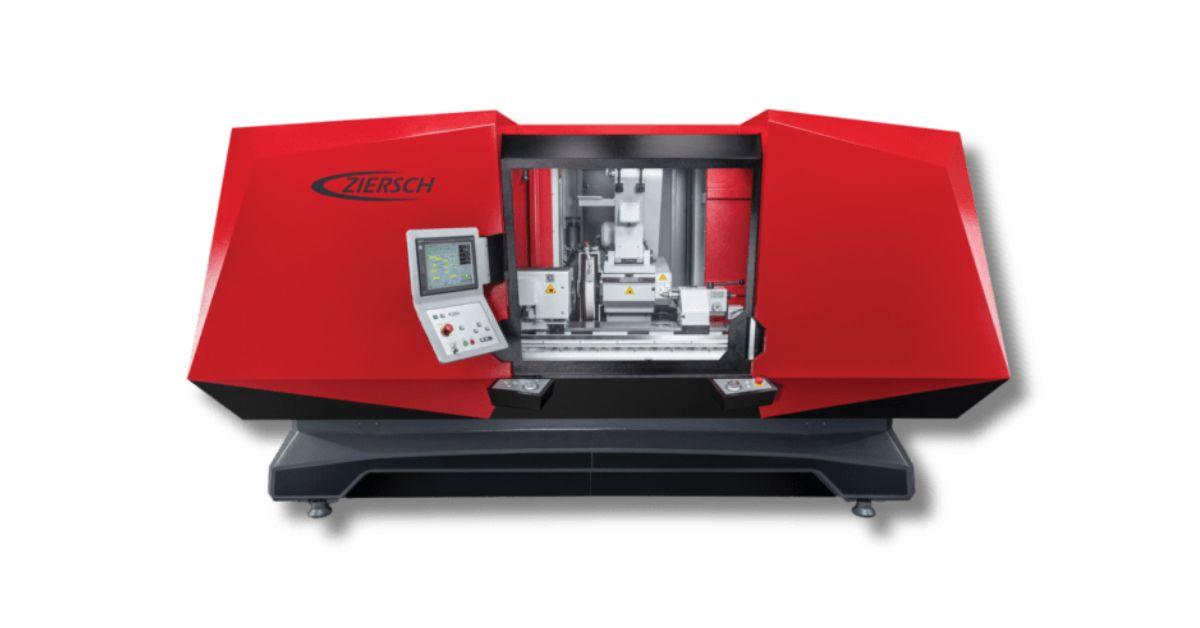
Tool breakage during drilling operations can stop production instantly. It can damage expensive parts, increase downtime, and create safety concerns on the shop floor. For manufacturers relying on tight tolerances and consistent throughput, understanding the causes of tool failure is critical.
Here, we’ll cover what to do when CNC drilling causes tool breakage and how machining teams can diagnose the problem quickly. By identifying the root causes—whether programming, tooling, or machine-related—shops can prevent repeated failures and improve overall process stability.
Manufacturers using modern CNC drilling machines often discover that tool breakage rarely has a single cause. Instead, it typically results from a combination of programming, tooling setup, workholding, and machine performance factors.
Throughout this guide, we will break down the most common causes of drill failure and outline practical steps that machinists and engineers can use to maintain reliable drilling operations.
Why Tool Breakage Happens in CNC Drilling
Drilling may appear straightforward, but it places significant stress on cutting tools. Unlike many milling operations, drilling creates consistent axial force while removing chips from deep holes.
Several factors increase the likelihood of failure:
- Continuous cutting engagement with limited chip evacuation
- Heat buildup in deep or high-speed drilling operations
- Improper feed rates or spindle speeds
- Tool deflection or vibration
When these conditions combine, drills may chip, fracture, or snap entirely.
For manufacturers producing parts for aerospace, automotive, medical, or energy industries, preventing drill failure is essential. These industries often require precision machining and tight tolerances, where even minor process instability can affect part quality.
High-quality CNC drilling machines maintain rigidity and consistent performance, but even the best equipment must be paired with proper programming and tooling strategies.
Early Signs That a Drill Is About To Fail
Before a drill breaks completely, there are often warning signs that machinists can identify during production.
Recognizing these symptoms early can prevent part damage and costly downtime.
- Increasing spindle load or cutting force during drilling cycles
- Poor chip evacuation or chip packing in the hole
- Squealing or unusual cutting noises
- Visible wear or chipping on the cutting edge
Monitoring these indicators allows operators to stop a cycle before catastrophic tool failure occurs. Many modern CNC drilling machines also provide load monitoring and tool life management features that help detect abnormal cutting conditions.
When these early warnings appear, it is important to investigate the underlying cause rather than simply replacing the broken tool.
The Most Common Causes of Drill Breakage
Understanding the most frequent reasons for tool failure can help machinists troubleshoot problems faster.
- Incorrect feeds and speeds: Excessive feed rates or improper spindle speeds create extreme cutting forces.
- Poor chip evacuation: Chips trapped inside the hole increase friction and heat buildup.
- Tool runout or misalignment: Even small alignment errors can lead to uneven cutting forces.
- Inadequate coolant delivery: Insufficient cooling accelerates wear and heat damage.
- Improper tool selection: Drill geometry must match the material and hole depth requirements.
These issues are often interconnected. For example, improper speeds may generate excess heat, which then increases tool wear and causes chip packing.
Troubleshooting requires evaluating the entire drilling process rather than focusing on a single parameter.
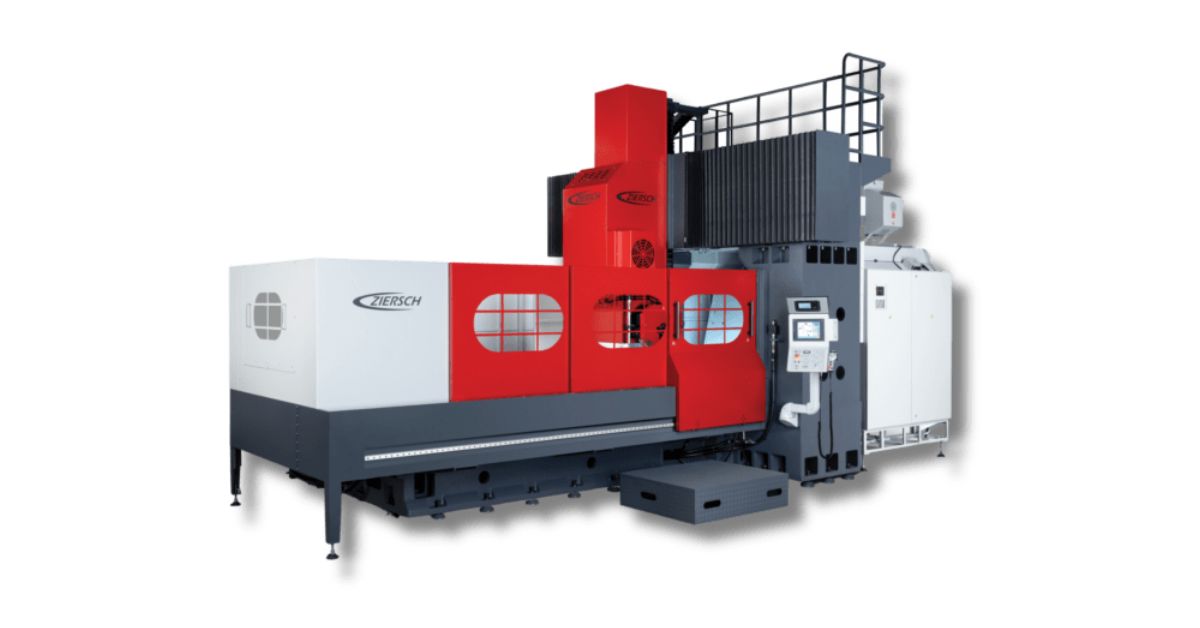
Steps for Troubleshooting Drill Breakage
When a tool fails repeatedly during drilling operations, a structured troubleshooting approach is necessary.
- Review the cutting parameters to confirm recommended feeds, speeds, and peck cycles.
- Inspect tool holders and runout to ensure the drill is properly aligned.
- Evaluate coolant flow and chip evacuation to prevent chip packing.
- Check workholding stability to eliminate vibration during drilling.
- Examine the drill for wear patterns that indicate specific cutting issues.
These steps help teams isolate whether the problem originates in programming, tooling, or machine performance.
In many cases, adjusting feeds and speeds or improving chip evacuation resolves the issue quickly.
However, if tool breakage continues despite these changes, the root cause may involve machine rigidity or structural stability.
Machine Performance and Rigidity
Machine rigidity plays a major role in drilling reliability. Drilling operations generate continuous axial forces, which can amplify vibration or deflection in less rigid equipment.
When a machine lacks sufficient structural strength, several issues may occur:
- Tool chatter during drilling
- Uneven cutting forces across the drill flutes
- Premature tool wear
- Sudden tool breakage
High-performance CNC drilling machines minimize these problems through rigid cast structures, stable spindle systems, and precise motion control.
Rigid machine platforms allow drills to maintain consistent engagement with the material. This stability reduces vibration and improves tool life, especially when drilling deeper holes or working with difficult materials.
Machine reliability is particularly important in high-volume production environments where downtime can quickly disrupt manufacturing schedules.
Best Practices for Preventing Drill Breakage
Preventing drill failure begins with consistent machining practices and proper process control.
- Use the correct drill geometry for the material and hole depth.
- Maintain proper feeds and speeds recommended by tooling manufacturers.
- Ensure adequate coolant delivery for heat control and chip evacuation.
- Monitor tool wear regularly before catastrophic failure occurs.
- Use rigid machines and tool holders to minimize vibration and deflection.
Implementing these best practices reduces the likelihood of sudden failures and improves overall machining reliability.
Modern CNC drilling machines often incorporate features such as high-pressure coolant systems, load monitoring, and precision spindles that further support stable drilling operations.
These capabilities help shops maintain consistent production and reduce the risk of unexpected tool breakage.
The Role of Machine Quality in Reliable Drilling
While programming and tooling adjustments are important, the quality of the machine tool itself has a significant influence on drilling performance.
Reliable machines provide:
- Stable spindle performance
- Consistent positioning accuracy
- High structural rigidity
- Durable components designed for long-term operation
Manufacturers producing high-value components cannot afford production interruptions caused by unstable machining conditions.
For this reason, many shops invest in machining systems designed specifically for reliability and long production cycles. Machines built with strong structural design and precise motion systems maintain consistent drilling results even under demanding workloads.
At YCM Technology, we understand that machine reliability directly affects production success. We build our machines with precision engineering and long-term durability in mind, delivering the stability manufacturers need for consistent part production.
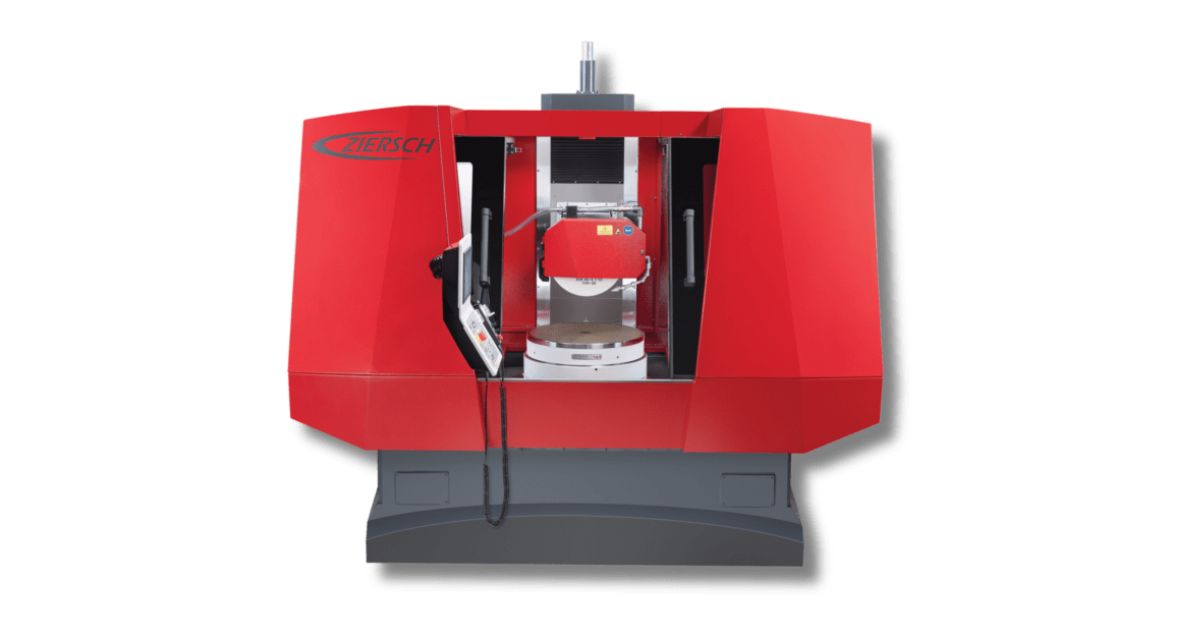
Creating a More Stable CNC Drilling Operation
Tool breakage during drilling operations is frustrating, costly, and disruptive. However, it is rarely random. Most failures occur because of identifiable issues involving cutting parameters, chip evacuation, tool selection, or machine rigidity.
By evaluating these factors carefully, machinists can quickly determine the root cause and prevent repeated failures. A structured troubleshooting approach combined with strong machining practices can significantly reduce downtime and extend tool life.
If your operation is experiencing challenges wherein CNC drilling causes tool breakage, the right equipment and machining strategy will be key to preventing the issue in the future.
Explore the YCM Alliance’s general parts machining solutions to discover precision-engineered systems designed for reliability, stability, and high-performance machining across demanding production environments.