
8 Factors That Affect Ultra-Precision Machining
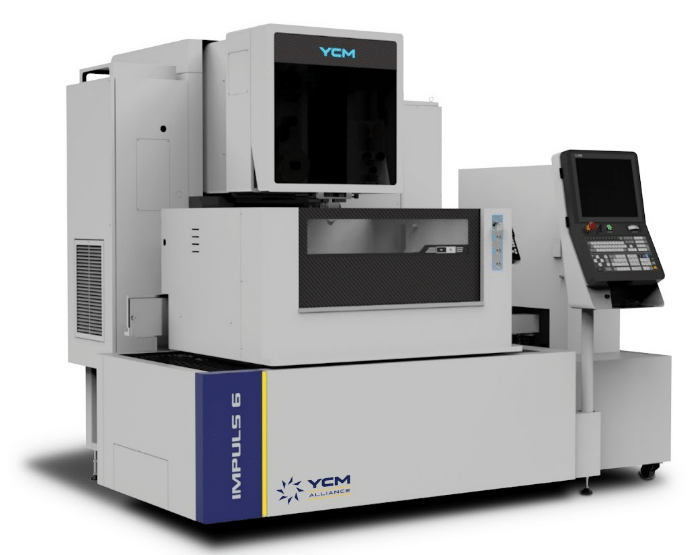
Ultra-precision machining pushes manufacturing equipment to operate within extremely tight dimensional tolerances. At that level, even small changes in the machine or cutting process can shift the final result enough to create scrap or require additional finishing. Environmental changes in the shop can do the same.
Manufacturers need more than a machine with an impressive accuracy specification. They need a stable process that controls the variables affecting repeatability from the first part through the final production run. Understanding those variables helps buyers evaluate equipment more intelligently and gives machinists a stronger foundation for consistent results. Keep reading to discover factors that affect ultra-precision machining.
1. Machine Rigidity
A machine tool must resist cutting forces without unwanted movement. When the structure flexes under load, the cutting tool can move away from its intended path and leave dimensional errors or unwanted surface patterns.
Machine builders use rigid castings and reinforced structures to limit deflection. Carefully designed guideways add another layer of mechanical stability. High-precision machining depends heavily on that mechanical foundation because software can’t fully compensate for a structure that moves unpredictably under changing loads.
Buyers should look beyond axis travel and spindle speed when they compare machines. Machine construction can influence how consistently the equipment holds position during roughing and finishing operations. A rigid platform also gives the cutting process a more stable base when tools engage difficult materials.
2. Thermal Stability
Heat changes dimensions. Spindles generate heat as they run, while motors and ball screws can also raise temperatures during production. Changes in room temperature add another source of dimensional movement.
Manufacturers can reduce thermal variation through spindle cooling and temperature-controlled lubrication. Machine designs that manage heat consistently can provide further control. Shops also need to consider warm-up routines because a cold machine can behave differently after it reaches normal operating temperature.
Ambient conditions deserve attention as well. A large temperature swing across a workday can affect the machine and the workpiece at the same time. Ultra-precision work benefits from a controlled environment that keeps those changes as small and predictable as practical.
3. Vibration Control
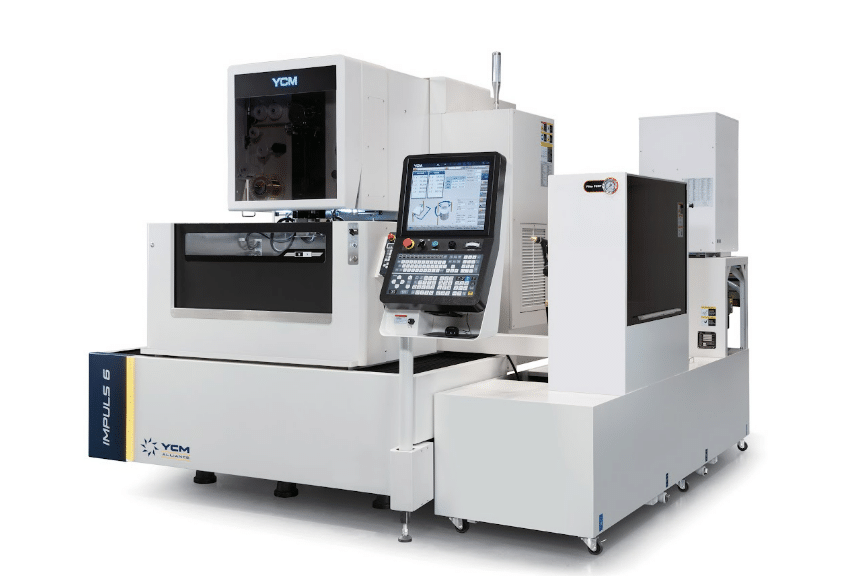
Vibration can interfere with dimensional accuracy and surface finish. Cutting forces create vibration at the tool, while weak foundations or unstable setups can allow that motion to spread through the machining system.
A rigid machine structure helps control vibration, but the rest of the setup still plays an important role. Tool overhang and holder condition can change how the system responds during a cut. Workholding stiffness also affects the way vibration travels through the setup.
Machinists also need to match spindle speed and feed rate to the cutting conditions. Certain combinations can excite chatter, especially during aggressive cuts or when a tool reaches far from the holder. A stable cutting process keeps the tool path more predictable and protects the desired finish.
4. Spindle Performance
The spindle connects the machine to the cutting tool, so its behavior directly affects the cut. Runout and heat growth can influence tool position at the cutting edge. Bearing condition can introduce another source of variation.
Ultra-precision applications need a spindle that maintains stable rotation under the required speed and load. A high maximum rpm alone doesn’t tell buyers whether the spindle can support demanding precision work. They should also examine thermal management and the spindle’s ability to maintain consistent performance during long cycles.
Toolholders add another connection point. Clean tapers and proper holder selection help the spindle transfer motion to the tool with less variation. Small errors near the spindle can become more noticeable at the tool tip, especially with longer tools.
5. Cutting Tool Condition
A cutting edge changes as it wears. Tool wear can increase cutting forces and alter the way the edge contacts the material. Those changes can shift dimensions or reduce surface quality even when the machine follows the same programmed path.
Machinists should treat tool condition as part of process control. They can track tool life and inspect critical edges on a consistent schedule. Timely replacement keeps wear from creating unacceptable variation. They should also select tool geometry that suits the workpiece material and finishing requirement.
Ultra-precision work often leaves little room for a damaged or inconsistent edge. A carefully selected tool can support cleaner cuts and more predictable dimensions, while a worn tool can introduce variation that operators may mistake for a machine problem.
6. Workholding Stability
The machine can’t produce consistent geometry if the workpiece shifts during the cut. Fixtures and clamping systems need enough stiffness to hold the part securely without distorting it.
Excessive clamping force can create its own problems, especially with thin walls or delicate features. A part may change shape under pressure and move again after the operator releases it. Machinists need a workholding strategy that supports the part while limiting unnecessary stress.
Setup consistency also affects repeatability from part to part. Clean locating surfaces and controlled clamping practices help operators place each workpiece in a predictable position. Stable workholding gives the machine a reliable reference for every cycle.
7. Material Behavior
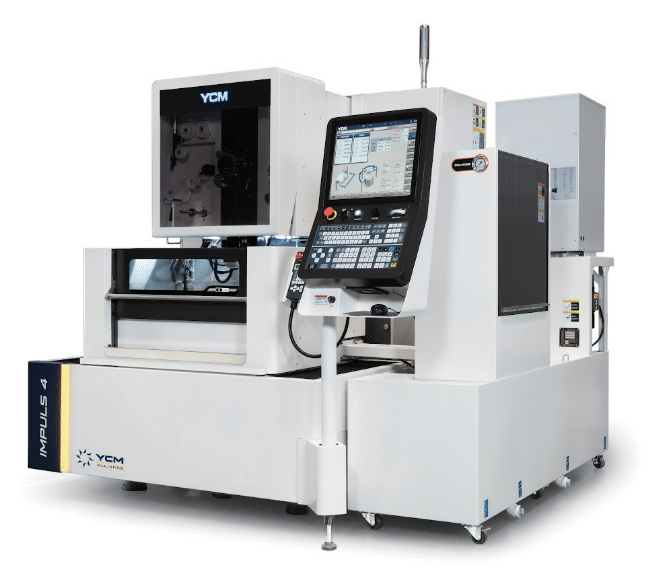
Different materials respond to cutting forces and heat in different ways. Aluminum expands more readily with temperature changes than many steels, while tough alloys can create higher cutting loads and faster tool wear.
Material condition can also influence the result. Residual stress inside a workpiece may cause movement as machining removes material. Machinists can reduce surprises by planning roughing and finishing operations around the part geometry and the material’s behavior.
Process planning becomes especially important when a component needs tight tolerances across several features. Operators may need to control heat input or allow the part to stabilize before final finishing. The goal involves keeping the workpiece predictable throughout the process.
8. Calibration and Measurement
Ultra-precision machining depends on accurate feedback. A machine needs reliable position data, while the shop needs measurement equipment capable of verifying the finished feature.
Regular calibration helps machinists identify geometric errors before those errors affect production. Probing systems can also support process checks when operators use them correctly and maintain the probe system.
Measurement conditions deserve the same attention as machining conditions. A warm part can measure differently after it reaches room temperature. Operators should use consistent inspection practices so they can separate true machining variation from measurement variation.
Building a More Stable Precision Process
Ultra-precision machining depends on many factors and the entire production system working together. Machine rigidity sets the mechanical foundation, while thermal control keeps geometry more stable as production continues. Tool condition and workholding then shape how accurately the machine transfers programmed motion into the finished part.
When we evaluate precision equipment, we start with the application a manufacturer plans to run. Part geometry and tolerance requirements can change which machine characteristics deserve the most attention. Production volume can shift those priorities again. Buyers also need to consider long-term reliability because a machine must hold performance through daily production, not just during a short demonstration.
At YCM Alliance, we evaluate machining requirements around application fit, including rigidity and thermal stability. A careful equipment review can help manufacturers choose a platform that supports tighter process control and more consistent part quality over time.