
9 Signs Your CNC Machine Needs Servicing
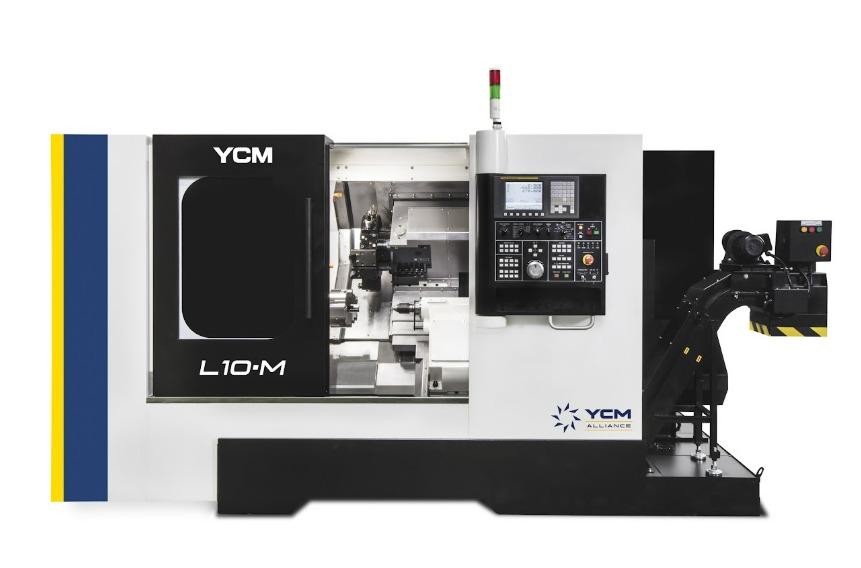
A CNC machine rarely goes from normal production to a complete shutdown without giving any warning. Small changes in accuracy, sound, movement, or operating behavior can appear long before a failure halts the job. Operators who recognize those changes early can schedule service around production and avoid an unexpected breakdown.
Regular maintenance still plays an important role, but maintenance schedules can’t predict every worn component or developing fault. A machine may also need attention between planned service intervals. The key is knowing which changes warrant a closer look and which stem from the cutting process or setup. Check out these signs your CNC machine needs servicing.
Parts Start Drifting out of Tolerance
Dimensional drift often gives a shop one of the clearest signs of an emerging machine problem. A part that has held size consistently may begin moving toward a tolerance limit, even though the program and setup haven’t changed.
Start with the process before blaming the machine. Check tool wear, offsets, workholding, and thermal conditions. If the same dimensional problem persists across different tools or jobs, the machine may need an axis inspection or calibration.
Ballscrew wear or servo-related problems can reduce positioning consistency over time. Addressing the source early helps protect part quality before operators start chasing dimensions with frequent offset changes.
Surface Finish Begins To Change
A poor finish doesn’t necessarily indicate a service problem. Dull cutting tools or unstable workholding can cause chatter marks and inconsistent surfaces.
A different pattern emerges when finish problems persist after normal process corrections. Repeated chatter with fresh tooling may indicate spindle runout or unintended axis movement. Compare the machine’s current behavior with its normal performance to distinguish a machining issue from a mechanical one.
New Sounds or Vibration Appear
Experienced operators learn to recognize a machine’s normal sounds during rapid travel and cutting. A new whine, grinding sound, knock, or rhythmic vibration warrants attention when it appears repeatedly.
Noise can originate from a simple source, such as a damaged tool, so inspect the cutting process first. Persistent vibration may indicate spindle bearings, drive components, axis components, or lubrication problems. Stop the machine if the sound becomes severe or if continued operation could damage the equipment.
Don’t wait for unusual noise to become part of the shop’s normal background. Early service can prevent a developing mechanical problem from spreading.
Spindle Performance Becomes Inconsistent
The spindle carries a heavy workload, so changes in spindle behavior can quickly affect production. Watch for unusual heat, longer acceleration times, fluctuating spindle load, or repeated spindle alarms.
Tooling can affect spindle load, and cutting parameters can raise temperatures during demanding work. However, a spindle that behaves differently under familiar conditions warrants closer inspection. Bearing wear or drive issues can reduce performance and eventually interrupt production.
A service technician can evaluate spindle condition and determine whether repair or a larger intervention makes sense.
Axis Motion Feels Less Smooth
Linear guides and ballscrews need consistent lubrication and proper mechanical condition to move accurately. Operators may notice jerky travel, hesitation, unusual axis noise, or inconsistent positioning as problems develop.
Low lubricant levels are an obvious place to start. Check the reservoir and visible delivery points per the machine manufacturer’s instructions. If lubrication appears normal but the axis still behaves abnormally, service personnel may need to inspect the system, ballscrew, servo, or feedback components.
Avoid compensating for rough motion by adjusting parameters unless qualified personnel direct the work. A parameter change can mask useful symptoms and complicate diagnosis.
Alarms Keep Returning
An isolated alarm can result from a temporary condition or operator error. A recurring alarm warrants more attention, especially when the same spindle, servo, lubrication, or control warning reappears after basic checks.
Record the exact alarm text and note what the machine was doing when the alarm appeared. Patterns can help a technician distinguish a process event from a machine-level fault. Repeated resets without investigation may erase useful clues while the underlying problem continues.
If the alarm relates to a safety system or unpredictable motion, stop production and escalate the issue promptly.
Lubrication or Fluid Problems Develop
CNC machines depend on lubrication systems to support smooth, accurate motion. A visible leak or a lubrication alarm can signal a problem that needs attention.
Coolant behavior can also provide useful clues. Unexpected loss of flow or repeated overheating may indicate a coolant-system problem that needs service. Operators can check routine items within their normal responsibilities, but they shouldn’t dismantle guarded systems without proper training.
Track fluid consumption so unusual patterns stand out before a minor repair becomes a larger mechanical issue.
Tool Life Drops Without a Clear Reason
Cutting tools wear for many reasons, including material condition and machining parameters. A sudden drop in tool life becomes more important when the shop hasn’t changed the process or tooling.
Excessive runout or spindle vibration can impose uneven loads on a cutting edge. Axis instability can also affect how consistently a tool engages the material. If new tools fail sooner on a machine that previously ran the same process reliably, inspect the machine’s condition before treating the problem as a tooling issue alone.
Compare results on another machine when possible. This comparison can narrow the source without changing several variables at once.
Tool Changes or Machine Movements Slow Down
A CNC machine may continue producing parts even as mechanical response begins to decline. Slower tool changes or hesitant axis movement can add time to each cycle and signal wear or a developing support-system problem.
First, check for obvious obstructions and follow standard operator maintenance. If the slowdown persists, a technician may need to inspect the automatic tool changer, sensors, pneumatic system, or drive components. Gradual performance loss warrants attention because operators can adapt to it without noticing the added cycle time.
Production data can help here. Compare current cycle behavior with a known stable period for the same job.
Know When To Call for Service
Operators can resolve many routine problems through proper setup and scheduled maintenance. Persistent accuracy changes, recurring alarms, unusual spindle behavior, or unsafe motion go beyond normal operator troubleshooting.
Qualified machine tool dealers can help diagnose faults that require electrical testing or component removal. Provide the service team with clear information about the machine and the conditions surrounding the problem. Clear details help technicians narrow the likely cause before hands-on diagnosis.
Record Useful Details Before You Call
Write down the machine model and serial number along with the control type. Record the exact alarm text and the operation that was running when the fault appeared. Photos or short videos can also document unusual movement or noise without relying on memory.
Avoid changing unfamiliar parameters or bypassing interlocks while you troubleshoot. Those actions can create new problems and make the original fault harder to trace.
Protect Uptime With Early Action
CNC machines deliver their best value when they maintain accuracy and run reliably through demanding production schedules. Small changes in the CNC machine give operators a chance to schedule servicing before downtime becomes unavoidable. At YCM Alliance, we view service as integral to long-term machine performance. Even strong equipment still needs disciplined care and timely technical support throughout its working life. When recurring symptoms point beyond routine maintenance, early inspection can protect production and help the machine continue delivering the precision your shop expects.