
Dos and Don’ts for 5-Axis Vertical Machining Projects
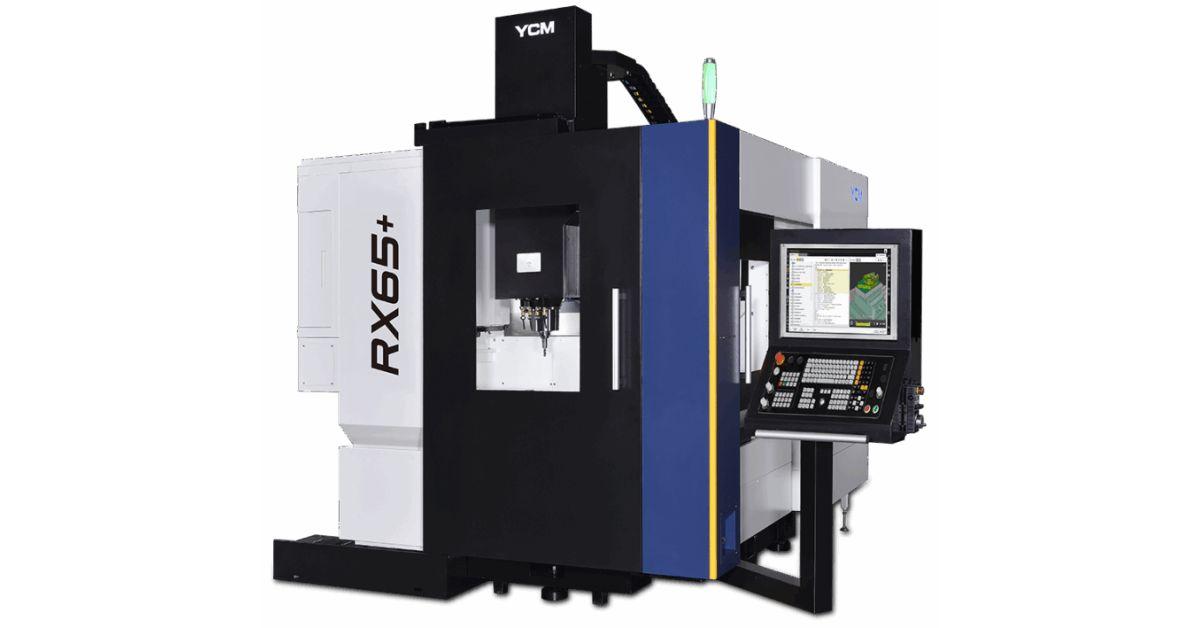
5-axis machining can open new possibilities for complex parts, tighter tolerances, and more efficient production. It can expose weak points in planning if a shop treats it like a simple extension of 3-axis work. The technology brings tool access and fewer setups, but it requires a disciplined approach to programming, fixturing, tooling, and machine selection.
A well-planned 5-axis CNC VMC project can reduce handling and help teams produce advanced parts without building a workflow around trial and error. Learn the dos and don’ts for 5-axis vertical machining projects to improve your processes.
Start With the Part, Not the Machine
A 5-axis vertical machining project should begin with the part requirements. Geometry, tolerance, material, surface finish, and inspection needs should guide the process before anyone chooses a machine strategy.
Do identify which features require 5-axis access. Some parts only need positional 5-axis machining, while others benefit from simultaneous movement. This distinction affects programming time, tooling choices, and cycle expectations.
Don’t assume every surface needs advanced motion. Overusing simultaneous machining can create longer programs, complicate verification, and cause avoidable wear.
Plan Workholding Before Programming
Workholding is one of the first places a 5-axis project can succeed or stall. Since the machine can tilt and rotate the part, all clamps, vises, pallets, and fixtures must provide access without creating collision risks.
A strong setup should account for how the tool approaches the part throughout the full motion path. It should also keep the workpiece stable under cutting forces. Poor workholding can undo the accuracy gains that 5-axis machining is supposed to deliver.
When reviewing a setup, focus on practical access and stability factors such as:
- Maintaining clearance around clamps and fixture components
- Supporting the part during tilted cutting positions
- Reducing unnecessary repositioning between operations
Don’t wait until the program is nearly complete to evaluate the fixture. At that stage, changes can force revisions across toolpaths, setup sheets, and inspection plans.
Don’t Ignore Machine Rigidity
A 5-axis CNC VMC must do more than move through five axes. It must maintain accuracy while cutting, tilting, and holding position under load. Rigidity directly affects finish quality, tool life, and repeatability.
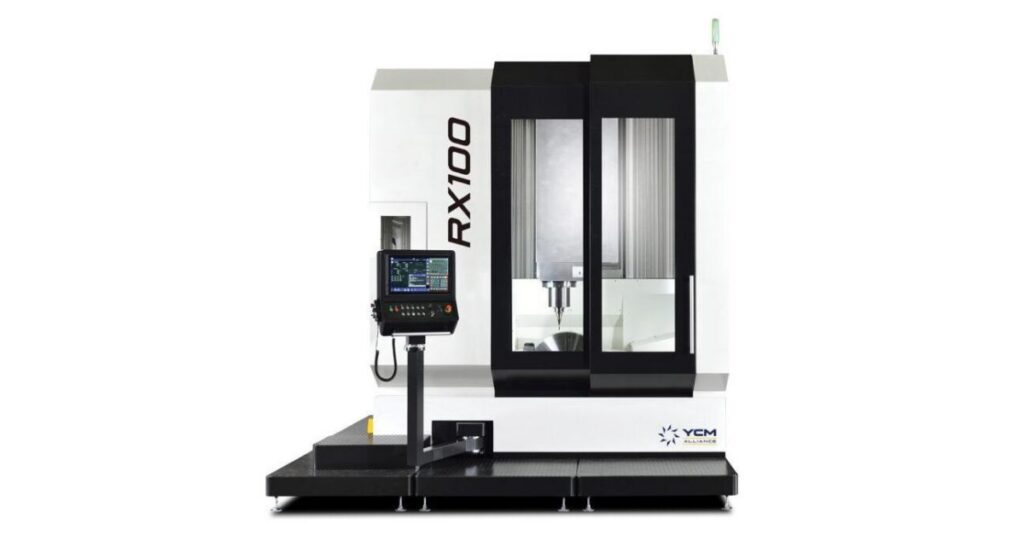
Do evaluate machine construction, spindle performance, thermal stability, and table capacity before assigning demanding work to a platform. A machine that performs well on light aluminum parts may not deliver the same results on tougher alloys or deep cavity features.
Match Tooling to the Motion Strategy
Tooling choices should reflect how the machine will approach the part. 5-axis machining often allows shorter, more rigid tools because the workpiece or spindle can tilt into position. That can improve surface finish and reduce chatter.
Do use the machine’s motion to maintain better cutting angles. Proper tool orientation can reduce tool deflection and help the cutter engage material more efficiently. This is especially useful on contoured surfaces, angled features, and hard-to-reach details.
Don’t rely on long tools simply because they solved access problems on older equipment. Long overhang increases vibration and may reduce dimensional control. A 5-axis approach should often reduce the need for that compromise.
Keep Programming Practical
Programming 5-axis work requires a balance between sophistication and control. Advanced toolpaths can improve access and finish, but they also need careful verification.
Do simulate the full program before cutting. Collision checking should include the tool, holder, spindle, fixture, table, and machine envelope. This step helps prevent costly crashes and gives operators more confidence before the first part reaches the spindle.
Don’t create toolpaths that are difficult for operators to understand or troubleshoot. A clear program supports better setup, faster prove-out, and more consistent production. Good programming is not only about creating motion; it is about creating a process the shop can repeat.
Set Realistic Expectations for Setup Time
5-axis machining often reduces total setups, but the first setup may require more planning. Teams may need extra time for programming, fixture validation, tool selection, and simulation.
Do treat early project planning as an investment in repeatability. Once the process is proven, fewer setups and reduced handling can help lower risk across future runs. This is especially valuable for complex parts that would otherwise require multiple machines or manual repositioning.
Don’t promise shorter lead times based only on the machine’s capabilities. The learning curve, inspection plan, and first-article process all influence the schedule. The most successful shops build a realistic path from first setup to stable production.
Protect Accuracy Through Inspection Planning
Inspection should not be an afterthought. Complex 5-axis parts often include angled features, blended surfaces, and tight relationships between multiple faces. These details can be harder to verify than simple prismatic geometry.
A practical inspection plan should connect the machining strategy to the required results. That means identifying critical features early and confirming how they will be measured after cutting.
Before production begins, teams should clarify:
- Which features control part function
- How datums will be maintained across operations
- Whether in-process checks can reduce late-stage surprises
Don’t assume the final inspection method will be obvious once the part is complete. If a feature is difficult to machine, it may also be difficult to measure. Planning both together reduces confusion during approval.
Don’t Overlook Operator Training
Even the best equipment depends on skilled people. Operators and programmers need to understand how 5-axis motion changes setup, clearance, tool loading, and troubleshooting.
Do invest time in training before the first high-value project reaches the machine. Training should cover machine controls, safe prove-out practices, fixture awareness, and program verification. Experienced machinists may adapt quickly, but they still need a clear process for the new workflow.
Don’t expect a team to learn 5-axis production only through urgent jobs. That approach increases stress and can lead to avoidable errors. A structured ramp-up helps operators build skill while protecting production schedules.
Choose Projects That Fit the Technology
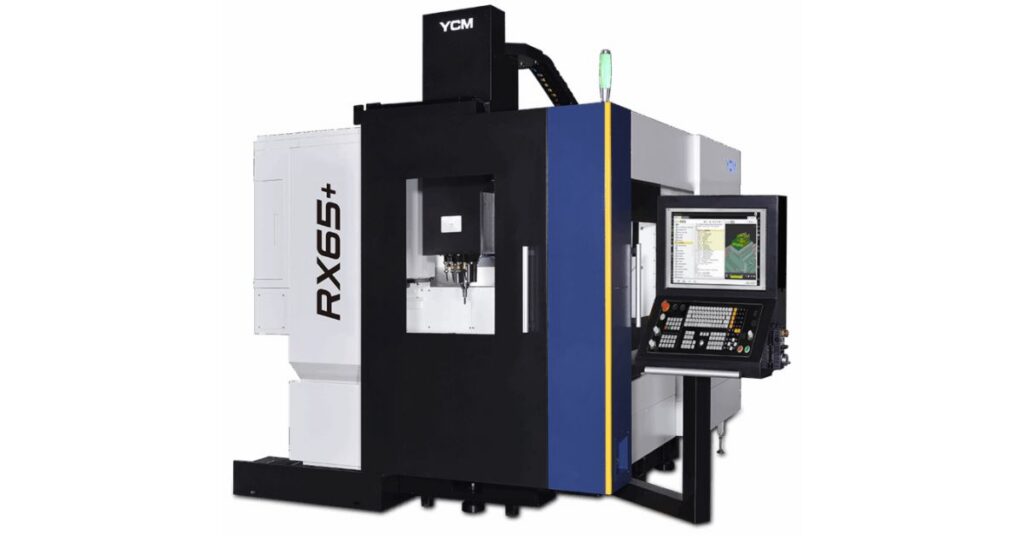
Not every job is a strong fit for 5-axis vertical machining. The best candidates often involve multiple faces, compound angles, tight feature relationships, or complex surfaces. These projects benefit from reduced handling and improved tool access.
Do look for work where the machine can eliminate setups, improve finish, or protect tolerance relationships. A 5-axis CNC VMC can be especially valuable when part quality depends on keeping features aligned from one operation to the next.
Don’t use 5-axis capacity just because it is available. Simpler parts may run more efficiently on 3-axis equipment or turning centers. Matching the project to the right machine keeps advanced capacity available for work that uses it well.
Build a Better Path From Capability to Production
The best 5-axis projects succeed because capability and planning work together. Axis movement alone does not guarantee better parts. Results come from a complete process that connects machine performance, tooling, workholding, programming, training, and inspection.
For manufacturers evaluating dos and don’ts for 5-axis vertical machining projects, the key is to approach each job with purpose. Use 5-axis technology to reduce handling, improve access, and protect quality, but don’t let complexity enter the process without a clear production benefit.
At YCM Alliance, we understand that advanced machining investments must support real production goals. Our 5-axis vertical machining solutions are built around precision, reliability, quality, and long-term performance. If your team is evaluating its next 5-axis project, we invite you to explore the YCM Alliance and see how our machines can support more capable, consistent production.