
Cost Factors in High-Precision Machining Projects
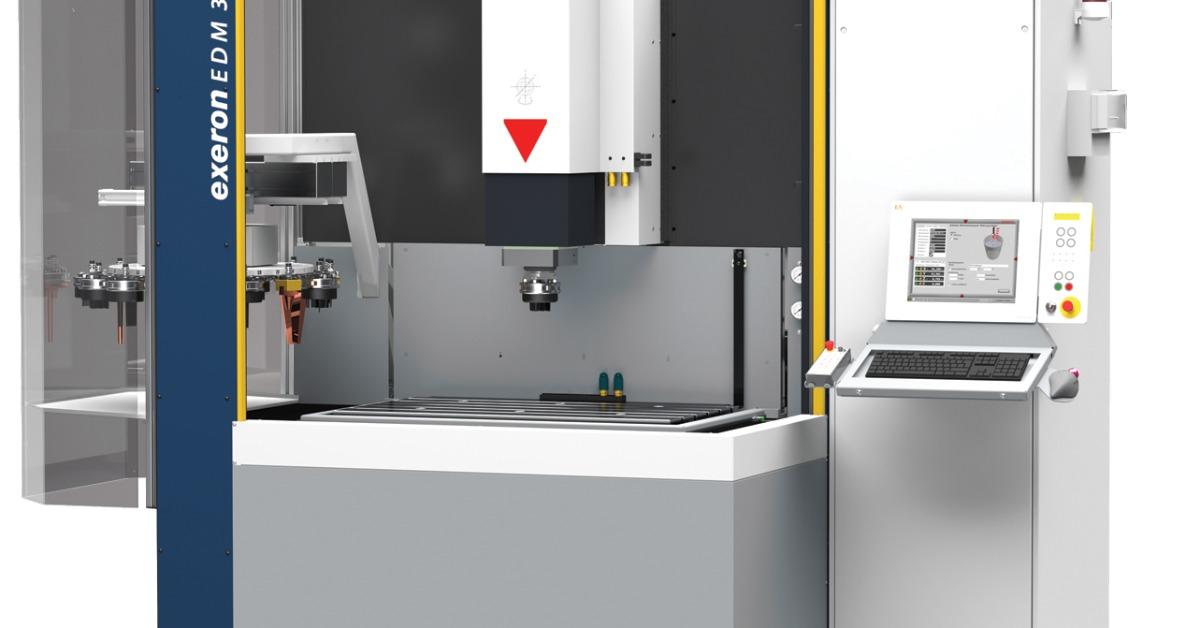
When parts require tight tolerances, complex geometries, specialized materials, and repeatable results, the cost structure changes quickly.
Understanding cost factors in high-precision machining projects helps buyers compare their options more accurately. It also helps teams avoid decisions that lower the purchase price but raise scrap, downtime, or rework costs later. For shops evaluating high-precision machining solutions, the strongest choice is often the one that protects long-term output instead of simply reducing that first expense.
Why Precision Changes the Cost Equation
Precision adds value because it reduces variation. It also adds cost because every step must be controlled more carefully. A standard part may allow a broader tolerance range, while a high-precision part may require tighter control over tool movement, heat, fixturing, inspection, and machine stability.
That added control affects labor, setup time, programming, tooling, and equipment selection. This is why cost discussions should start with part requirements, not machine rates.
Tolerance Requirements Set the Baseline
Tolerance is one of the strongest cost drivers in precision work. A part with extremely tight tolerances often needs a more rigid machine, controlled process, and additional verification.
Tighter tolerances usually affect cost in several ways, such as:
- More detailed programming and setup validation
- Slower or more controlled cutting conditions
- Increased inspection and quality documentation
These steps are not unnecessary overhead. They protect the final part from variation that could cause assembly issues, performance problems, or rejected batches. The key is matching tolerance to function so manufacturers avoid both overengineering and quality risk.
Material Choice Can Raise Machining Demands
Material selection has a direct impact on project cost. Some materials machine quickly, while others generate heat, increase tool wear, or require more conservative feeds and speeds.
Difficult materials often demand specialized tooling and more frequent tool changes. They may also require stronger machine rigidity to maintain accuracy under load. Material cost is only one part of the picture. A less expensive material that machines poorly can create higher scrap costs.
Machine Capability Shapes the True Project Cost
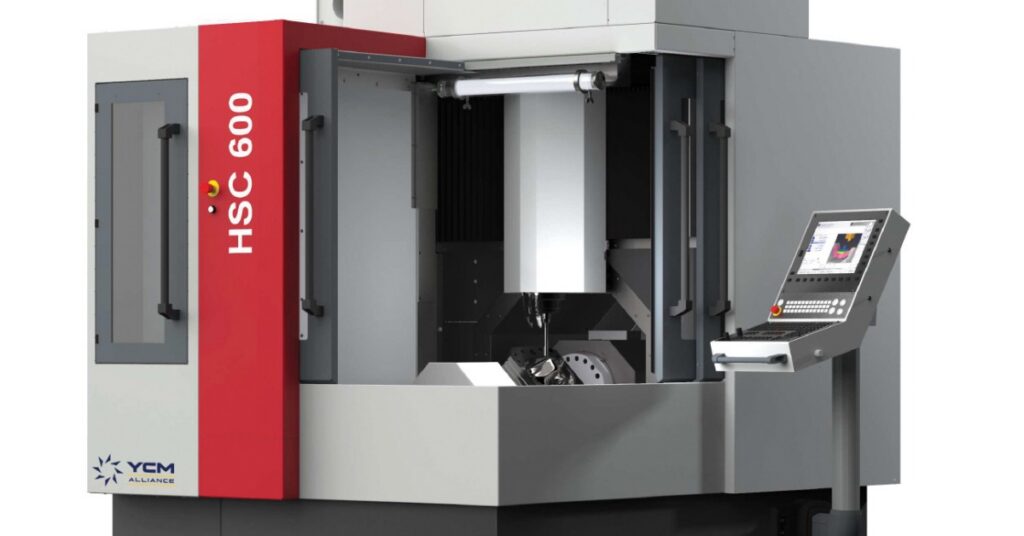
High-precision work depends heavily on machine capability. A machine with poor rigidity, inconsistent spindle performance, or limited thermal stability can turn a demanding project into a costly one. Even if the machine can technically produce the part, it may require more adjustments to hold tolerance.
Strong machine construction supports repeatability. Advanced controls, reliable spindle systems, and stable machine frames help reduce variation across long runs. This matters when evaluating high-precision machining solutions. The lowest-cost process may not deliver the lowest total cost if it increases scrap, slows production, or requires frequent correction.
Setup Time Is Often Underestimated
Setup is easy to overlook because it happens before full production begins. In high-precision machining, setup can be one of the most important phases of the project. Operators must confirm tooling, workholding, offsets, programs, and inspection methods before production can run consistently.
Complex parts often require custom fixtures or careful part orientation. If a component has multiple critical features, the setup must preserve alignment from one operation to the next. Multi-axis machining allows your team to complete more features in one operation, but the machine, program, and fixturing must all support that approach.
Tooling Strategy Affects Finish and Repeatability
Tooling does more than remove material. It influences surface finish, dimensional accuracy, cycle time, and process stability.
A low-cost tool may not be economical if it wears quickly or causes inconsistent results. Tool deflection, chatter, and heat buildup can all affect precision. When tools lose sharpness, parts can drift out of specification before the issue becomes obvious. The right tool strategy can reduce scrap, improve finish quality, and support predictable production.
Inspection and Quality Control Add Necessary Value
Inspection is not just a final checkpoint. In high-precision machining, it is part of the cost of controlling the process. Tight-tolerance parts may require in-process checks, final dimensional reports, surface finish validation, or documentation for customer requirements.
Quality control affects cost through equipment, labor, and time. However, skipping inspection often costs more when rejected parts or delayed shipments occur. A reliable quality plan confirms that the process is stable before problems multiply.
Complexity Can Increase Programming and Cycle Time
Part complexity affects cost even when the material and tolerance remain the same. Features such as deep pockets, thin walls, compound angles, undercuts, and tight internal radii can all raise machining demands. Complex geometry may require additional toolpaths, more careful simulation, and slower cutting conditions.
Several complexity factors can influence the final price, including:
- The number of critical features and datum relationships
- Access limitations that require multi-axis movement
- Surface finish requirements on difficult geometries
Programming time often increases with complexity because toolpaths must protect both accuracy and part integrity. A good program avoids unnecessary motion while maintaining stable cutting. That planning can reduce cycle time once production begins.
Volume Changes the Cost Per Part
Production volume has a major effect on how costs are distributed. A prototype or short run may carry a higher cost per part because setup, programming, and validation are spread across fewer pieces. Larger production runs can reduce the per-part impact of those upfront steps.
However, high volume does not automatically mean low cost. Long runs require consistent tooling, machine uptime, and process control. If the machine cannot maintain accuracy over time, attempts to produce at a higher volume can translate to more scrap instead of greater efficiency and ultimately defeat the point.
Downtime and Reliability Belong in the Budget
Machine downtime is one of the most expensive hidden cost factors. A project can be quoted accurately and still become costly if equipment interruptions delay production. Downtime affects labor scheduling, delivery commitments, and customer confidence.
Reliable machines support better cost control because they keep production moving. They also reduce the need for emergency maintenance and unexpected process changes. Buyers should consider equipment longevity, service access, and support when evaluating project cost.
Balancing Cost, Risk, and Long-Term Value
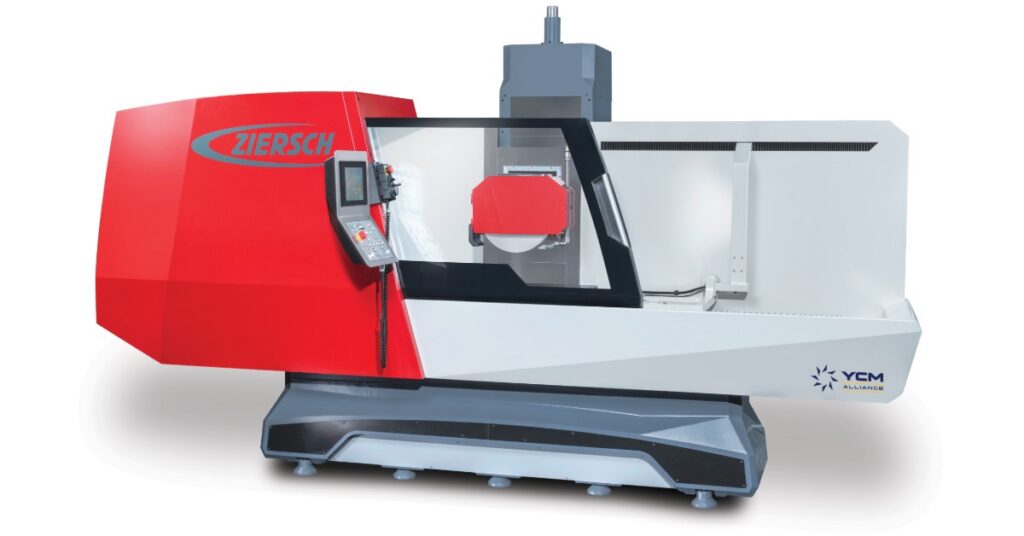
The best machining decision is rarely based on the lowest individual cost. It is based on the relationship between cost, risk, and performance. A cheaper process may look attractive until it increases scrap, slows inspection, or causes machine interruptions.
Manufacturers can make better cost decisions by asking three questions:
- Which tolerances are critical to part function?
- Where could scrap or rework create the greatest loss?
- What machine capabilities are needed for stable production?
These questions help teams separate necessary precision from unnecessary expense. They also make it easier to compare high-precision machining solutions based on total value instead of purchase price alone.
Where Precision Pays Off
High-precision machining projects carry costs because the work demands control, consistency, and reliable equipment. Tolerance requirements, material behavior, tooling, inspection, setup, complexity, volume, and uptime all shape the final investment.
Understanding cost factors in high-precision machining projects helps manufacturers plan smarter and protect long-term production results. When the right machine supports the right process, precision becomes a source of value rather than uncertainty.
At YCM Alliance, we build our approach around dependable machining performance, application-based solutions, and long-term production support. If your team is evaluating high-precision machining solutions, we invite you to explore YCM Alliance’s machines and see how our systems can support accuracy, reliability, and lasting value across your operation.