
Surface Grinding vs. Rotary Grinding: Which Fits?
When a part comes off the mill, it may look flat enough to go straight into assembly. Then an inspection reveals a slight height variation that could interfere with mold closure or with a fixture sitting square. Grinding gives shops finer control over critical dimensions and surface finish.
Table movement changes how a grinder approaches the workpiece, which affects setup and production flow. Understanding the differences between surface and rotary grinding can help you match the machine to the parts your customers need.
Start With the Basics
Both methods use abrasive wheels to remove material from a workpiece. The spinning wheel cuts tiny chips as the workpiece moves through the grinding zone, helping the shop control thickness and create accurate faces.
Rotary surface grinding belongs to the broader surface-grinding family. In everyday shop conversations, people often use surface grinding to mean a conventional machine with a back-and-forth table. Rotary grinding usually describes a grinder with a rotating worktable.
How Reciprocating Grinding Works
A conventional surface grinder carries the workpiece along a straight path beneath an abrasive wheel. The table travels back and forth while the machine feeds the wheel across the part in overlapping passes.
Many surface grinders use horizontal spindles, which bring the outer edge of the wheel into contact with the workpiece. The relatively narrow contact area gives operators control over detailed surfaces, including steps and shoulders. A shop can also dress the wheel to create certain profiles when the setup supports that operation.
Reciprocating machines offer flexibility for job shops that handle changing part designs. A rectangular chuck works naturally with mold plates or long machine components, although each grinder has its own travel limits.
How Rotary Grinding Works
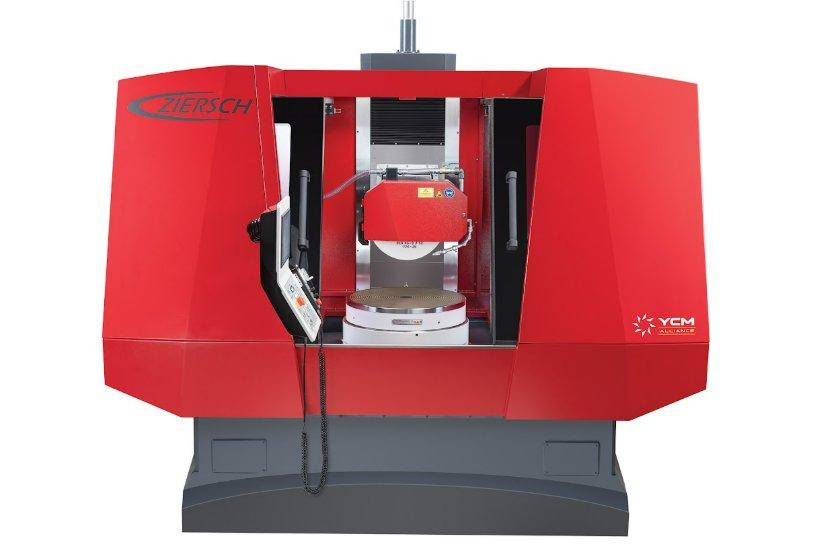
Rotary grinding changes the motion beneath the wheel. A circular table turns continuously, carrying the workpiece through the grinding zone as the abrasive wheel removes material. The setup can suit circular components, including rings and discs, that benefit from repeated coverage around their diameter.
Shops can sometimes place several smaller components on one rotary chuck. The table brings each part beneath the wheel during every revolution, potentially reducing handling across a production batch. The layout still requires secure workholding and enough clearance for every component.
Not every rotary grinder uses the same spindle design. Some machines grind with the wheel’s outer edge, while vertical-spindle designs use its face. Wheel contact and machine power influence material removal, so table rotation alone doesn’t guarantee a faster cycle.
Consider the Part Shape
Part geometry offers a practical starting point. A long, rectangular plate often fits naturally on a reciprocating table, especially when the job involves grinding a precise reference face. Smaller tooling components with steps may also benefit from the flexibility of a horizontal-spindle arrangement.
Rotary machines often appeal to shops producing round workpieces with broad faces. A circular table makes sense for a ring or valve plate, and a suitable fixture may support batches of smaller parts. However, the chuck diameter doesn’t automatically tell you how much usable grinding space the machine provides.
Review the full part envelope, including any clamps that rise above the surface. The wheel must reach the required areas without hitting the fixture.
Compare Surface Finish
A smooth appearance doesn’t automatically mean that a part meets its print. Surface roughness describes the fine texture left by the abrasive, while flatness describes how closely the finished face follows a plane. Parallelism addresses the relationship between two opposing faces. A buyer should identify which requirement controls acceptance.
Reciprocating grinding commonly creates a directional finish as the wheel moves along the workpiece. Rotary-table machines produce a different surface pattern, depending on spindle orientation and wheel contact. Neither pattern automatically meets a customer’s roughness specification.
Wheel grit and dressing condition influence the finish on either machine. When surface texture affects a seal or sliding contact, discuss the required finish with the machine supplier before comparing sample parts.
Think About Stock Removal
Production schedules often make removal rate a priority. Some vertical-spindle rotary grinders use broad wheel-face contact to remove substantial material from large surfaces.
However, rotary motion doesn’t always mean heavier cuts. Horizontal-spindle rotary machines work through a different contact area, and a well-matched reciprocating grinder may outperform an unsuitable rotary model. Actual cycle time depends on the abrasive wheel and the material, along with the amount of stock.
Consider how much material the process must remove before the final finishing passes. A machine that clears excess stock quickly may still need extra passes to meet a demanding surface specification. Compare the complete cycle, not the fastest cut.
Watch Heat and Workholding
Grinding creates heat where the wheel contacts the metal. Excessive heat can damage a surface or change a part’s dimensions, particularly when a shop uses aggressive cuts. Good coolant delivery and timely wheel dressing help operators manage that risk.
Workholding deserves equal attention. Magnetic chucks offer convenient holding for suitable ferrous materials, but nonmagnetic workpieces require mechanical fixtures or another clamping method. Thin parts can also bend against a chuck and change shape after release, even when the grinder produces a clean finish.
Balance Setup and Throughput
A grinder’s cycle time tells only part of the productivity story. A reciprocating machine can work well when operators change jobs frequently or handle one-off tooling. Its rectangular layout and flexible pass control can simplify certain setups.
A rotary table may offer advantages when a shop repeats a family of compatible parts. The operator might arrange multiple components on the chuck and finish them in one cycle. However, loading and checking those parts still take time, and a crowded fixture can reduce the expected savings.
Look Beyond the Price
Grinding accuracy depends on mechanical stability over time. A rigid base helps limit vibration, while dependable guideways support controlled movement. Reliable wheel dressing reduces interruptions and helps maintain consistent cutting conditions.
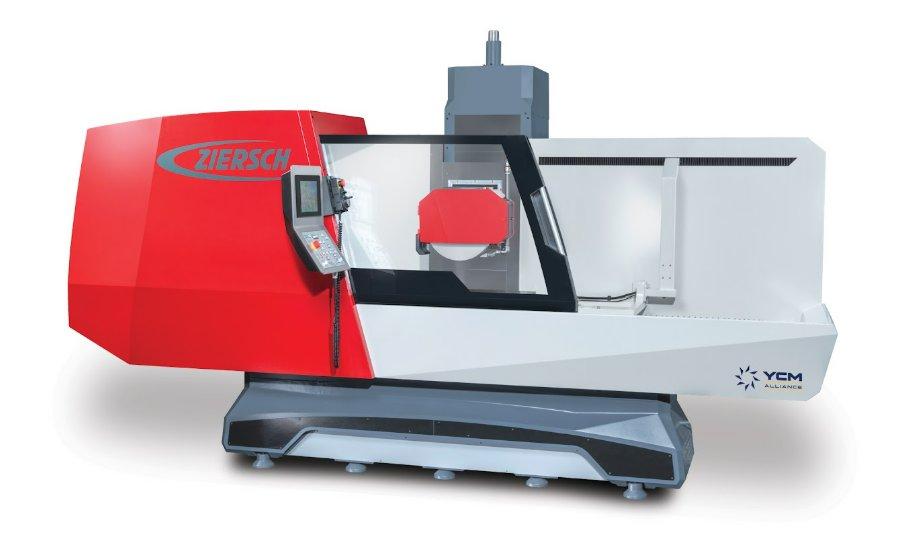
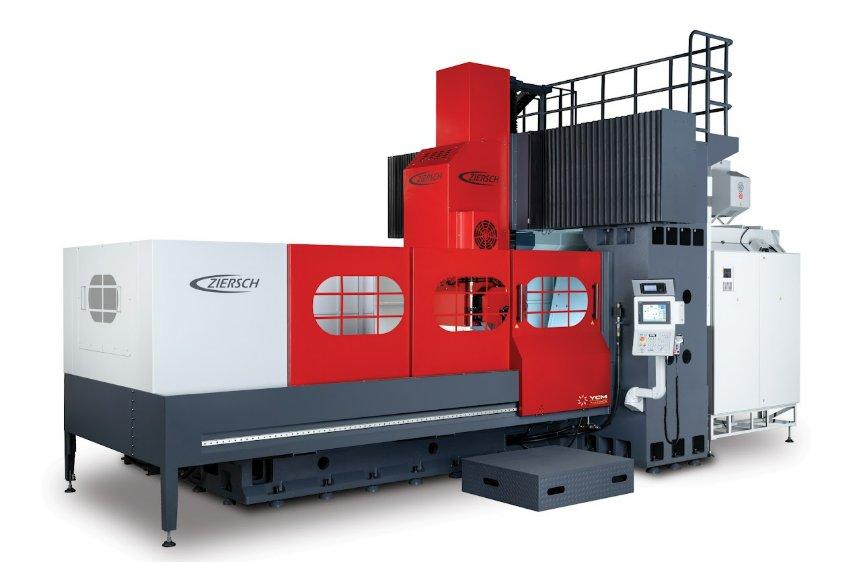
At YCM Alliance, we offer the Ziersch Surface Grinder Series for reciprocating-table applications and the Ziersch Rotary Table Grinder Series for circular-table work. Our listed surface grinder models cover maximum part sizes from 400 by 250 millimeters to 1,500 by 800 millimeters. The rotary series includes models with magnetic chuck diameters from 500 to 1,000 millimeters.
Both series feature cast-iron construction and automated grinding and dressing cycles. We can help buyers review these features alongside the demands of their own parts. A lower purchase price offers little comfort if downtime interrupts an important production run.
Find Your Best Fit
When weighing surface grinding vs. rotary grinding, start with the parts your shop makes most often. Reciprocating grinding gives mixed-part job shops flexibility for flat faces and detailed features, while rotary grinding often suits round components and repeat production. Compare both methods against your actual part drawings before choosing a machine.
Before making a decision, review a representative workpiece with the supplier and discuss the finish your customer expects. Account for workholding and the time between loading a part and completing inspection. YCM Alliance can help you compare grinding solutions with long-term reliability in mind, so your next machine earns its place on the shop floor.