
Pros and Cons of Buying Used CNC Equipment
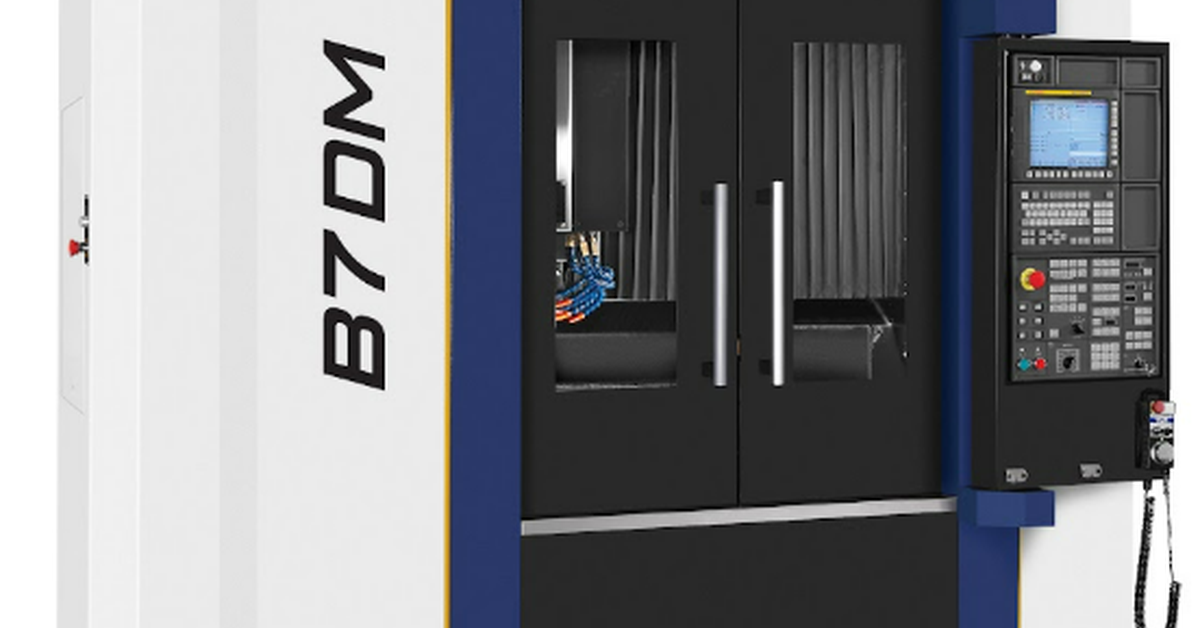
An attractive price tag can make a secondhand machining center seem like an easy win. For a growing shop, the chance to add capacity without paying for a brand-new machine is appealing. But one unexpected spindle repair can erase a significant portion of those savings. The smarter purchase depends on what the equipment can reliably produce once it reaches your floor.
Buying used CNC equipment brings worthwhile advantages alongside some serious trade-offs. Before committing, you should weigh the pros and cons of purchasing used CNC equipment. A little preparation can prevent a bargain from becoming a costly bottleneck.
Pro: Lower Upfront Investment
Price is the most obvious advantage of used equipment. A previously owned machine often costs less than a comparable new model, leaving more room in the budget for tooling or other shop improvements. Smaller manufacturers may appreciate the chance to expand without tying up as much capital.
Still, compare machines with similar capabilities. A low-priced three-axis mill won’t replace a five-axis center when the work requires simultaneous rotary motion. The purchase makes financial sense only if the machine can complete your intended jobs at an acceptable cost per part.
Con: Faster Access to Capacity
Some used machines offer shorter acquisition times because the seller already has the equipment available. When a shop needs another spindle to meet incoming orders, avoiding a lengthy factory lead time can be valuable.
Availability doesn’t automatically mean immediate production. The buyer still needs transportation and professional installation. A machine may also require repairs or calibration before producing the first acceptable part. Confirm the seller’s release schedule and calculate when your team could realistically begin cutting.
Pro: Familiar Controls and Tooling
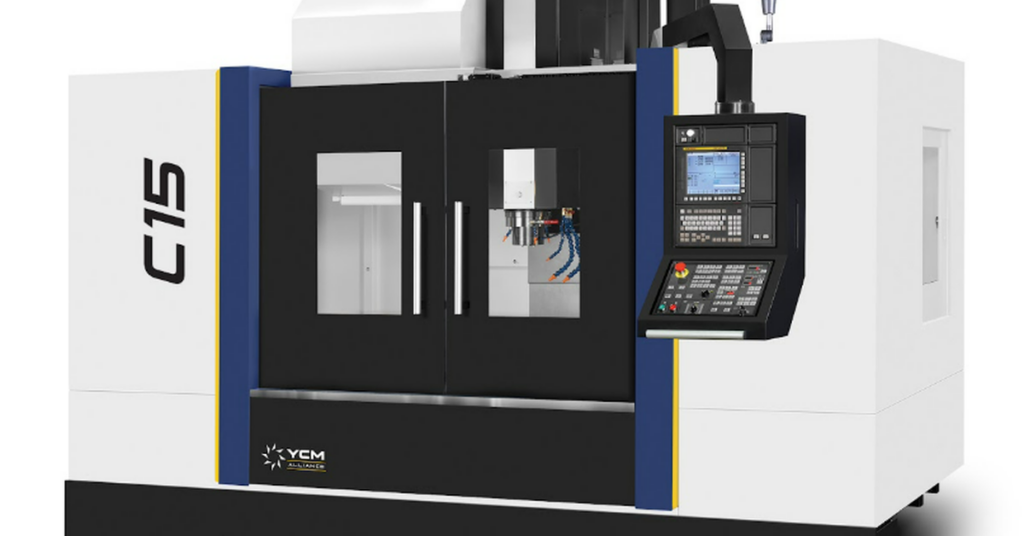
A used machine can fit naturally into an established shop when its controls and tooling match the equipment your operators already know. Familiar programming practices may shorten training, while compatible toolholders could reduce the need for additional purchases.
For example, a shop with several similar vertical machining centers may benefit from adding another machine in the same family. The team still needs to verify the controller versions and installed options. Two machines with similar names can differ significantly in their available functions.
Con: Unknown Maintenance History
One major disadvantage involves what previous owners did with the machine. A clean exterior can’t reveal neglected lubrication or a history of heavy cutting. Even a relatively young machine can develop problems when operators skip maintenance.
Ask for service logs and documentation of major repairs. Review operating hours if the control records them, but don’t treat the number as a complete measure of condition. How the previous shop maintained the equipment deserves just as much attention as how long it ran.
If the seller can’t explain the machine’s history, factor that uncertainty into your decision. You may need a more thorough inspection and a larger repair allowance.
Con: Wear and Lost Accuracy
Precision depends on the condition of mechanical components. A worn ball screw can introduce backlash, while spindle problems may affect runout and surface finish. Those issues become expensive when customers demand tight tolerances.
Don’t assume that a successful startup proves the machine can cut accurate parts. Ask a qualified technician to measure positioning performance and examine the spindle. A test cut on a representative workpiece can reveal problems that an idle demonstration misses.
Pay attention to repeatability after the machine warms up. A machine that produces one good part may still struggle across a longer run.
Con: Outdated Control Technology
Older CNC controls may perform basic operations reliably, but they can limit a shop’s future plans. Some lack the communication features or programming functions that newer workflows require. In other cases, an aging controller may create difficulties when replacing electronics.
Before buying, check compatibility with your existing CAM software and postprocessors. Ask whether the control supports the machining cycles your parts require. A retrofit might help, but its cost and downtime could change the economics of the purchase.
Con: Parts and Service Availability
A machine’s age can complicate repairs even when its mechanical condition looks good. Manufacturers may discontinue certain control boards or other proprietary components. Limited parts availability can turn a manageable failure into an extended production interruption.
Confirm whether technicians in your area service the specific model and control generation. Ask about replacement components before money changes hands. If your business depends on that machine every day, a cheap purchase with uncertain repair support carries substantial risk.
The Full Ownership Cost
The asking price tells only part of the financial story. Rigging and freight add costs before the machine reaches your building. Electrical preparation or new workholding may further increase your initial investment.
Plan for inspection and commissioning as well. Some sellers offer limited warranties, while others sell equipment as-is. Read the agreement carefully and clarify who pays if the machine arrives with a defect.
Compare the total installed cost with a new machine quote. Include expected maintenance and potential downtime over the period you plan to own the equipment. A lower initial payment doesn’t always create lower long-term costs.
Inspect Under Power
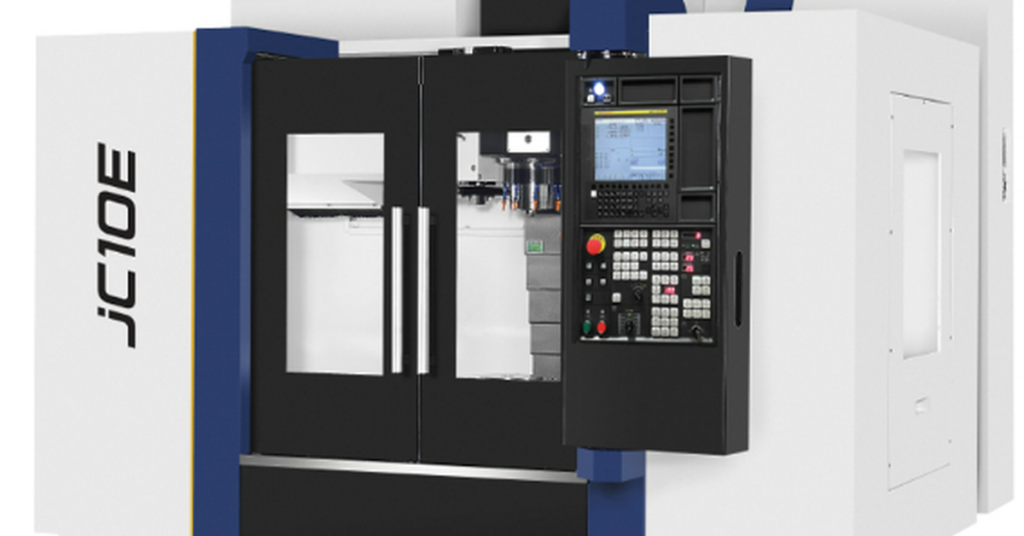
Whenever possible, examine the machine while it operates. Watch the axes move and listen for unusual spindle noise. Have a qualified technician assess mechanical condition and verify that safety systems function correctly.
A proper inspection should also cover the tool changer and coolant system. Review fault history and request copies of essential documentation, including the control parameters. If the seller won’t permit meaningful testing, consider whether the uncertainty justifies proceeding.
Ideally, run a sample part that reflects your typical work. Check its dimensions after cutting, not merely the machine’s display. Results from a realistic trial provide stronger evidence than attractive listing photos.
Match the Machine to Your Work
Begin with the parts you expect to produce during the next several years. Compare travel limits and spindle capability with your largest jobs. For turning equipment, review chuck capacity and available tooling configurations.
Consider your production mix, too. A dependable older machine may serve occasional overflow work well, while high-volume production could place greater demands on uptime. The right decision depends on the workload, not simply the machine’s age.
When Buying New Makes Sense
New equipment deserves consideration when your shop needs capabilities that older models lack. Modern controls may simplify complex machining, and current machine designs can support more efficient setups. A new purchase also offers a clearer starting point for maintenance planning.
A knowledgeable CNC machine supplier can help you compare specifications with actual job requirements. At YCM Alliance, we work with machine tool dealers to provide application-based machining solutions and support. Our focus on precision and reliability helps manufacturers weigh long-term performance alongside acquisition cost.
Choose Long-Term Value
Understanding the pros and cons of buying used CNC equipment helps shops determine whether potential savings justify the risks. Worn components or limited service access can quickly undermine an appealing price. A careful inspection and realistic ownership budget help buyers separate genuine opportunities from avoidable expenses.
Before deciding, compare how each machine will perform during the workweek, not just how much it costs today. YCM Alliance can help you explore new machining solutions that support dependable production and your shop’s next stage of growth.