
Die Mold CNC vs. Conventional Machining: Which Wins?
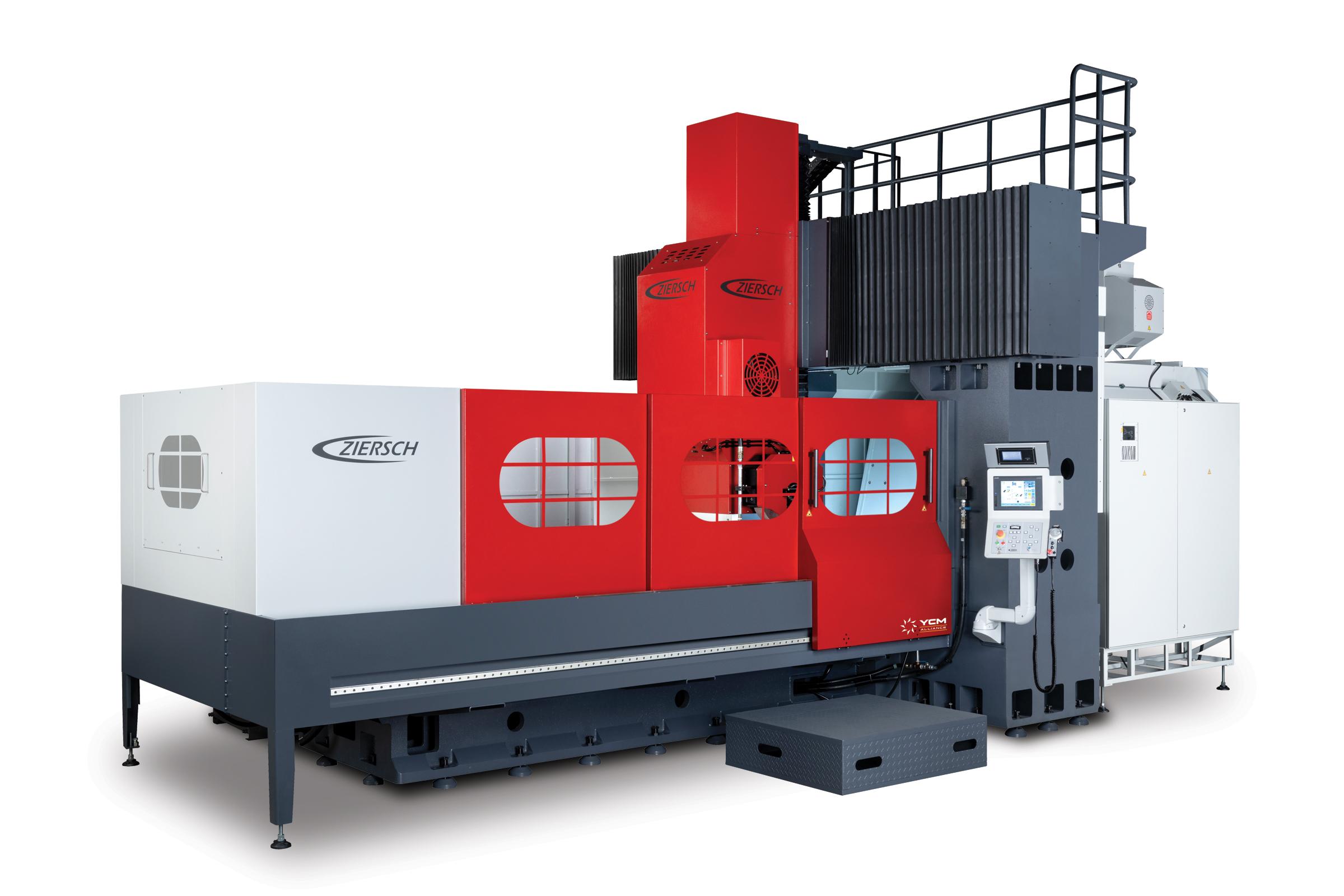
Manufacturers evaluating die mold machining often want a clear winner between CNC technology and conventional machining. The better answer depends on the mold, the production environment, and the risks tied to quality, timing, and repeatability.
This guide looks at die mold CNC compared to conventional machining through a practical lens. Let’s take a look at where each method fits and how manufacturers can choose the right approach.
Where Conventional Machining Still Earns Its Place
Conventional machining relies on skilled manual control and hands-on adjustment. In the right setting, that flexibility can help manufacturers solve problems quickly without building a full CNC program.
For die mold work, conventional machining may fit small modifications, one-off repair tasks, or support operations around the main mold build. A machinist can inspect a condition, make a controlled adjustment, and verify the result without moving through a more formal programming workflow.
This approach works well when the geometry is simple and the risk of variation stays low. It also supports older molds or limited work that does not demand advanced toolpath control.
However, conventional machining depends heavily on operator skill. A highly experienced machinist can produce excellent results, but repeatability becomes harder to protect when multiple people, shifts, or setups enter the process.
Where CNC Changes the Decision
CNC machining changes die mold production by turning complex work into a controlled, repeatable process. Once programmers define toolpaths and cutting strategies, the machine can reproduce those instructions consistently.
This does not remove the need for skilled workers. Instead, it changes where their expertise matters. Programmers, operators, and applications specialists focus on process planning, tool selection, verification, and continuous improvement rather than manual motion at the machine.

Comparing the Methods by Production Risk
The strongest way to compare CNC and conventional machining is to look at risk. Die molds often carry high material costs, long lead times, and strict performance expectations. A small mistake can create rework that disrupts both mold delivery and downstream production.
CNC machining reduces overall risk by improving process control. Conventional machining can still deliver value, but the results depend far more on individual technique. Before choosing a method, manufacturers should consider:
- How much variation the mold design can tolerate
- How often the same feature or insert must be repeated
- How costly rework would become if an error reaches trial or production
Die mold success depends on more than making a cavity match a print. The mold must release parts properly, maintain alignment, and hold up under production use.
When those outcomes depend on precise geometry, CNC usually has the advantage.
Complexity Often Determines the Winner
Mold complexity changes the economics of the decision. A simple plate, support block, or basic repair may not need advanced CNC capacity. In those cases, conventional machining can provide efficient results when the operator has the right experience.
Complex cavities, angled features, fine details, and multi-surface transitions create a different challenge. These features require smooth tool movement and careful cutter engagement. CNC machining brings consistency to those variables.
Multi-axis CNC equipment can also reduce the number of times a mold component needs repositioning. Every repositioning step introduces the chance for alignment error. Reducing that handling protects dimensional accuracy while shortening the path from setup to finished feature.
This is where CNC can win without relying on speed alone. The value comes from controlling complex work with fewer chances for drift, mismatch, or manual inconsistency.
Cost Calculations Should Include More Than Machine Time
Conventional machining can look less expensive when buyers focus only on hourly rates or initial setup effort. For straightforward jobs, that may be true. The calculation changes when a mold feature requires several manual setups, inspection cycles, or corrective passes.
CNC machining may require more planning at the beginning. Programming, fixturing, and toolpath strategy all take time. However, that upfront work can pay off when the job involves complex geometry or repeat production.
When costs are a major element of decision-making, it’s important to consider the full picture in terms of each options’ financial value. A more complete cost comparison should include factors such as:
- Programming and setup time
- Inspection, polishing, and rework requirements
- Downtime risk if mold delivery slips
The lowest-cost method is not always the one with the shortest initial setup. In die mold machining, the stronger choice is typically the one that reduces uncertainty—and risk—across the full job.
Choosing the Right Path for Your Mold Program
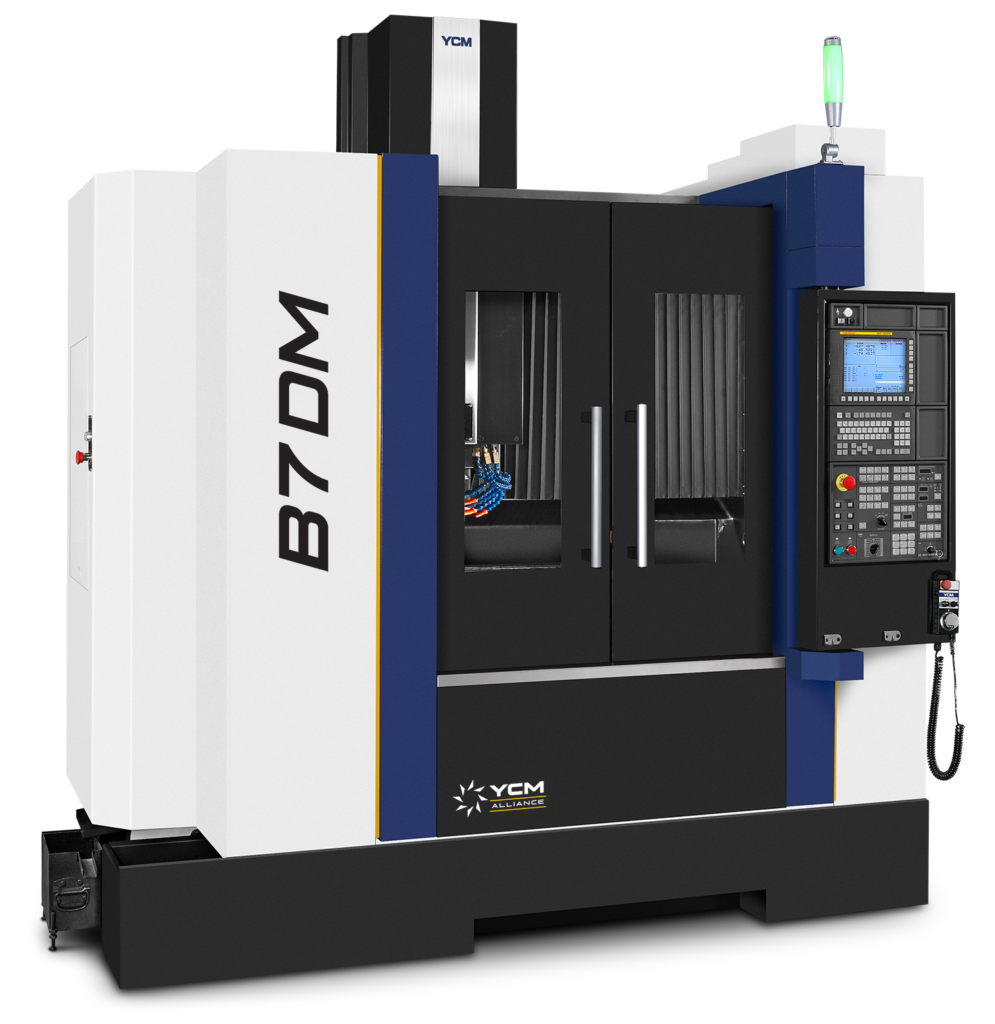
The better strategy for choosing between CNC and conventional machining is to match the method to the part of the mold program where it creates the most value.
CNC should lead when the work involves complex geometry, repeatable inserts, tight tolerance features, or surfaces that affect finished part quality. Conventional machining may still support repairs, simple components, or controlled manual fitting where flexibility matters more than automation.
Before committing to a method, teams should ask:
- Does this feature require repeatability beyond one mold build?
- Will manual variation create risk during trial or production?
- Can better machine capability reduce downstream finishing or correction?
These questions help manufacturers move beyond a generic answer and find a solution tailored to their unique shop needs.
A Smarter Solution for Your Team
So, which wins? For most modern die mold machining programs, CNC will deliver the highest value thanks to its control over complex geometry, repeatability, and production risk. However, conventional machining still has a place in selected support roles where skilled manual adjustment solves a contained problem efficiently.
When shops evaluate die mold CNC compared to conventional machining, they should focus on lifecycle value instead of a single operation. A mold that machines efficiently but creates problems during trial has not truly saved money. A process that protects accuracy, surface quality, and repeatability can support better production results over time.
If your team is evaluating machine capability for die mold machining, we can help you identify equipment built for precision, rigidity, and long-term reliability. Connect with the YCM Alliance to explore machines that support your production goals and help your operation move from complex mold requirements to consistent results.