
How CNC Turning Centers Improve Manufacturing Efficiency
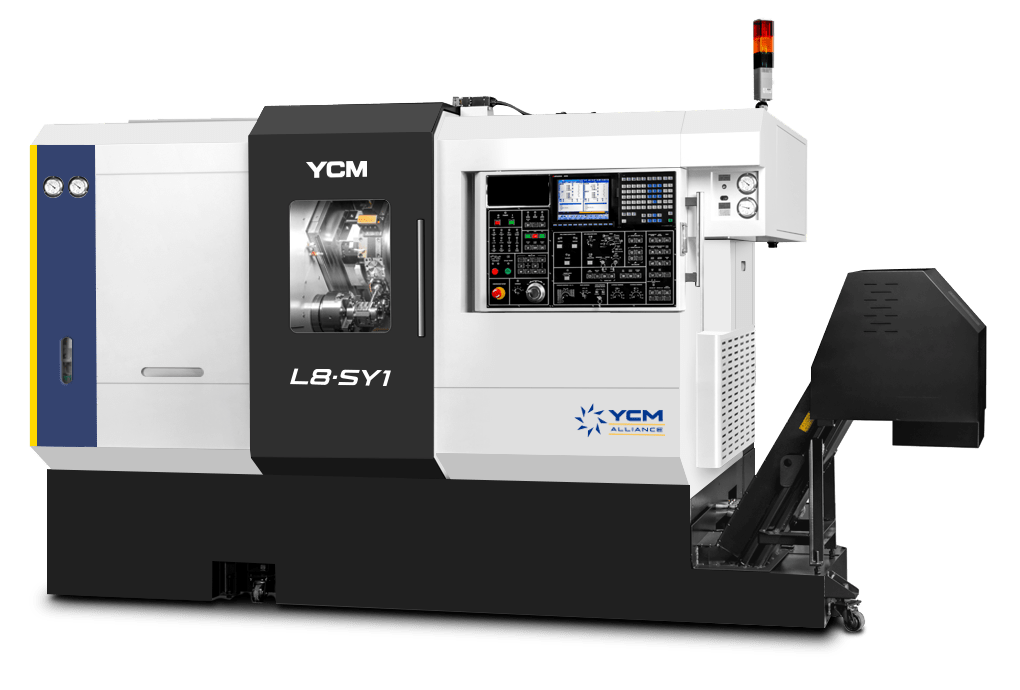
A busy turning department does not need more movement; it needs better control over every minute at the spindle. How CNC turning centers improve manufacturing efficiency starts with that simple production reality. When the machine runs with steady accuracy, operators spend less time chasing variation and more time protecting output. The result is a cleaner workflow that helps shops meet tighter schedules without weakening quality.
Key Ways CNC Turning Centers Improve Manufacturing Efficiency
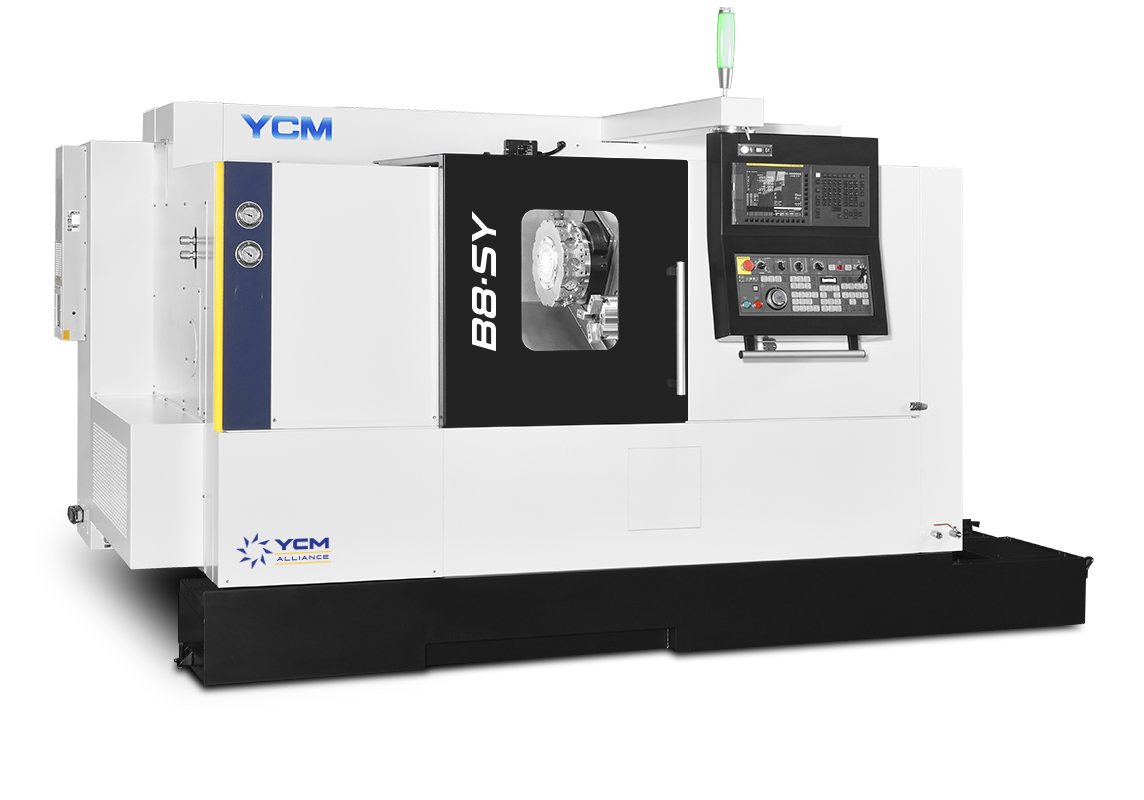
CNC turning centers improve efficiency by turning repeatable work into a controlled, measurable process. For many shops, modern lathe machines with CNC capability help operators maintain steady production with fewer manual adjustments.
Faster Cycle Times Through Advanced Automation
Cycle time improves when the machine performs programmed actions consistently from the first part to the last. CNC turning centers support automatic tool changes and precise feed rates, reducing hesitation between cuts. The benefit is not simply speed for its own sake. A stable automated cycle allows the shop to produce more parts during available machine hours without forcing operators to rush decisions.
Consistent, Repeatable Precision That Reduces Scrap
Precision affects efficiency because every rejected part consumes material and machine time. CNC turning centers follow the same programmed path during each cycle, so dimensional variation stays tighter when the setup is sound. Rigid construction supports limit vibration during cutting. Over the long run, repeatability protects the margin because fewer parts need inspection-driven correction.
Multi-Operation Capability Minimizes Setup Time
Setup time increases when a part moves from one machine to another. CNC turning centers with added machining capability reduce handoffs by completing more work in a single setup. A shop might turn the outside diameter and prepare a secondary detail before the part leaves the chuck. Each avoided transfer reduces the chance of alignment error and shortens the path from raw stock to finished component.
Improved Throughput With Automated Material Handling
Throughput improves when material keeps reaching the spindle without constant operator intervention. Bar feeders and robotic loading systems ensure turning centers maintain a steadier rhythm across the shift. The machine still needs skilled oversight, but the operator is not tied to every load and unload event. Better flow gives the team more room to supervise quality and prepare upcoming work.
Better Tool Life Management and Predictive Maintenance
Tool life directly impacts uptime. CNC controls help operators track tool usage, apply offsets, and plan replacements before wear creates a quality issue. Maintenance planning follows the same logic. When a shop monitors machine condition and service intervals, downtime shifts from a production surprise to a managed event, which protects schedules and customer commitments.
Efficiency Gains That Directly Affect the Bottom Line
Efficiency gains create the most value when they improve the shop's financial performance. A well-matched CNC turning center reduces hidden production costs that quietly accrue over the course of a run.
Lower Labor Costs Without Reducing Workforce
A CNC turning center does not remove the need for skilled people. It helps those people manage more valuable work. Once the program and setup are proven, the operator shifts attention toward process control and job coordination. Higher-value use of labor supports growth by increasing useful capacity.
Reduced Scrap and Rework Costs
Scrap and rework create costs that are easy to underestimate. Material waste is only one part of the problem because a rejected part has already consumed setup effort and inspection attention. CNC turning centers reduce that exposure through stable cutting conditions and repeatable motion. Better first-pass quality helps the shop protect profit on demanding work.
Faster Lead Times Improve Customer Satisfaction
Lead time improves when the production path grows more predictable. A turning center that holds tolerance and runs dependable cycles assists planners in quoting timelines with greater confidence. Customers notice that reliability because it affects their own schedules. Over time, consistent delivery strengthens the relationship beyond the single purchase order.
When Upgrading to a CNC Turning Center Makes Sense
An upgrade makes sense when the current process limits capacity, quality, or scheduling control. The warning signs usually appear as repeated bottlenecks during turning operations or excessive time spent correcting finished parts. A shop might reach a point where older equipment still runs but no longer meets the tolerances or volumes required by newer work. At that stage, the purchase decision should focus on total production value, not only the machine price.
Choosing the Right CNC Turning Center for Maximum Efficiency
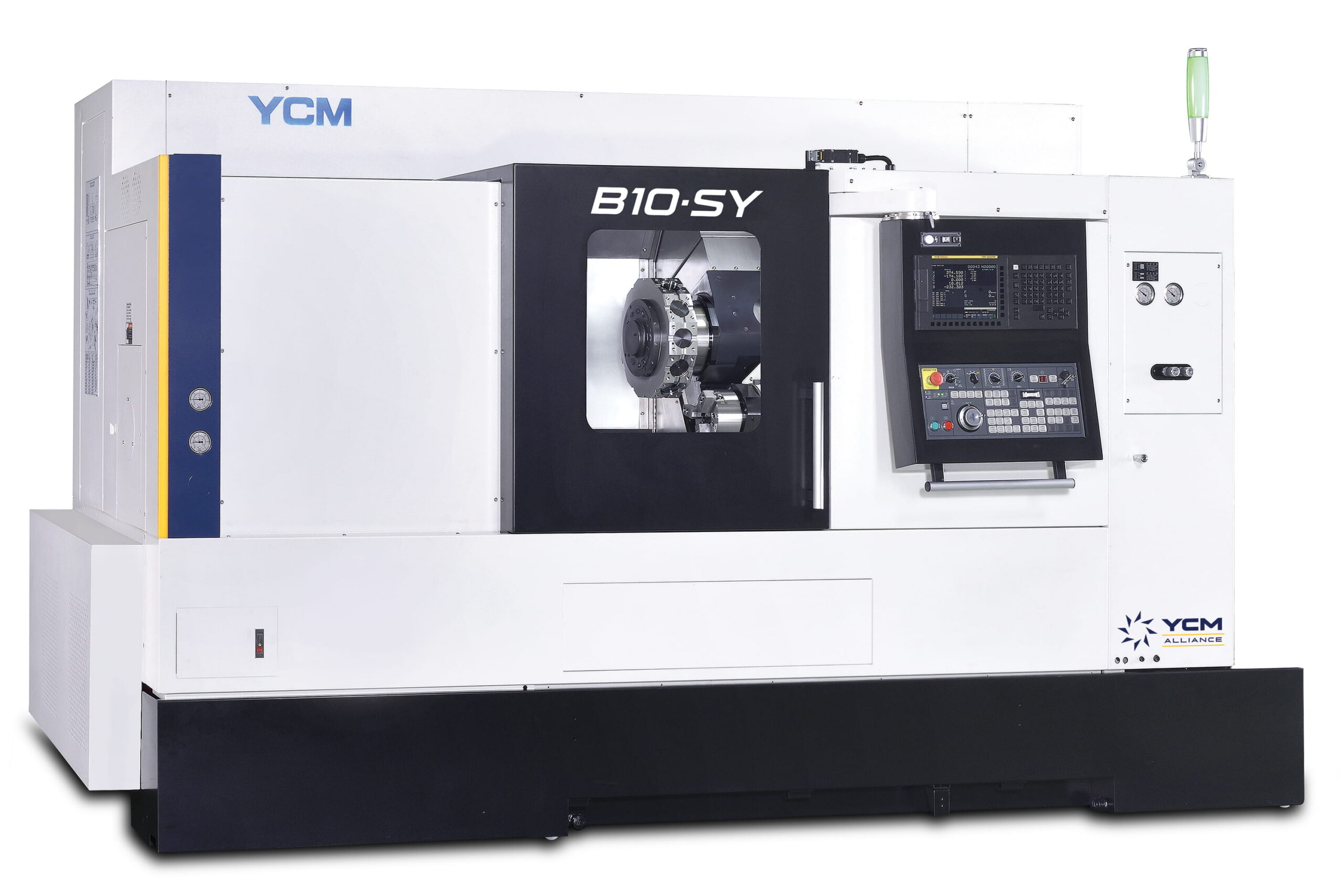
Choosing the right machine starts with a clear understanding of the work the shop needs to produce. The best fit supports current production needs while leaving room for future job requirements.
Machine Size and Capacity
Machine capacity affects both performance and flexibility. A turning center needs enough turning length and spindle capacity to handle the intended parts without pushing the machine beyond its practical range. Oversizing wastes floor space and budget. Undersizing creates strain that limits efficiency from the start.
Axis Configuration and Live Tooling
Axis configuration determines how much work the machine can complete in a single setup. Live tooling expands turning work by adding milling-style operations inside the same platform. For parts with cross-holes or face details, the correct configuration reduces the need for secondary handling. Greater capability should still align with real-part demand so that the investment supports daily production.
Automation Compatibility
Automation compatibility influences how the machine grows with the shop. A turning center that integrates with feeders or part-collection systems gives managers room to expand unattended production. The best fit depends on the run length and part-handling needs. Planning for automation early protects the machine's value as demand changes.
Software and Control Systems
Controls shape how easily the team adjusts and monitors production. A clear control interface reduces avoidable delays during setup, so operators can respond quickly when a job needs adjustment. Software compatibility supports smoother movement from programming to production. Strong control systems protect efficiency by making the machine easier to use.
What Efficiency Looks Like in Practice
In practice, efficiency looks like steadier production with fewer interruptions. Parts move through the process with less handling, operators make better use of their time, and managers gain stronger control over schedule risk. YCM supports that kind of progress with CNC machine tools known for precision, rigidity, and reliability, along with application-based systems and ongoing support. For manufacturers evaluating their next turning investment, we connect machine capability with real production goals.
The clearest takeaway is how CNC turning centers improve manufacturing efficiency. A well-matched turning center improves the daily rhythm of production, thereby strengthening quality and protecting long-term value.