
Maintenance Tips for Machined Dies and Molds
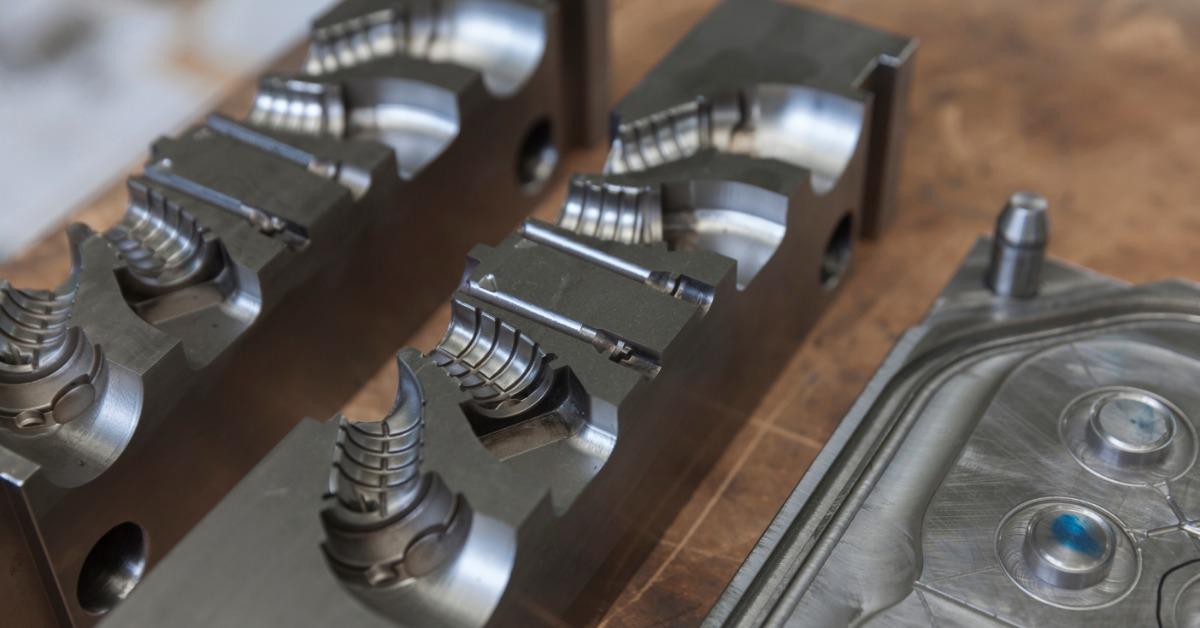
Machined dies and molds carry a demanding workload. Every production cycle exposes precision surfaces, moving components, cooling passages, and alignment features to heat, pressure, friction, residue, and repeated contact. When maintenance slips, small wear patterns can grow into flash, burrs, surface defects, dimensional changes, longer setup time, or unexpected downtime.
A consistent maintenance routine helps shops protect the accuracy built into each tool. Good care also gives technicians a clearer view of wear before a damaged component interrupts production. The best approach combines regular cleaning, close inspection, proper lubrication, corrosion control, and useful maintenance records. Check out these maintenance tips for machined dies and molds.
Clean After Production
Start maintenance with a clean tool. Resin, metal fines, oil, dirt, and process residue can hide scratches, deposits, wear, or damage, so technicians need a clear surface before they evaluate condition. Use a cleaner that suits the tool material and the residue, then remove contamination from cavities, cores, inserts, parting surfaces, vents, and accessible pockets.
Avoid aggressive cleaning methods that can change a finished surface or round a critical edge. Soft brushes, lint-free wipes, and suitable solvents give technicians more control around precision features. After cleaning, dry the tool completely before lubrication, corrosion protection, or storage.
Inspect Wear Early
A visual check can catch many problems before production reveals them through scrap. Look closely at parting surfaces, shutoffs, inserts, ejector components, leader pins, bushings, punches, cutting edges, and other contact points. Search for galling, scoring, chips, burrs, cracking, uneven wear, or residue that returns in the same location.
Technicians should also compare critical dimensions and surface conditions with known tool requirements when wear appears. A small change at a shutoff or cutting edge can alter how the tool performs during the next run. Early correction can keep a minor repair from growing into a longer tool-room job.
Lubricate Moving Components
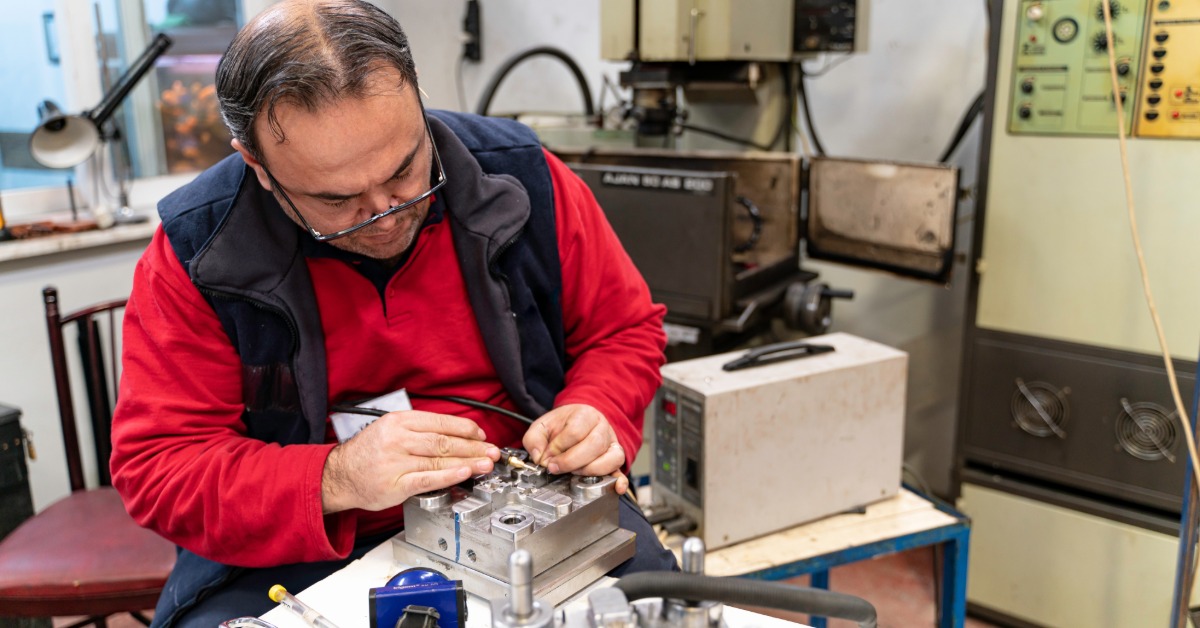
Moving and sliding components need the right lubricant in the right amount. Ejector pins, slides, guide components, and other wear points can develop friction when lubrication breaks down, or contamination enters the contact area. Clean the lubrication point first, then apply a product that fits the tool, temperature, and production process.
More grease doesn’t automatically improve protection. Excess lubricant can migrate toward working surfaces, collect debris, or contaminate molded parts. Follow the toolmaker or lubricant supplier recommendations and keep precision molding surfaces clean.
Check Cooling Passages
Cooling performance affects mold temperature control and production consistency, so maintenance should include water lines, fittings, seals, and accessible passages. Check for leaks, restricted flow, corrosion, or deposits whenever production data or temperature behavior suggests a change. A blocked or leaking circuit can create hot spots and make process control harder.
Shops should follow their established water treatment and flushing practices for each mold. Technicians also need to drain and dry circuits before long storage when the tool design and storage procedure call for those steps. Careful cooling-system maintenance protects internal passages that technicians can’t inspect as easily as an exposed cavity.
Protect Against Corrosion
Rust can damage precision surfaces, edges, holes, and internal features. Before storage, remove process residue and moisture, then apply a compatible corrosion-protection product to clean metal surfaces that need protection. Choose the product based on the tool material, storage period, operating environment, and startup requirements.
Storage conditions deserve attention too. Keep dies and molds in a clean, dry area where condensation, leaks, and airborne contamination won’t reach working surfaces. For extended storage, schedule periodic checks so technicians can catch early corrosion and renew protective coatings when needed.
Handle Tools With Care
Maintenance starts before technicians open the toolbox. Moving a die or mold with poor lifting practices can damage corners, fittings, leader components, or finished surfaces before service begins. Use approved lifting points and suitable handling equipment, and keep hands, chains, hooks, and hardware away from precision faces whenever possible.
Set the tool on stable supports that protect working surfaces and give technicians safe access. During disassembly, organize components so dirt and accidental contact don’t create new damage. Careful handling reduces avoidable repair work and helps the team preserve alignment when the tool returns to production.
Track Tool History
Maintenance records turn individual repairs into useful operating knowledge. Record production cycles or run time, cleaning dates, inspection findings, measured wear, replaced components, repairs, lubrication work, and storage actions. Photos can also help technicians compare recurring wear locations over time.
Clear records make maintenance less dependent on memory. When a team sees the same insert, edge, pin, or surface develop wear repeatedly, the tool room can investigate the cause and plan service before the next production window. Consistent documentation also helps different shifts follow the same maintenance standard.
Match Service To Use
Not every die or mold needs the same service interval. Production volume, material, temperature, tool design, moving components, surface requirements, and operating conditions all influence how quickly wear develops. A high-cycle tool with several moving features may need closer attention than a simpler tool with shorter production runs.
Build maintenance timing around real tool behavior and manufacturer recommendations. Review maintenance records after production changes, new materials, repairs, or recurring defects. A schedule should evolve when the tool shows that its service needs have changed.
Support Precision From the Start
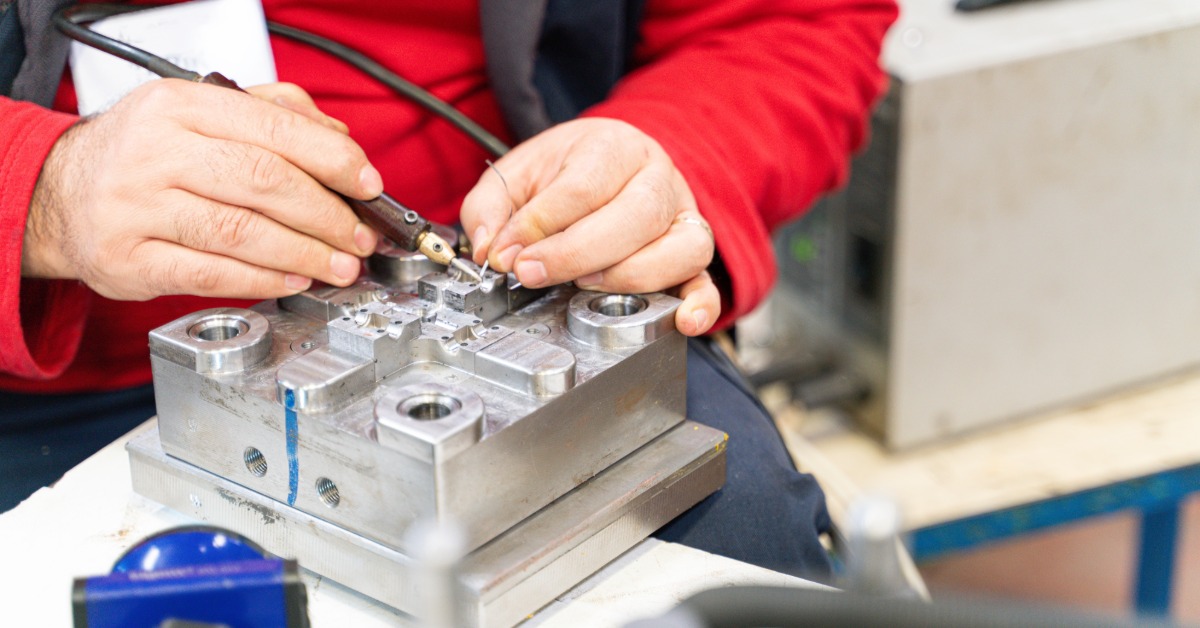
Maintenance works best when a tool begins with accurate machining and stable surfaces. In die mold machining, geometry, finish quality, alignment, and repeatability shape how well a die or mold performs through production and later service. Accurate machining gives technicians a dependable baseline for evaluating wear and restoring critical features.
Machine capability also affects how efficiently a tool room can handle repair work. YCM Alliance supports die and mold applications with machining solutions for milling, turning, drilling, boring, EDM, large-format work, and spotting. Spotting equipment can also give technicians better access during assembly, adjustment, verification, and repair work.
Repair Small Problems Promptly
Delaying a repair can allow wear to spread into neighboring surfaces or components. When technicians find a chipped edge, damaged insert, worn guide component, leaking seal, or recurring surface defect, they should evaluate the cause before returning the tool to production. A quick fix without root-cause review may send the same problem back to the press or molding machine.
After a repair, technicians should confirm fit, movement, alignment, and relevant dimensions before release. They should also update the maintenance record with the work completed and any follow-up checks. That information helps the next technician understand the tool’s condition without starting from zero.
Protect Long-Term Performance
Well-maintained dies and molds support reliable production long after the first successful run. Regular cleaning exposes wear, inspection catches developing damage, correct lubrication protects moving components, corrosion control protects precision surfaces, and good records help teams act before problems interrupt schedules.
Strong maintenance also protects the value of the machining work behind every tool. When your operation needs equipment for die and mold production, repair, spotting, or other precision machining work, YCM Alliance can help you evaluate solutions around your application. The right machine platform and a disciplined maintenance process can support consistent tool performance through demanding production cycles.