
Pros and Cons of Multi-Process CNC Machining
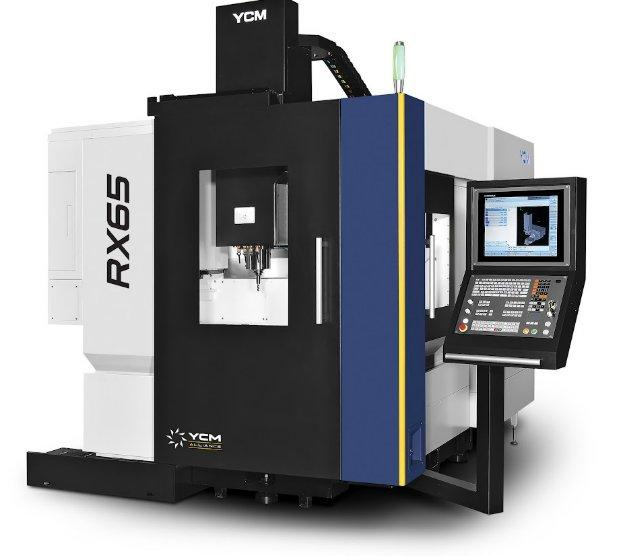
Manufacturers constantly look for ways to shorten production time without sacrificing accuracy. Multi-process machining offers one path by allowing a machine to perform several types of work during a coordinated production cycle. A shop may combine turning with secondary operations such as milling and drilling so a part spends less time moving between separate machines. The approach can strengthen a workflow, but it can also introduce new demands that buyers should understand before investing. Continue reading to explore the pros and cons of multi-process CNC machining.
What Multi-Process Machining Means
Multi-process CNC machining consolidates multiple cutting operations on a single machine platform or within a tightly integrated process. Depending on the equipment, a machine may turn a round feature, mill a flat surface, drill a hole, and perform additional operations before the operator removes the part. Live tooling, extra axes, subspindles, and automated tool changes can expand what a single setup can accomplish.
The exact capabilities vary widely across machine types. Some turning centers add milling functions, while advanced machining centers use multiple axes to reach complex features from several directions. CNC milling machines also support multiple operations, such as milling, drilling, tapping, and contouring, within a single programmed setup. Buyers need to match those capabilities to their parts because a feature-rich machine only creates value when the production work uses its strengths.
Key Advantages
Let’s explore the pros of multi-process CNC machining.
Fewer Setups
One of the strongest advantages is reducing how often an operator must reposition a part. Every transfer to another machine adds setup work and new workholding decisions. Each move also creates another opportunity for alignment variation. A multi-process machine can keep more operations within a single controlled setup.
Fewer setups can improve consistency on parts with interdependent features. The machine maintains a common reference as it moves through the programmed operations, which can help the shop control relationships among holes, faces, diameters, and other features. Operators also spend less time loading the same workpiece into different machines during the production sequence.
Shorter Production Flow
Part movement can add significant time even when each cutting operation runs efficiently. Operators may need to queue work on another machine, install new workholding, locate the part, and verify the next setup before cutting resumes. Multi-process machining can reduce some of those pauses in the route.
A shorter route can help job shops respond to changing schedules and complex orders. The shop can complete more of the part in one location, reducing the amount of work waiting between departments. This advantage can be especially useful for low-volume or high-mix production, where repeated setup changes can consume a large share of available machine time.
Better Control of Complex Parts
Complex components often include features that require more than one machining method. A turned component may need milled flats or cross holes, while a prismatic component may require access from several angles. Multi-process equipment can give programmers more freedom to complete those features without creating a long chain of separate operations.
The approach can also enable tighter process control when several dimensions share the same setup reference. A well-planned program coordinates toolpaths with appropriate cutting conditions and sequences features so each operation supports the next. Good machine rigidity and stable workholding remain critical because added capability can't compensate for a weak machining foundation.
Less Work in Process
Parts that travel through several machines often spend time waiting between operations. Each queue creates work in process that takes up floor space and complicates scheduling. A multi-process workflow can reduce those intermediate stages by completing more work before the part leaves the machine.
Lower work in process can make production easier to track. Supervisors can see where an order stands without following batches across as many work centers. This improvement can also simplify handling for delicate or high-value components because operators touch and relocate each part fewer times.
Potential Drawbacks
Let’s explore the cons of multi-process CNC machining.
Higher Equipment Cost
Advanced capabilities usually come with a higher purchase price. A multi-process machine may include more axes, live tooling, complex controls, additional spindles, or other hardware that expands the machine's range. Buyers need to compare that investment with the work they expect the machine to perform.
A shop gains little from paying for unused capability. If most parts require only simple milling or basic turning, dedicated equipment may offer a clearer return on investment. Buyers should review current jobs, expected contract work, part families, and realistic production volumes before choosing a more complex platform.
More Demanding Programming
Multi-process machining can shift complexity from manual handling to process planning. Programmers must carefully coordinate operations so that tools, spindles, axes, and workholding systems work together without interference. Greater capability can create more decisions about tool sequence, cutting access, synchronization, and collision avoidance.
Programming skill becomes especially important when a machine performs several operations in a single cycle. A weak program can waste the capacity that made the machine attractive in the first place. Shops may need stronger CAM capabilities and more simulation to use the equipment efficiently. Additional training can also help programmers take advantage of the machine's broader capabilities.
Setup Requires More Planning
Fewer setups don't always mean simpler setups. A multi-process setup may require careful workholding so the machine can reach multiple features without sacrificing rigidity. The operator must also plan tool access and chip evacuation before production begins.
A setup that blocks a critical feature can force an unplanned secondary operation. Poor clamping can also reduce cutting stability when tools approach the part from multiple directions. Shops need experienced setup planning to fully benefit from a machine that offers broader access.
Downtime Can Affect More Operations
Combining several processes on one machine concentrates more production capability in a single asset. When that machine needs service, the shop may lose turning and milling capacity for the same part at once. A facility with separate machines may have more options for rerouting individual operations during a disruption.
Reliability and service support therefore deserve close attention during equipment selection. Buyers should consider machine construction, maintenance needs, available technical support, and access to replacement parts. A lower initial price can lose its appeal quickly when frequent downtime interrupts production commitments.
Some Jobs Won’t Use the Full Capability
Multi-process equipment delivers its strongest value when the part mix consistently benefits from combined operations. A shop may use an advanced machine for simple work during slow periods. Still, basic jobs can occupy equipment that carries a higher hourly cost and offers capabilities the job never uses. Such a mismatch can weaken the return on the original investment.
Production managers should look beyond whether a machine can make a part. They should ask whether the machine represents the most productive place to make it. A balanced equipment plan leaves straightforward work on suitable machines while reserving advanced capacity for parts that benefit from fewer setups and broader cutting access.
Find the Right Production Fit
Multi-process CNC machining has its pros and cons. It can reduce handling while shortening production routes. It can also give shops better control over complex parts. Those benefits become strongest when the machine matches a steady stream of work that uses its combined capabilities. Shops also need programming knowledge and thoughtful setup planning to turn advanced features into productive spindle time.
The best choice starts with the application. Review the parts you produce and the operations they require. Then identify the delays that currently limit throughput. Compare those needs with the machine's real capabilities and long-term support. When the fit makes sense, multi-process machining can help a shop complete more work in fewer setups while maintaining the precision and reliability that demanding production requires.