
The Role of Precision Machining in Complex Components
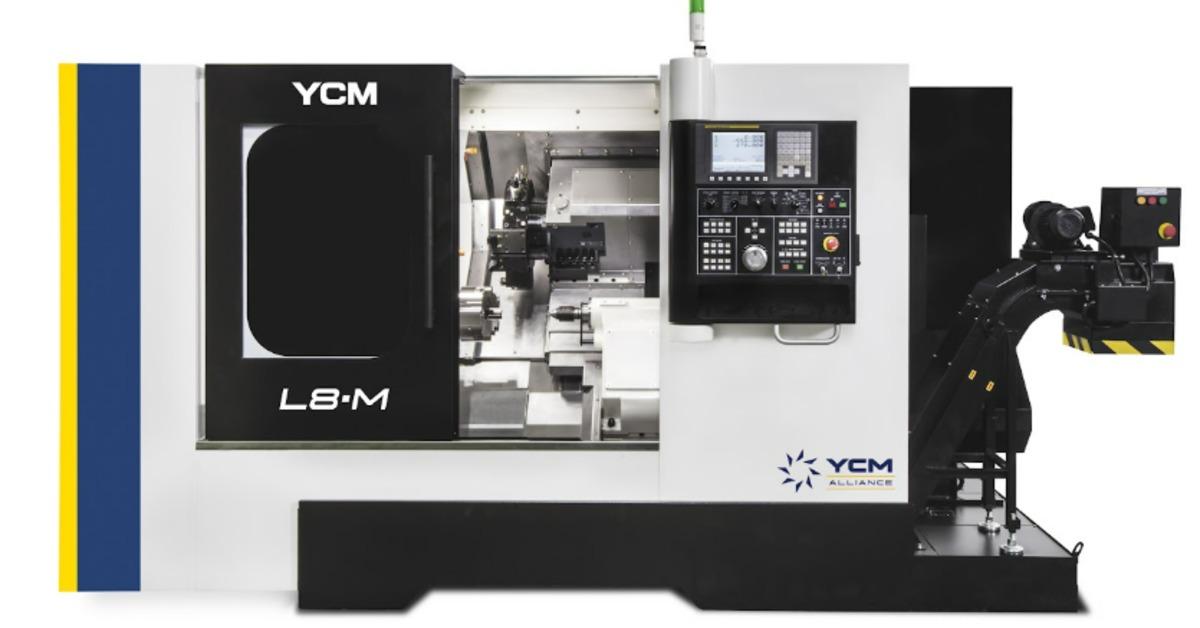
Complex components can challenge even experienced manufacturing teams. A part may require tight tolerances across multiple surfaces, intricate internal features, or geometry that leaves little room for variation. As complexity increases, manufacturers need machining processes that precisely control each cut while keeping production practical.
Precision machining gives manufacturers control. The right combination of machine capability, process planning, tooling, and operator knowledge can turn a difficult design into a repeatable production process. For buyers, understanding that connection can clarify equipment decisions and help teams plan for long-term production needs. Continue reading to explore the role of precision machining in complex components.
Complexity Changes the Job
Simple parts often allow straightforward machining strategies. Complex components demand more attention because one feature can affect the next, especially when the part requires multiple orientations or closely related dimensions. Each setup, tool change, and cutting operation introduces another variable the manufacturing team must manage.
Engineers and machinists can reduce that risk by planning the process around the entire component. They consider how the machine will reach each feature, how the workholding will support the part, and how the cutting sequence may affect accuracy. Strong planning also helps teams avoid unnecessary handling that can slow production.
Precision Starts With Process Control
Precision doesn’t come from a single machine specification alone. Manufacturers achieve consistent results by controlling the entire machining process from the first setup through final inspection. Machine condition, cutting parameters, workholding, and tool selection all influence how closely a finished part matches the design.
Precision machining solutions help manufacturers bring those elements together in a controlled workflow. A capable CNC platform can follow programmed toolpaths with repeatable motion, while a well-planned process helps operators manage variation between parts. Buyers should consider the complete production environment when evaluating machining capability.
Multi-Axis Machining Cuts Setups
Complex geometries often require access from multiple directions. When a team uses equipment with limited axis movement, operators may need to remove the part, reposition it, and establish a new setup before machining another feature. Each additional setup adds handling time and creates another opportunity for alignment changes.
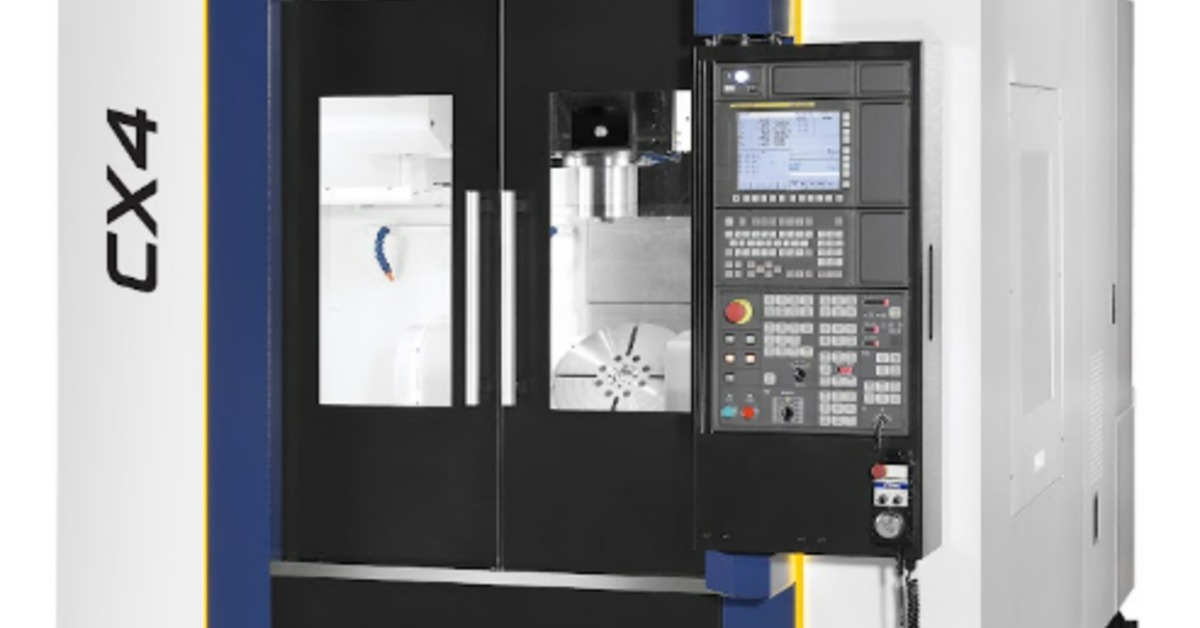
Multi-axis machining can reduce interruptions by giving the cutting tool access to more surfaces in a single setup. YCM offers multi-axis vertical centers and 5-axis machining platforms that support work with demanding geometries. Fewer setups can also help manufacturers keep related features aligned because the part remains in a controlled workholding position for more of the process.
Rigidity Supports Accurate Cutting
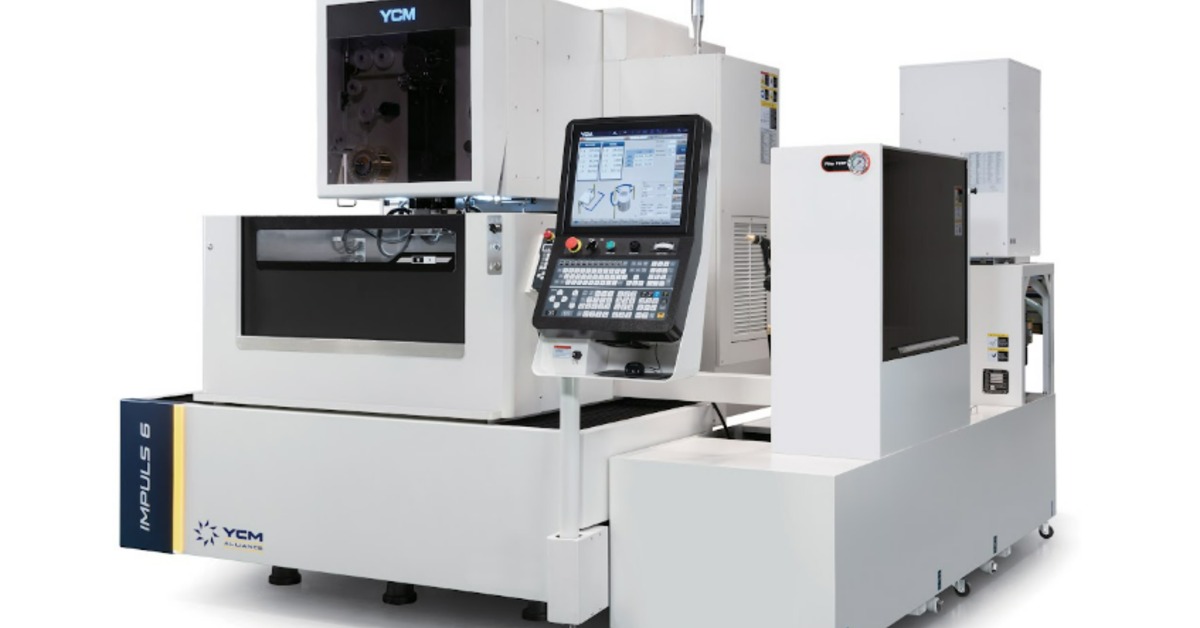
Machine rigidity plays a major role when a tool cuts complex features. Cutting forces can cause vibration or deflection when the machine structure, tool, or workpiece lacks sufficient stability. Even small movements can affect surface quality or dimensional consistency when a part has tight requirements.
A rigid machine provides a stronger foundation for the cutting process. Manufacturers can pair that stability with appropriate tooling and cutting parameters to control how the tool engages the material. YCM has built its machine tool offering around precision, rigidity, and reliability, directly supporting manufacturers that need dependable performance in demanding production environments.
Materials Change the Approach
Manufacturers machine many materials, and each responds differently to cutting forces and heat. A cutting strategy that works well for one material may yield poor tool life or unwanted variation with another. Skilled teams adjust speeds, feeds, tooling, and coolant strategies to match the material and geometry.
Complex components can make those choices more demanding because deep pockets, thin walls, or hard-to-reach features may limit tool access. Process planners need to balance cutting efficiency with part stability throughout the operation. A flexible CNC platform gives teams more options as they develop a process around the material and design.
Inspection Guides the Process
Machinists need clear feedback when they produce parts with demanding dimensions. Inspection helps teams compare the finished component with the intended geometry and identify variation before it spreads across a production run. Measurement feedback also gives programmers and operators useful information for refining tool offsets or process parameters.
Manufacturers get the most value when they integrate inspection with process control. Operators can use measurement results to spot patterns, correct emerging issues, and keep production aligned with part requirements. A disciplined feedback loop supports repeatability without turning quality control into a final checkpoint that comes too late.
Reliability Protects Production
A machine can offer impressive capabilities on paper, but manufacturers also need equipment that performs consistently over time. Unexpected downtime can disrupt schedules, delay downstream work, and create pressure across the production floor. For companies that depend on a machine to produce critical parts, reliability has direct operational value.
Equipment buyers should weigh purchase price against long-term production demands. A lower upfront cost can lose its appeal if a machine requires frequent service or can’t handle the required workload. YCM focuses on machine reliability and longevity because manufacturers need equipment that can keep producing when schedules tighten, and complex jobs fill the queue.
Precision Connects Design and Production
Complex part designs often push manufacturing teams to think beyond basic cutting operations. A designer may create a feature that looks straightforward in a CAD model, while the machinist must find a practical way to reach it, hold the workpiece, and control the cut. Precision machining connects those design goals with real production capability.
Early communication between engineering and machining teams can improve that connection. Machinists can identify access challenges or setup concerns before production begins, while engineers can explain which dimensions require the closest control. Better coordination helps the team choose a machining strategy that supports both the design and the production schedule.
Choose Capability for the Work
Buyers should start with the parts they need to produce, then match machine capability to those requirements. Axis travel, spindle performance, work envelope, control features, and machine construction can all affect how well a platform fits a specific application. Buyers also need to consider whether the machine can support future work as part complexity or production demand changes.
The YCM Alliance offers vertical machining centers, horizontal machining centers, CNC turning centers, and 5-axis machining platforms for a range of manufacturing applications. Our approach focuses on application-based systems, along with integration, installation, service, and support. These resources help buyers evaluate the full production picture without relying solely on a specification sheet.
Build Complex Parts With Confidence
Complex components require precision machining, but manufacturers don’t need to treat complexity as an obstacle. The right machining process can manage difficult geometries, reduce unnecessary setups, and help teams produce consistent parts across demanding workloads. Precision stems from how the machine, tooling, programming, and inspection work together.
Manufacturers that invest in durable, capable equipment can build a stronger foundation for current production and future opportunities. At the YCM Alliance, we help manufacturers evaluate machining needs and identify CNC solutions that match their work. When complex components push production requirements higher, a well-matched machining platform can give the team the control and reliability needed to keep moving forward.