
What To Expect From a CNC Turning Center Upgrade
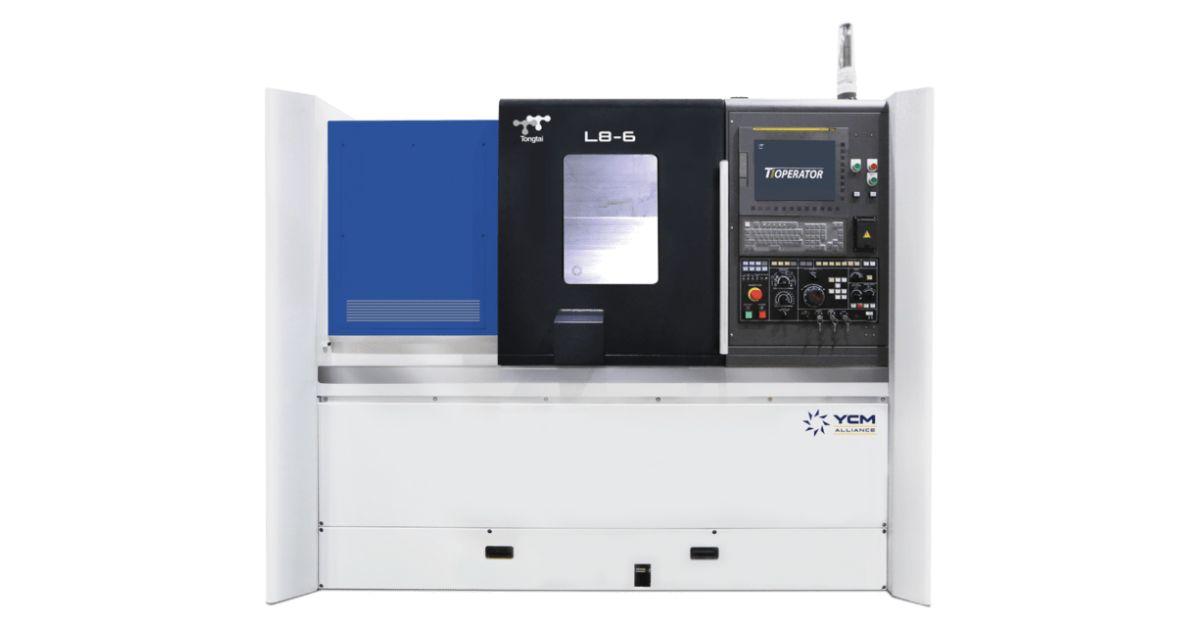
Manufacturers evaluating new equipment often ask what to expect from a CNC turning center upgrade. It’s a smart question to ask—any change on the floor will impact production. In this case, the answer goes beyond faster cycle times or newer controls. A well-planned upgrade affects accuracy, reliability, and long-term operational efficiency.
Modern CNC lathe machines continue to evolve with tighter tolerances, better automation capabilities, and improved durability. For shops working in aerospace, medical, automotive, or energy sectors, these improvements can directly influence competitiveness. Understanding what changes to expect helps you align your investment with production goals.
In this guide, we break down the practical outcomes of upgrading your CNC turning center and what they mean for your shop floor.
Improved Precision and Repeatability
One of the most immediate benefits of upgrading CNC lathe machines is improved precision. Newer machines benefit from enhanced structural rigidity and tighter manufacturing tolerances. These design improvements reduce vibration and thermal distortion during operation.
As a result, you can expect:
- More consistent part quality across long production runs
- Reduced need for manual adjustments or secondary operations
- Better adherence to tight tolerances in complex geometries
For industries like aerospace and medical manufacturing, this level of repeatability is critical. Even small deviations can lead to rejected parts or compliance issues. A modern turning center reduces that risk.
Faster Cycle Times Without Compromising Quality
Speed matters, but only when it supports accuracy. Upgraded CNC turning centers deliver both by combining advanced spindle technology with optimized tool paths and control systems.
Higher spindle speeds and improved feed rates allow you to machine parts more efficiently. At the same time, modern controls ensure that increased speed does not introduce instability or errors. This balance is critical for shops managing high-volume production or tight delivery schedules.
In practical terms, faster cycle times mean:
- Increased throughput without adding labor
- Shorter lead times for customers
- Greater flexibility to take on new work
These gains help shops stay competitive while maintaining consistent quality standards.
Enhanced Automation Capabilities
Automation plays a larger role in modern machining environments. Upgrading your CNC turning center often opens the door to integrated automation features that reduce manual intervention.
Many new machines can support options such as bar feeders, robotic part handling, and in-process measurement systems. These technologies streamline production and reduce the likelihood of human error.
With automation in place, shops can:
- Run longer unattended production cycles
- Reduce operator workload on repetitive tasks
- Improve consistency across shifts
This shift allows skilled machinists to focus on programming, setup, and process optimization instead of routine handling tasks.
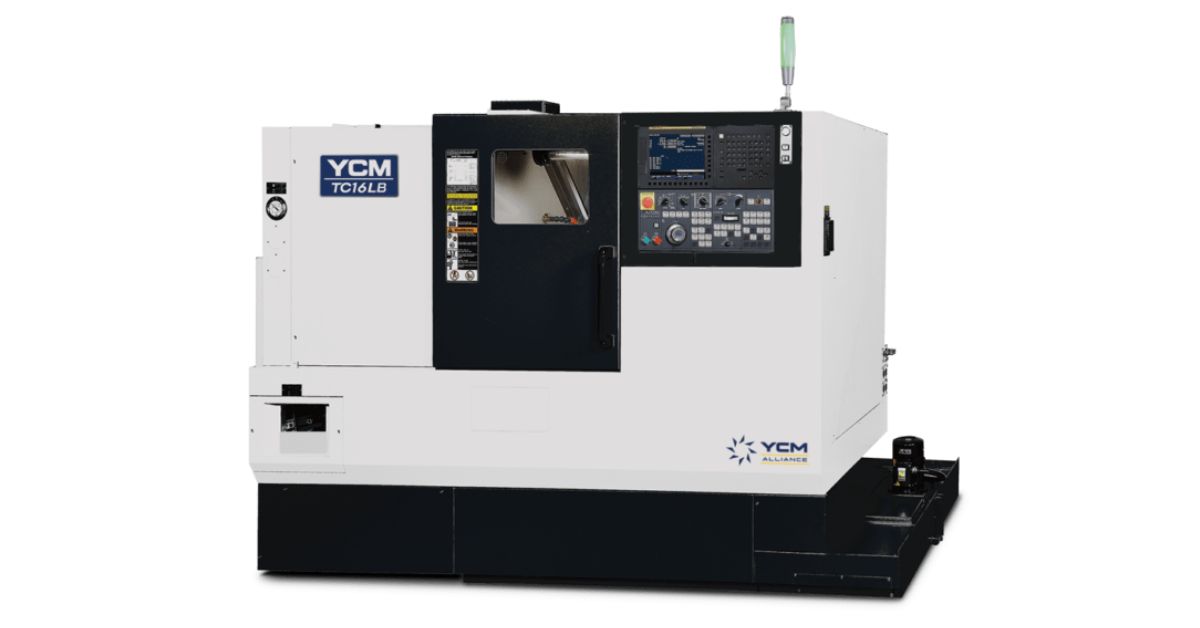
Greater Machine Reliability and Uptime
Downtime is one of the most costly issues in any machining operation. Older CNC lathe machines often require frequent maintenance, and unexpected failures can disrupt production schedules.
Upgraded machines are designed with durability and long-term reliability in mind. Improved components, better lubrication systems, and advanced diagnostics help reduce the likelihood of breakdowns. A dependable turning center ensures that your shop can meet deadlines without costly delays.
Advanced Control Systems and User Interfaces
Modern CNC turning centers feature significantly improved control systems. These controls provide better visualization, easier programming, and more intuitive operation.
Operators benefit from streamlined workflows, including:
- Simplified setup procedures
- Real-time monitoring of machining conditions
- Faster adjustments to programs and tooling
These improvements reduce the learning curve for new operators while increasing efficiency for experienced machinists. Clear interfaces also minimize errors during setup and production.
For shops looking to standardize processes, updated controls make it easier to maintain consistency across multiple machines and large teams.
Increased Flexibility for Complex Parts
As part designs become more complex, flexibility becomes a priority. Upgrading your CNC turning center allows you to handle a wider range of part geometries and materials.
Modern machines often include multi-axis capabilities, live tooling, and improved turret configurations. These features allow you to complete more operations in a single setup, opening opportunities to take on more advanced projects without additional equipment.
Reduced Setup Times and Changeovers
Setup time directly affects productivity, especially in environments with frequent part changes. New CNC turning centers are designed to minimize setup complexity.
Features such as quick-change tooling systems, improved workholding options, and digital setup aids help reduce downtime between jobs.
Shorter setup times allow shops to respond more quickly to customer demands while maintaining efficiency.
Better Integration With Digital Manufacturing Systems
Upgraded CNC lathe machines often integrate more easily with modern digital systems. This includes connectivity with production management software, monitoring tools, and data analytics platforms.
With improved connectivity, shops can:
- Track machine performance in real time
- Analyze production data to identify inefficiencies
- Improve decision-making based on accurate insights
This level of integration supports continuous improvement efforts and helps manufacturers optimize operations over time.
Planning for Implementation and Training
The process of making an upgrade does not end with installation. Proper implementation and training are essential for maximizing the benefits of new CNC lathe machines.
Operators and programmers need time to adapt to new controls and features. Investing in training helps your team use the machine effectively from the start.
A structured approach should include:
- On-site training for operators and maintenance staff
- Gradual integration into production workflows
- Ongoing support for troubleshooting and optimization
This approach reduces disruption and ensures a smoother transition to new equipment.
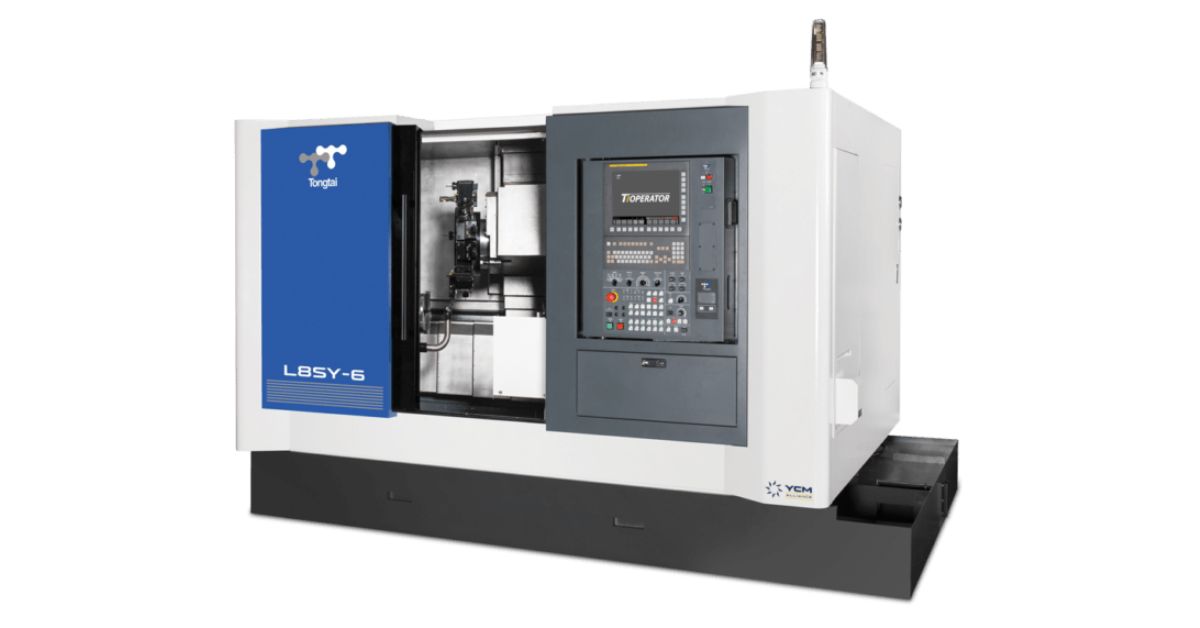
Making the Most of Your Investment
To fully realize the benefits of an upgrade, it is important to align your machine capabilities with your production strategy. This includes optimizing tooling, refining processes, and leveraging automation where appropriate.
Continuous improvement should remain a focus even after installation. Regular performance reviews and process adjustments help ensure that your CNC turning center operates at peak efficiency.
By taking a proactive approach, you can maximize the value of your investment and support long-term growth.
Upgrade Your CNC Turning Center Today
Understanding what to expect from a CNC turning center upgrade allows manufacturers to make informed decisions that support performance, reliability, and efficiency. From improved precision to enhanced automation, the benefits extend across every aspect of production.
If you are evaluating CNC lathe machines for your operation, the right partner can help you navigate the upgrade process and select a solution that fits your needs. The YCM Alliance offers advanced CNC turning centers designed for durability, accuracy, and long-term performance.
Connect with the YCM Alliance to explore turning center solutions that align with your production goals and help you achieve consistent, high-quality results.