
Why 5-Axis Vertical Machining Is Ideal for Complex Parts
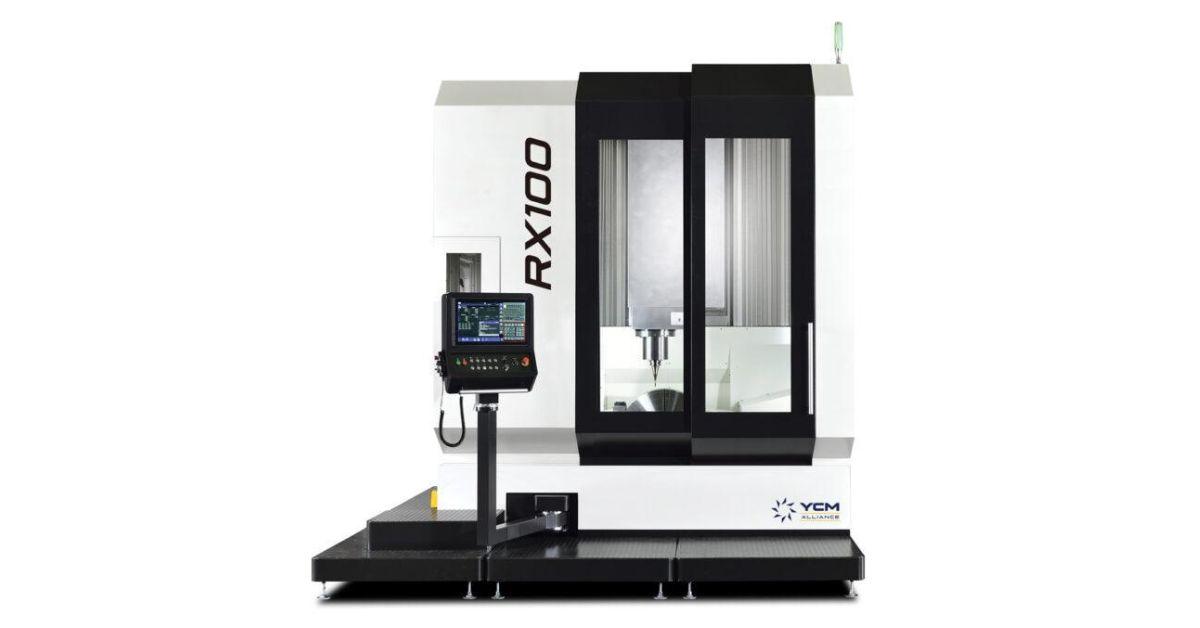
Modern manufacturers face increasing pressure to produce intricate components with tight tolerances, shorter lead times, and consistent quality. As part designs grow more complex, traditional machining approaches often introduce inefficiencies, errors, and unnecessary handling.
This is exactly why 5-axis vertical machining is ideal for complex parts. By enabling simultaneous movement across multiple axes, these machines reduce setup time, improve accuracy, and support advanced geometries that standard systems struggle to achieve.
For manufacturers evaluating 5-axis high-spec vertical machining centers, understanding these advantages helps guide smarter investment decisions and long-term production strategies.
What Makes 5-Axis Vertical Machining Different?
Traditional 3-axis machining operates along the X, Y, and Z axes. While effective for simpler geometries, it often requires multiple setups to access different faces of a part.
5-axis vertical machining introduces two additional rotational axes, allowing the cutting tool or workpiece to approach the part from virtually any angle in a single setup. This capability transforms how manufacturers approach complex part production.
Instead of repositioning parts manually, the machine handles positioning automatically. That shift eliminates alignment errors, reduces downtime, and maintains tighter control over part geometry.
Reduced Setups Improve Accuracy and Efficiency
Every time an operator removes and repositions a part, the risk of error increases. Even small misalignments can compromise tolerances, especially in industries like aerospace or medical manufacturing.
5-axis machining minimizes these risks by completing more operations in a single setup. This streamlined approach delivers several key benefits, including:
- The elimination of cumulative positioning errors
- Reduced need for manual intervention during machining
- Improved consistency across production runs
- Shortened overall cycle times
By reducing setups, manufacturers maintain tighter tolerances while increasing throughput. This advantage becomes vital when producing high-value or safety-critical components.
Complex Geometries Become Easier to Produce
Many modern components feature curved surfaces, deep cavities, and intricate contours. Producing these geometries with 3-axis machines often requires specialized tooling, multiple fixtures, or secondary operations.
5-axis vertical machining simplifies this process. The machine can tilt and rotate to maintain optimal tool orientation, allowing it to reach difficult areas without repositioning the part.
This capability supports applications such as:
- Aerospace components with compound curves
- Medical implants requiring organic shapes
- Automotive parts with integrated features
With 5-axis machining, manufacturers gain the flexibility to produce advanced designs without compromising efficiency or precision.
Superior Surface Finish and Tool Performance
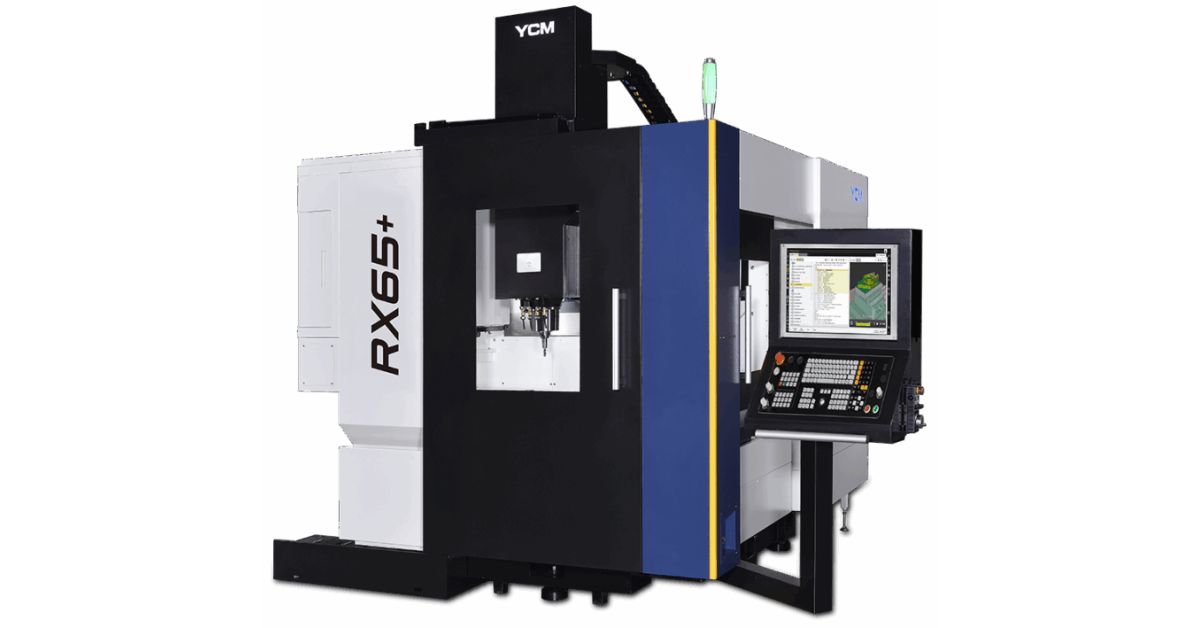
Tool orientation plays a major role in surface quality and tool life. In 3-axis machining, limited angles often force tools into less efficient cutting positions. This limitation can lead to increased wear, vibration, and poor surface finishes.
5-axis machining allows the tool to maintain the ideal cutting angle throughout the operation. This improves performance by:
- Producing smoother surface finishes with fewer passes
- Reducing tool deflection and chatter
- Extending tool life through optimized cutting conditions
- Minimizing the need for secondary finishing operations
Better surface quality reduces downstream processing and helps manufacturers deliver parts that meet strict performance requirements.
Faster Production Without Sacrificing Precision
Speed and precision often compete in manufacturing environments. Increasing production speed can introduce variability, while focusing solely on precision can slow output.
5-axis vertical machining balances both priorities. By combining multiple operations into a single setup, manufacturers reduce non-cutting time and maintain consistent accuracy.
This efficiency becomes especially valuable for shops focused on high-mix, low-volume production. The upgrade to 5-axis machining makes it easier to switch between complex parts and keep work moving efficiently.
Reduced Fixture Complexity
Fixtures play an essential role in machining, but complex parts often require equally complex fixturing. Designing and manufacturing these fixtures adds cost and increases lead time.
5-axis machining reduces the need for elaborate fixtures by allowing the machine to reposition the part dynamically. Instead of building multiple fixtures for different orientations, manufacturers can rely on a single, simpler setup. Simpler fixturing also reduces the chance of setup errors, further improving consistency and repeatability.
Improved Access to Difficult Features
Deep pockets, undercuts, and angled features present challenges for traditional machining. Limited tool access can restrict design possibilities or require additional operations.
With 5-axis machining, the tool approaches these features from optimal angles. This improved accessibility allows manufacturers to machine complex features without compromising part integrity.
Engineers gain more freedom to design parts based on performance rather than manufacturing limitations. This flexibility supports innovation across industries that demand advanced functionality.
Long-Term Value for Growing Operations
While 5-axis machines require a higher initial investment, they deliver long-term value through increased productivity, reduced labor, and improved part quality.
Manufacturers that adopt this technology often see benefits such as:
- Lower cost per part over time
- Reduced scrap and rework
- Increased machine utilization
- Greater competitiveness in high-precision markets
For shops looking to scale operations or enter new markets, 5-axis machining provides a strong foundation for sustainable growth.
How 5-Axis High-Spec Vertical Machining Centers Support Performance
Not all 5-axis machines deliver the same results. High-spec vertical machining centers combine advanced engineering with robust construction to ensure consistent performance under demanding conditions.
Key characteristics to look for include:
- Rigid machine structures that maintain accuracy under load
- High-speed spindles designed for precision cutting
- Advanced control systems for smooth multi-axis motion
- Reliable components that minimize downtime
These features align with what manufacturers expect from modern machining solutions: precision, reliability, and long-term durability. Choosing the right system features ensures that your investment supports both immediate production goals and future operational needs.
Making the Transition to 5-Axis Machining
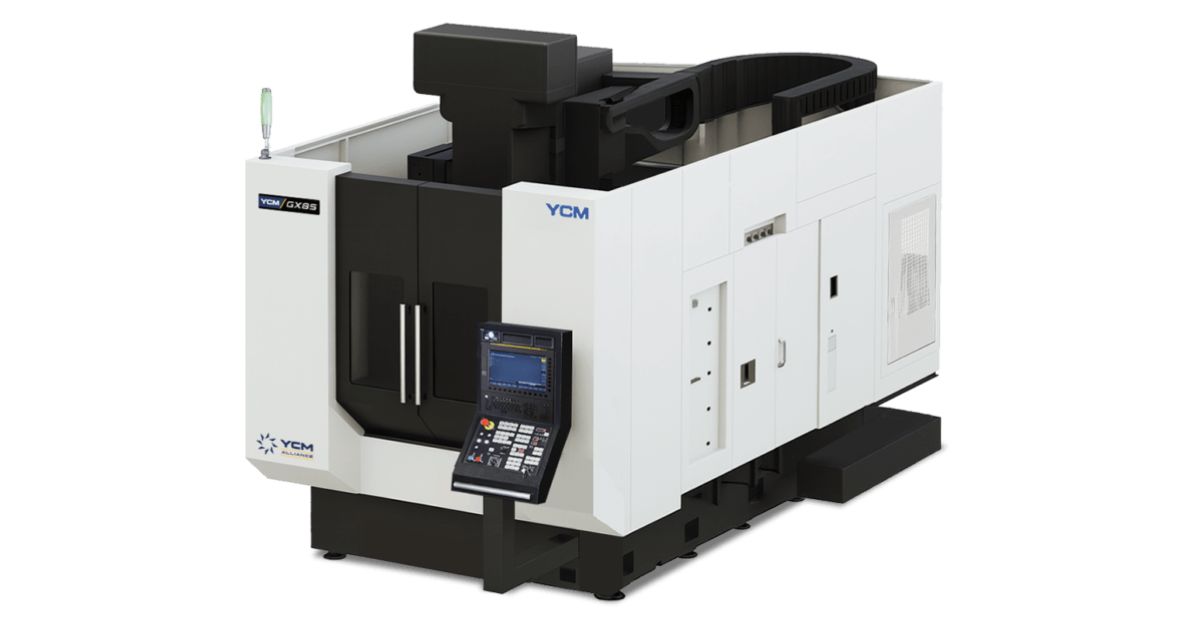
Adopting 5-axis machining requires planning, but the process does not have to disrupt your shop’s operations. Many manufacturers start by integrating 5-axis capabilities alongside existing equipment.
Training, programming, and workflow adjustments play an important role in maximizing the benefits of this technology. With the right approach, teams can quickly adapt and begin realizing productivity gains.
Manufacturers that embrace this shift position themselves to handle increasingly complex part requirements with confidence.
The Advantage of 5-Axis Machining for Complex Parts
As part designs continue to evolve, manufacturers need solutions that deliver precision, efficiency, and flexibility. 5-axis machining meets these demands by reducing setups, improving accuracy, and enabling advanced geometries.
This is ultimately why 5-axis vertical machining is ideal for complex parts. It allows manufacturers to produce high-quality components faster, with fewer errors and greater consistency.
For organizations evaluating their next investment, the right machining partner plays a critical role. The YCM Alliance brings together advanced technology, application expertise, and reliable support to help manufacturers implement high-performance machining solutions with confidence.
If you are looking to improve efficiency, reduce risk, and achieve consistent results, explore how the YCM Alliance’s 5-axis high-spec vertical machining centers can support your production goals today.