
Why CNC Grinding Machines Improve Surface Finish Quality
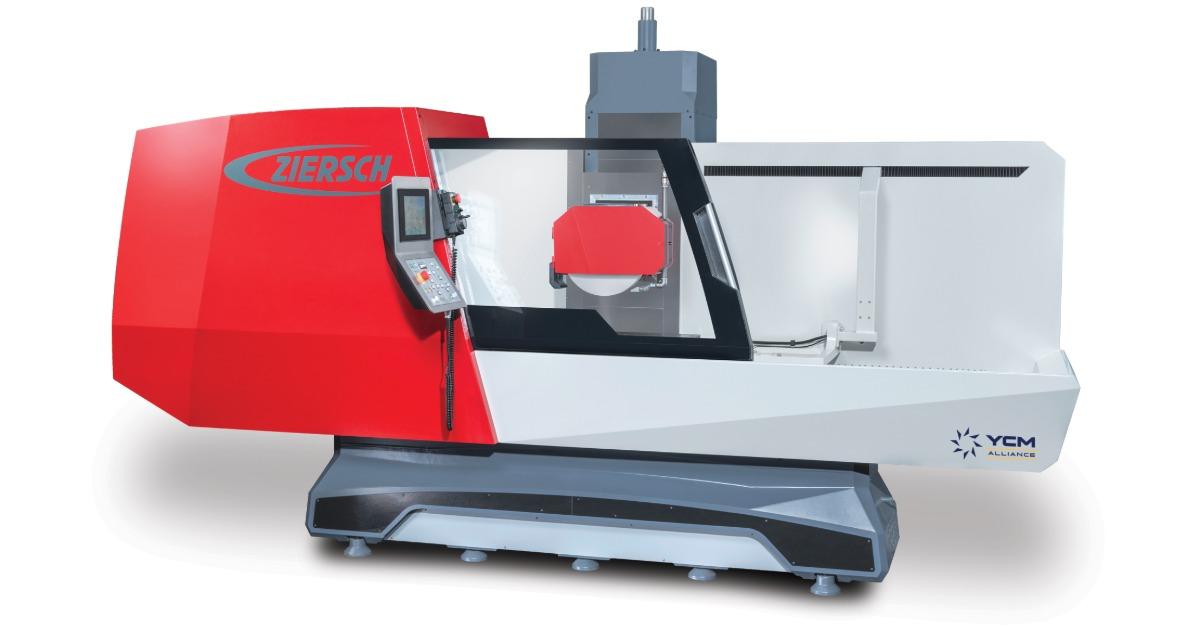
Surface finish quality affects how parts seal, wear, move, and perform after they leave the machine. For manufacturers in aerospace, automotive, medical, energy, and electronics, a smoother surface can reduce friction, support tighter fits, and limit secondary finishing. Let’s take a look at how CNC grinding machines can improve surface finish quality for operations that need dependable accuracy after milling, turning, or heat treatment.
Grinding is not only a final cleanup step. When paired with the right machine, wheel, coolant strategy, and process control, it becomes a repeatable method for achieving tight dimensional accuracy and fine surface texture.
Surface Finish Starts With Controlled Material Removal
CNC grinding removes material with an abrasive wheel instead of a cutting edge. Each abrasive grain takes a small cut, allowing the machine to remove fine amounts of material while controlling the final surface more closely than many general machining operations.
This controlled removal is one reason grinding supports finer finishes. Wheel speed, feed rate, depth of cut, and dressing condition work together to create a consistent surface pattern. When these variables stay stable, the finished part is more likely to meet print requirements without repeated manual correction.
For flat parts, surface grinders create accurate reference planes that support assembly, sealing, and inspection. In mold components, plates, fixtures, and precision tooling, that flat ground surface can become the baseline for downstream accuracy.
Rigid Machine Construction Reduces Chatter
Surface finish depends heavily on machine stability. Any vibration between the grinding wheel and the workpiece can leave chatter marks, waviness, or uneven texture. A rigid CNC grinding machine limits that movement through stable spindle support, controlled table motion, and a strong machine base.
This stability becomes more important as tolerances tighten. Even small movements can show up as visible marks or measurable variation across the part.
Manufacturers should look at rigidity as a long-term production factor, not only a specification sheet detail. A machine that holds alignment and absorbs grinding forces can reduce the need for rework, inspection delays, and avoidable scrap.
CNC Control Improves Repeatability
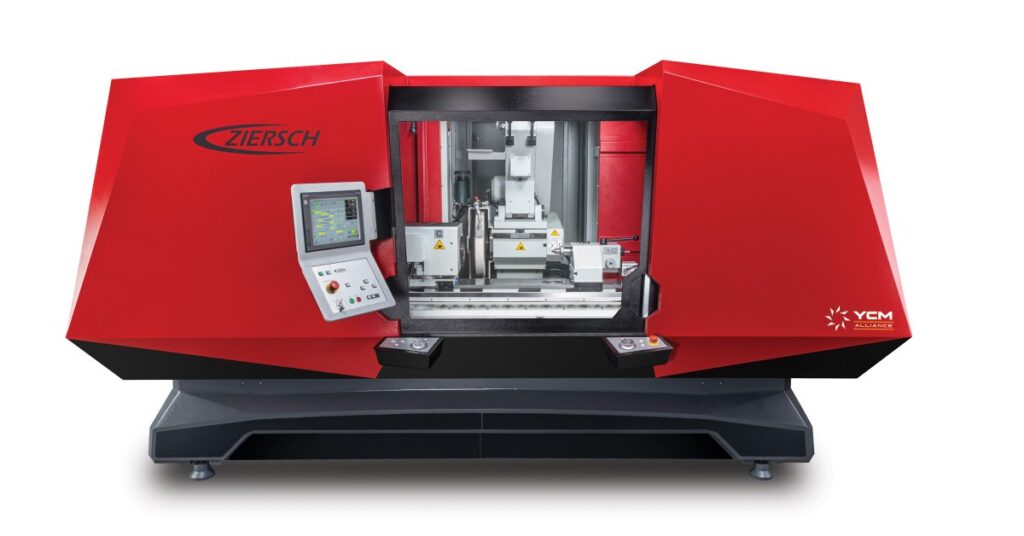
Manual grinding depends heavily on operator experience. Skilled operators remain valuable, but CNC control makes surface finish less dependent on repeated manual judgment. Once the team develops a strong process, the machine can repeat the same movements, feeds, spark-out time, and wheel compensation across many parts.
This repeatability is useful for production environments where one good part is not enough. Shops need the first part and final part in a batch to meet the same requirements.
Surface grinders with CNC capability also allow teams to store proven programs. That shortens setup time when jobs return and gives operators a clearer starting point for process refinement.
Wheel Selection Shapes the Final Result
The grinding wheel has a direct influence on surface finish. Abrasive type, grit size, bond, wheel hardness, and structure all affect how the wheel cuts, wears, and clears chips. Choosing the wrong wheel can cause burning, loading, chatter, or inconsistent texture.
A finer grit can produce a smoother surface, but grit size alone does not solve every challenge. The wheel must match the material, stock removal target, coolant approach, and finish requirement. Hardened steel, carbide, cast iron, and specialty alloys may each respond differently under the same grinding conditions.
Teams often improve finish quality by evaluating these variables together:
- Match wheel grade and abrasive type to the workpiece material.
- Use grit size that supports the finish without slowing production.
- Dress the wheel consistently so it cuts cleanly instead of rubbing.
Wheel selection works best when it supports the full process. A capable machine can only deliver repeatable surface quality when the consumables and operating parameters align with the application.
Dressing Keeps the Wheel Cutting Cleanly
A grinding wheel changes as it runs. Abrasive grains dull, pores load with material, and the cutting face can lose its intended shape. Dressing restores the wheel surface so it cuts cleanly and produces the required finish.
Consistent dressing also improves predictability. When the wheel face stays sharp and true, the machine can maintain better control over surface texture and part geometry. CNC grinding systems can build dressing into the program at planned intervals, which stabilizes longer production runs.
Coolant Control Protects the Workpiece
Grinding produces heat at the contact zone between the wheel and the part. If that heat is not controlled, it can affect finish quality and dimensional accuracy. In some materials, excessive heat can also cause burns or surface damage that requires rework.
A strong coolant strategy removes heat, flushes chips, and keeps the wheel cutting efficiently. Within said strategy, nozzle placement, flow rate, filtration, and coolant condition all come together to influence performance. Coolant must reach the grinding zone effectively instead of simply flooding the general work area.
A good coolant approach supports surface finish by:
- Reducing thermal distortion during finishing passes
- Preventing wheel loading and surface burn
- Improving consistency across long production cycles
Clean, well-directed coolant is especially important for precision components, as it maintains part integrity while allowing the machine to hold fine finish requirements more consistently.
Surface Grinders Support Flatness and Parallelism
Surface grinders are often the right choice when a part needs a smooth, flat reference face. The machine moves the workpiece beneath the grinding wheel in controlled passes, producing a uniform surface that supports assembly and measurement.
Flatness and parallelism are closely tied to finish quality. A surface can look smooth but still fail inspection if it is not geometrically accurate. CNC grinding helps teams address both concerns by combining fine abrasive removal with precise machine motion.
This capability is valuable for tooling plates, die components, bearing surfaces, spacers, and fixtures. When these parts are ground accurately, they support reliable performance in the larger system.
Process Planning Makes Grinding More Effective
CNC grinding delivers the best results when teams plan the process around the part. Material condition, heat treatment, stock allowance, workholding, inspection method, and finish requirement should all guide the setup.
Shops can improve grinding outcomes by reviewing a few core process questions before production begins:
- Is there enough stock for grinding without creating excess cycle time?
- Will workholding support the part without distortion?
- Does inspection measure both surface finish and geometry?
These questions help teams avoid treating grinding as an afterthought. When grinding is built into the manufacturing plan early, it can support better accuracy and smoother production flow.
Machine Reliability Supports Finish Consistency
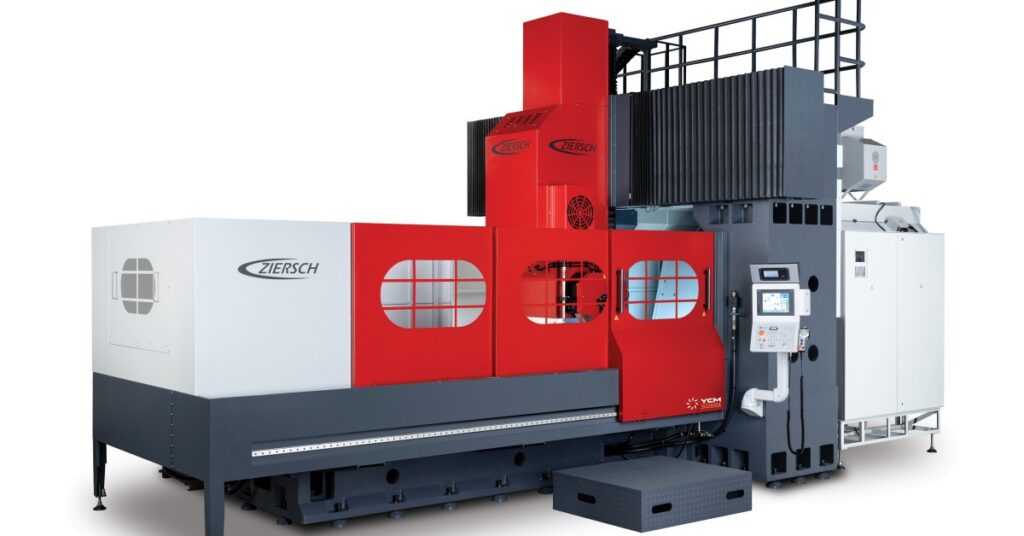
Surface finish quality depends on repeatable machine behavior over time. A grinder that struggles with spindle stability, table motion, thermal control, or maintenance issues can make it difficult to hold the same results from one run to the next.
Reliable equipment allows manufacturers to protect production schedules and quality standards. When machines hold their performance over long service periods, teams can focus on process improvement instead of constant troubleshooting. For buyers evaluating grinding equipment, long-term reliability should carry weight alongside speed and purchase price.
A Smoother Path to Better Parts
CNC grinding machines improve surface finish quality by combining controlled abrasive cutting, machine rigidity, repeatable CNC motion, proper wheel management, and disciplined process planning. For manufacturers that need flatness, parallelism, tight tolerances, and cleaner final surfaces, surface grinders offer a practical way to improve part quality while reducing avoidable rework.
As manufacturers evaluate new grinding capabilities, we recommend looking beyond the initial machine purchase and considering long-term precision, reliability, and production support. The YCM Alliance can help you explore machining solutions built for consistent performance and lasting value. Connect with us to discuss how the right CNC grinding approach can support your surface finish goals.