
Why Machine Rigidity Matters in CNC Turning
Imagine finishing a batch of precision shafts only to discover that their diameters vary along the length. The program looks right, yet the cut throws off the results. The problem may begin with how well the machine resists cutting forces.
Every turning operation puts pressure on the tool and workpiece. Flexing components can leave unwanted marks or dimensional errors. Understanding rigidity helps shops identify the equipment and setup choices that support dependable results. Here’s why machine rigidity matters in CNC turning.
What Rigidity Means
Rigidity describes how strongly a machine resists deformation when cutting forces push against it. During turning, the workpiece spins while a nonrotating cutting tool removes material. Forces travel through the toolholder and turret, while the spindle and machine structure support the rotating part.
CNC turning centers need stiffness throughout that entire path. A strong bed can’t compensate for a loose toolholder, and a sturdy turret can’t fully stabilize a flexible workpiece. Weakness anywhere in the setup may change the finished part.
Rigidity also differs from vibration damping. Stiffness limits movement under load, while damping helps reduce vibrations. Both characteristics contribute to a stable cut.
Why Chatter Develops
A small movement can escalate into a much larger problem when the tool begins vibrating against the workpiece. Machinists call this vibration chatter. As the cutting edge encounters an uneven surface from a previous pass, changing cutting forces can amplify the movement.
Chatter often produces a distinct sound and repeating marks across the finished diameter. Deep cuts can worsen the problem. A rigid machine structure helps limit deflection, although cutting speed and tooling still influence whether chatter occurs.
When operators hear chatter, reducing feed or changing speed may help. However, constantly adjusting the program to work around a weak setup can slow production. Identifying the source of instability comes first.
Better Dimensional Control
Precision turning depends on the cutting edge following the intended path under load. If the toolholder deflects away from the workpiece, the machine may remove less material than the program specifies. The diameter can fall outside tolerance even when the CNC control commands the correct position.
Long shafts introduce another challenge. Cutting pressure can push an unsupported section away from the tool, creating taper along the part. A rigid machine helps control its own movement, but the workpiece may still require a tailstock or steady rest.
Reliable support is especially valuable when a shop machines mating components. Consistent dimensions can reduce the number of corrective passes and make inspection results more predictable across a production run.
Cleaner Surface Finishes
Surface finish reveals how the tool behaved during the cut. Vibration can leave visible waves, while unstable cutting forces may produce an uneven texture that requires additional finishing. Those extra passes consume machine time and can complicate a tight delivery schedule.
Greater rigidity helps the tool maintain more consistent contact with the workpiece. Still, insert geometry and feed rate directly affect surface roughness, so machine construction alone can’t guarantee a specific finish. For parts that rely on smooth bearing surfaces or accurate sealing faces, shops should evaluate the entire cutting process.
Longer Tool Life
Cutting inserts perform best when they encounter predictable loads. Chatter repeatedly changes the forces at the cutting edge, which can accelerate wear or chip a fragile insert. Unexpected tool failure then interrupts production and may damage the part.
A stable turning process can help inserts wear more consistently, making replacement intervals easier to plan. Operators still need the proper insert grade for the material and a suitable cutting speed. Rigidity supports those choices but doesn’t replace them. Consistent cutting conditions also help shops avoid scrapping parts near the end of a long cycle.
More Confident Roughing
Roughing removes substantial stock before the final passes establish precise dimensions. Deeper cuts create greater cutting forces, so the machine’s ability to resist movement becomes especially important. With adequate rigidity and spindle torque, a shop may use productive cutting parameters without excessive vibration.
However, heavy construction doesn’t give an operator permission to push every tool beyond its limits. Chuck gripping force and insert capability still set limits. The part itself must remain secure as cutting loads increase. Buyers should compare performance on their actual materials rather than rely on machine weight as a shortcut for cutting capability.
Construction Makes a Difference
A turning center’s bed supports the assemblies that guide cutting motion. Strong castings and carefully designed structural ribs help resist distortion under load. Spindle support and turret clamping also contribute to the stability of the cutting path.
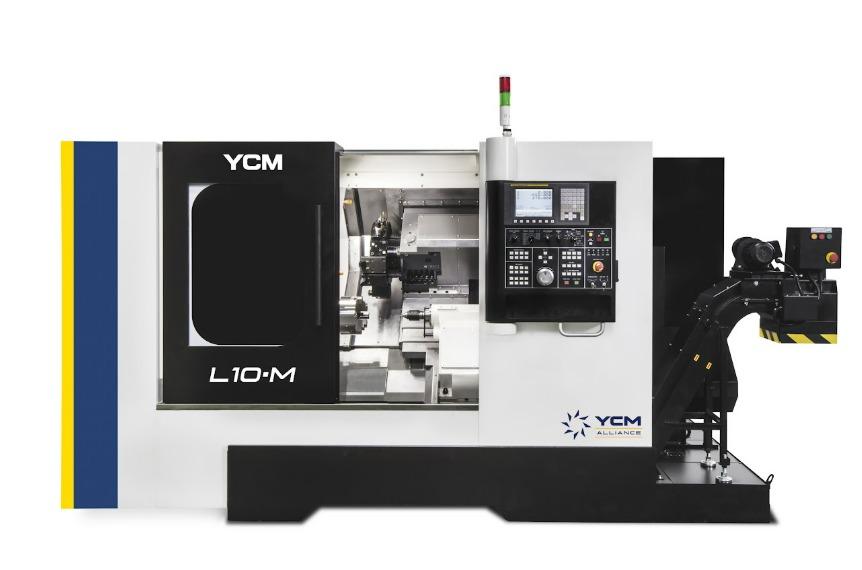
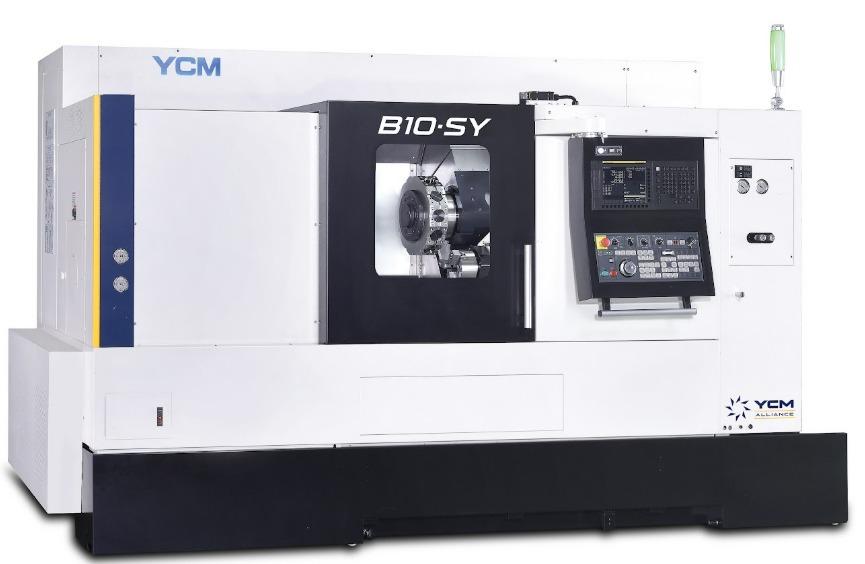
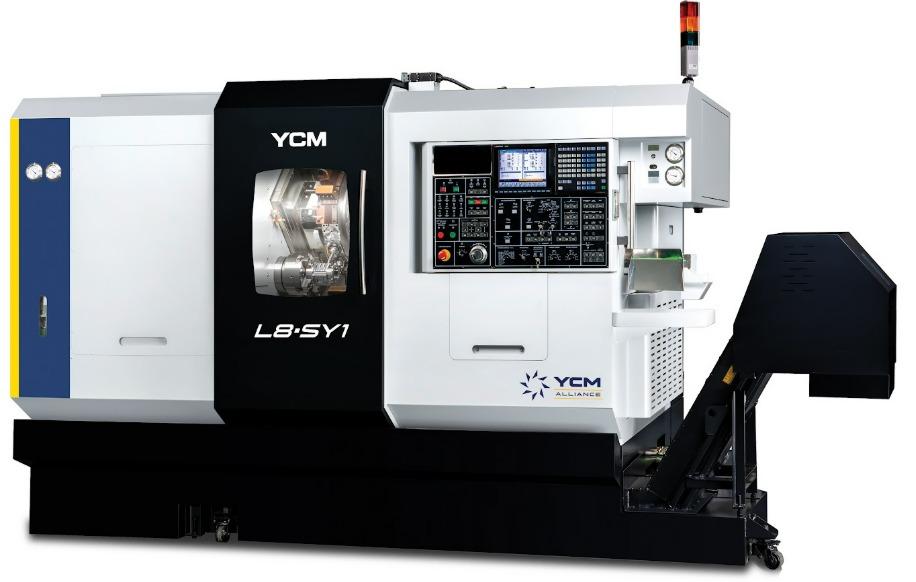
YCM’s L Series turning centers use a one-piece base casting with linear roller guideways. The design aims to distribute cutting forces and limit vibration. For heavy-duty applications, YCM’s TC Series offers box-way configurations along with a range of chuck sizes.
Neither guideway style automatically makes a machine the best choice for every job. Travel requirements and cutting demands should shape the selection. Buyers should judge the complete design.
Setup Still Counts
Even a rigid turning center can struggle when the cutting tool extends too far from its holder. Longer overhang increases deflection, especially during boring operations. Keeping the tool as short as practical improves stability without requiring a different machine.
Workpiece support deserves equal attention. A tailstock can support a long shaft, while a steady rest stabilizes sections away from the chuck. Operators should also check chuck engagement and toolholder clamping before assuming the machine itself is causing vibration.
For deep internal features, a damped boring bar with a suitable diameter can help control chatter. Matching the tooling to the job allows the machine’s rigidity to deliver more of its intended benefit.
Rigidity and Heat
Rigidity and thermal stability work toward accurate machining, but they address different problems. A stiff structure resists cutting loads. Thermal stability helps limit dimensional changes as the machine warms up during operation.
A machine may remain rigid yet produce drifting dimensions if heat changes the position of critical components. Conversely, excellent temperature control won’t stop a poorly supported tool from bending under force. Buyers should evaluate both characteristics when comparing precision equipment.
Think Beyond Purchase Price
Before investing in a turning center, bring the supplier a representative part drawing. Discuss its material and the required tolerances. Ask whether the machine can handle the intended cuts without excessive chatter, then review actual cutting results when possible.
Consider how consistently the machine holds dimensions across a complete production run. Reliable service support also affects long-term value. A less expensive machine can become costly when frequent adjustments or unexpected downtime interrupt customer orders.
At YCM Alliance, we help manufacturers compare turning solutions around the work they need to produce. Our focus on precision and dependable machine construction supports buyers who want lasting performance, not just an attractive upfront price.
Build on a Stable Foundation
Understanding why machine rigidity matters in CNC turning helps shops look beyond the appearance of a finished part. Strong machine construction supports steadier results with fewer interruptions. With the right tooling and workpiece support, a rigid machine can make demanding jobs easier to manage.
When you’re comparing equipment, look closely at how the entire machine supports the cut. YCM Alliance can help you evaluate turning centers for your applications and choose a solution that supports dependable production as your shop grows.